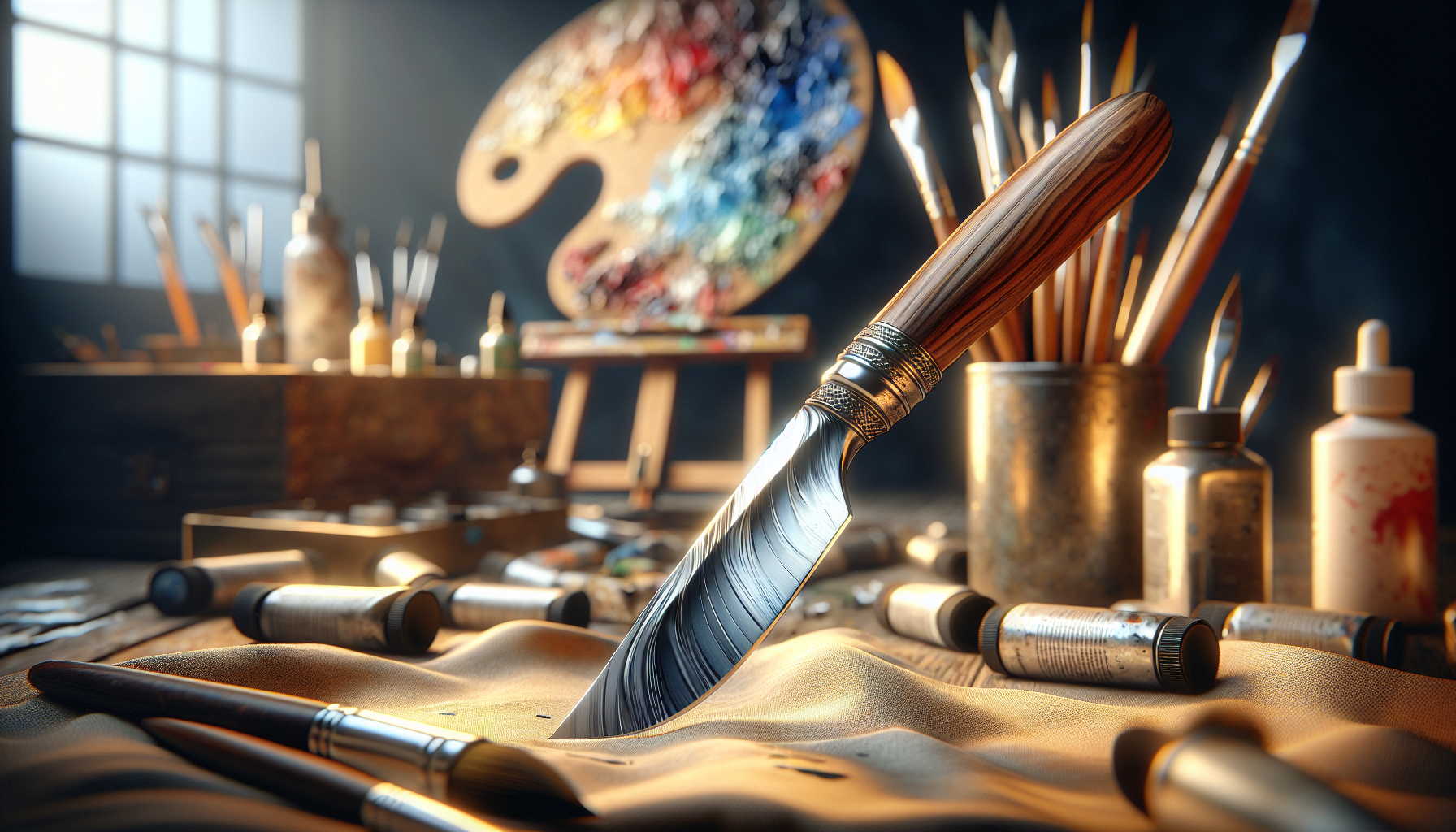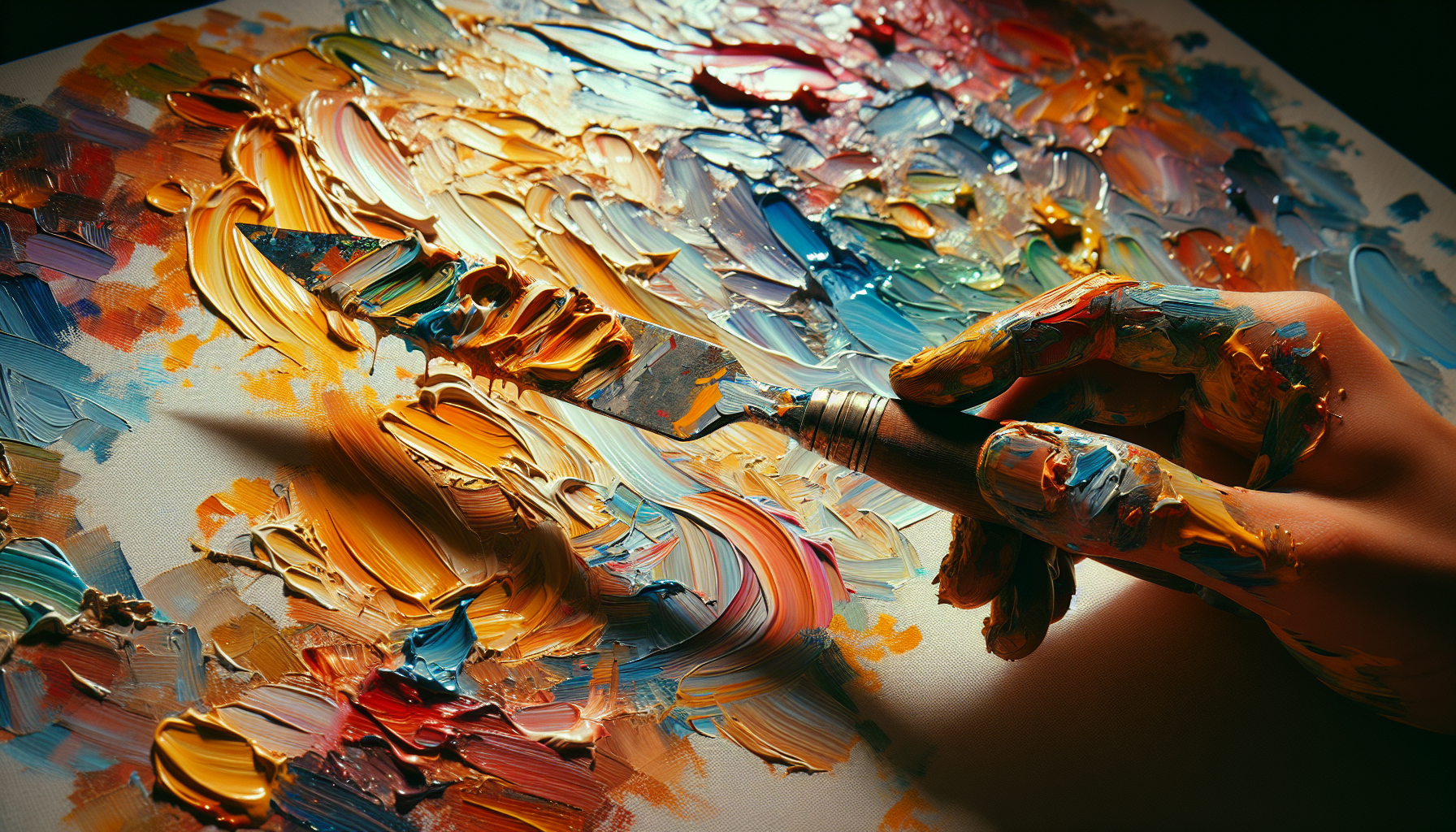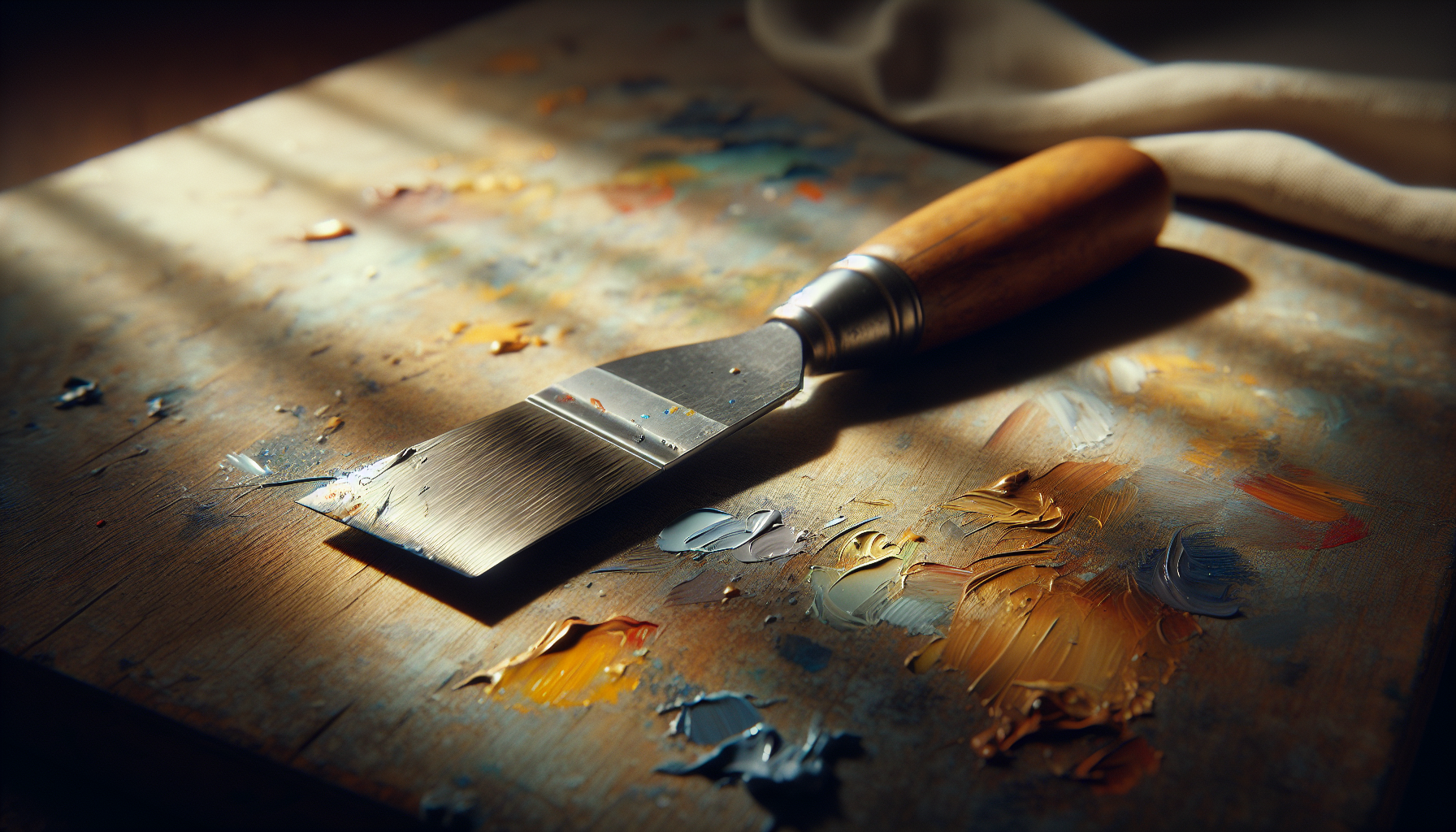
?Which palette knife shape will best match your painting objectives and techniques?
What Are The Different Shapes Of Palette Knives And What Are They Used For?
You will find that palette knives are more than mixing tools; they are paint applicators, texture creators, and expressive extensions of your hand. This article describes the different palette knife shapes, how each shape behaves, and practical guidance for selecting and using them in oil and acrylic painting.
Why Shape Matters
Palette knife shape determines how paint transfers to the canvas, the types of marks you can make, and how comfortable the knife is during extended use. You will notice that shape, blade flexibility, and handle ergonomics work together to influence control, pressure, and stroke variety.
Basic Components and Terminology
Understanding basic terms will help you choose the right tool and interpret technique advice. Blade length, tip shape, blade width, flex (stiff vs. flexible), and whether the blade is offset from the handle are key attributes you will consider.
How Shapes Affect Performance
Every shape modifies the angle, contact area, and edge behavior against the paint surface. This influences whether you can make fine lines, broad swaths, textured impasto, or smooth pulls. You will want to match shape to the mark you aim to produce.
Common Palette Knife Shapes: Overview Table
The table below presents the most common shapes you will encounter, with concise descriptions and their typical uses. Use this as a quick reference when deciding which knives to buy or use in a session.
| Shape Name | Description | Typical Uses | Best For |
|---|---|---|---|
| Classic / Straight (Rounded tip) | Long, slightly flexible blade with rounded tip and straight edge | Mixing, smoothing, spreading, light scoring | Mixing paint, smoothing glazes, subtle texture |
| Diamond / Teardrop (Pointed tip) | Narrow, flexible diamond or teardrop-shaped blade with a very pointed tip | Fine lines, scraping, delicate application, controlled strokes | Detailing, scraping highlights, thin ribbons of paint |
| Offset (Cranked) | Blade set at an angle (cranked) so your fingers don’t touch paint | Applying paint close to canvas without hand contact, building impasto | Thick paint application, heavy texture |
| Straight Spatula / Rectangular | Broad rectangular blade with square or slightly rounded corners | Spreading large areas of paint, scraping, making flat-edged marks | Backgrounds, palette cleaning, large impasto planes |
| Pointed Trowel (Triangular tip) | Stiff triangular blade that tapers to a point | Heavy impasto, edged marks, sculptural textures | Strong directional strokes, cutting edges |
| Rounded Trowel / Spoon | Shorter, thicker, often rounded spoon-like blade | Sculpting thick paint, pressing and pulling, smoothing convex shapes | Sculptural impasto, controlled smoothing |
| Thin Long Knife | Very narrow, long blade often with a tapered point | Drawing thin lines, scoring, lifting and glazing | Linear detail, fine scraping |
| Flexible Stiffness Variants | Same shapes in different flex levels (very flexible to very stiff) | Flexibility affects paint release, control, and pressure needed | Varies by technique and paint viscosity |
The Classic or Straight Palette Knife
The classic or straight palette knife typically has a rounded tip and a long, flexible blade. You will use it for mixing colors on the palette, transferring paint, and creating smooth strokes on the canvas. Because of its flexibility and blade length, it is often the first knife artists learn to use.
Typical Uses and Techniques
You will use the classic knife most often to:
- Mix and blend paint on the palette without trapping air.
- Spread thin, even layers of color or underpainting.
- Scrape back paint to reveal lower layers for highlights or corrections.
Apply lighter pressure for thin spreads and firmer pressure for scraping. The rounded tip reduces accidental scratching when you work close to the canvas.
The Diamond or Teardrop-Shaped Painting Knife
The diamond or teardrop-shaped painting knife usually features a pointed tip and broader midsection. You will find it excellent for controlled, crisp strokes and for producing narrow ribbons of paint. The pointed end is useful for drawing fine lines, while the wider body deposits more paint.
Typical Uses and Techniques
You will use this shape to:
- Pull thin, tapered strokes that can mimic brush marks.
- Add fine highlights and accents with the pointed tip.
- Scrape into wet paint and lift paint to create negative shapes.
Because of its pointed tip, you can manipulate direction precisely; keep an eye on the paint load to avoid accidental blobs.
The Offset Palette Knife (Cranked Blade)
Offset knives have blades set at a right angle or “crank” so your knuckles and fingers don’t touch the canvas. You will appreciate this design when applying thick paint or working across wet passages. The offset knife allows you to apply force without smearing your palm across the painting.
Typical Uses and Techniques
Use offset knives when you need to:
- Lay down heavy impasto without touching underlying paint.
- Build layered textures without disturbing adjacent strokes.
- Sweep palette-clean techniques without hand interference.
You will find offset knives especially effective for broad, confident strokes and when you require a clean workspace between knife and painting surface.
Rectangular and Spatula-Style Knives
Rectangular and spatula-style knives have broader blades with squared or slightly rounded ends. These knives behave more like small trowels. You will use them for covering large areas and forming flat, planar textures.
Typical Uses and Techniques
You will use these knives to:
- Spread base colors or ground layers over large surfaces.
- Create flat-edged shapes and architectural forms.
- Scrape paint into straight-edged effects or to remove areas cleanly.
The flat edge makes these knives ideal for working with palette knives as sculptural tools; combine with stiff paint for carving and flattening surfaces.
Pointed Trowel and Triangular Blades
Pointed trowel or triangular blades are stiffer and taper to a point; they work like miniature masonry trowels. You will use them to achieve directional, sculptural marks and strong edges. Their stiffness gives you leverage for pushing and pulling dense paint.
Typical Uses and Techniques
They are suited for:
- Creating ridged textures and edged strokes.
- Building impasto where you want defined peaks and troughs.
- Cutting precise lines or partitions in thick paint.
When using these blades, you will often press and pivot to let the edge form carved or chiseled marks.
Spoon or Rounded Trowel Knives
Spoon-shaped knives are shorter and thicker with a rounded profile that resembles a small spoon. You will select these for sculptural manipulation of very thick paint and for smoothing curved surfaces.
Typical Uses and Techniques
You will use them to:
- Sculpt peaks and soft-rounded ridges in impasto work.
- Smooth and shape mounds of paint to create three-dimensional effects.
- Gently press paint into place for controlled contouring.
Their ergonomic shape gives you more tactile feedback when shaping paint volumes.
Thin, Long, and Precision Knives
Thin, long knives are specialized for fine linear work, scoring, and subtle scraping. You will use them for delicate tasks rather than broad coverage. They can produce hairline scratches, thin ribbons, and precise edge details.
Typical Uses and Techniques
You will use these knives to:
- Draw hairlines and very narrow marks across dry or slightly tacky paint.
- Scrape off thin layers for glazing effects or to create linear highlights.
- Glide through wet paint to form consistent grooves.
These knives are not ideal for heavy impasto; they are precision instruments for finishing and detailing.
Flexibility and Material: How Blade Stiffness Affects Use
Blade flexibility directly affects the way paint is applied and released. You will make different choices depending on paint viscosity and the mark you want to create.
Flexible Blades
Flexible blades bend easily and give a softer contact with paint. You will favor flexible blades when you want:
- Smooth spreads and blends.
- Thin, ribbon-like paint deposits.
- Gentle scraping and mixing without aggressive removal.
They are excellent with softer acrylics and well-mediumed oils.
Stiff Blades
Stiff blades resist bending and allow you to push and sculpt dense paint. You will use them when you require:
- Strong peaks and architectural impasto.
- Decisive textural marks and carving.
- Control when applying thick, heavy-bodied paint.
Stiffer blades work best with heavy-body oils and thicker acrylics or pastes.
Blade Materials and Handle Types
Common blade materials include stainless steel and carbon steel; handles are usually wood, plastic, or composite. You will select materials based on durability, maintenance, and budget.
Stainless vs. Carbon Steel
Stainless steel resists corrosion and requires less maintenance; it is ideal for acrylics and mixed media. Carbon steel can be sharper and slightly more responsive but may rust if not dried and oiled properly. Choose stainless for low maintenance and carbon for specific tactile preferences.
Handle Ergonomics
Handle shape and balance influence fatigue and control. You will prefer shorter handles for precision work and longer handles for two-handed control during big strokes. Choose shapes that fit your grip comfortably and provide a stable balance point.

Choosing a Palette Knife Set: What to Look For
When assembling a kit, consider versatility across shapes, sizes, and flex levels. You will benefit from a modest set of 4–8 knives that cover common needs.
Recommended Starter Set
A balanced starter set you will find useful:
- One long, flexible straight knife for mixing and smoothing.
- One teardrop/diamond-shaped knife for detail and thin strokes.
- One offset knife for heavy application without hand interference.
- One broad rectangular or spatula knife for spreading and scraping.
- One stiff pointed trowel for strong textures.
This selection will cover mixing, layering, detailing, and sculptural work.
Techniques Specific to Each Shape
Each knife shape offers characteristic marks. Below are practical techniques you will apply with particular knife types.
Mixing and Blending (Classic Knife)
Use the classic straight knife to pick up color, fold it against another color, and press or scrape off the mixed result. You will keep the blade nearly flat on the palette to avoid air entrapment and to control consistency.
Tapered Ribbons and Lines (Diamond/Teardrop)
Load the knife with a thin bead of paint, then draw it across the surface with a slight twist to create tapered ribbons. You will adjust angle and pressure to vary the line width and edge softness.
Thick Impasto (Offset and Stiff Trowel)
Load the knife fully and press forward with a consistent motion, lifting to leave a ridge or mound. You will use the offset knife to place thick color without dragging your hand through wet passages.
Flat Planes and Edges (Rectangular/Spatula)
Use the flat edge at a low angle and pull or push across the canvas to form broad, planar strokes. You will create architectural edges by cutting the paint back while it is wet.
Sculpting and Contouring (Spoon or Rounded)
Press and shift to sculpt rounded shapes and soften peaks. You will work incrementally, building volume and then smoothing transitions with a lighter touch.
Fine Scoring and Sgraffito (Thin Long Knife)
Drag the tip through semi-wet paint to score lines and reveal underlayers. You will use sgraffito to create linear texture and to add precise accents to wet passages.
Common Mistakes and How You Can Avoid Them
Even experienced artists have recurring issues; you can prevent them with a few mindful habits.
- Overloading the knife: Load modest amounts and practice release control to avoid blobs.
- Wrong blade flex: Match flex to paint thickness; too flexible a blade will flop through heavy body paint.
- Pressing at awkward angles: Use offset blades for thick work to avoid smudging existing paint.
- Neglecting cleaning: Dried paint ruins edge behavior; clean thoroughly after each session.
Paint Types and Knife Compatibility
Not all paints behave the same way; you will tailor knife shape and flex to the medium.
Oils
Oils offer long working time and high impasto potential. Stiff blades and trowel shapes pair well with heavy-body oils for sculptural effects. Flexible knives are suitable for thin layers and glazing when you thin oils with safe mediums.
Acrylics
Acrylics dry faster; heavy-body acrylics can mimic oils for knife work. You will prefer slightly stiffer blades for thick acrylics, with the option to retard drying time using retarders or open mediums.
Watercolor and Inks
Palette knives are rarely used directly with watercolor or inks on paper. However, you may use knives to mix and prepare gouache or to manipulate paste-like mediums. Consider brushes and pens for water-based transparent techniques.
Cleaning, Care, and Storage
Proper care prolongs tool life and preserves performance. You will adopt consistent cleaning routines.
Cleaning Steps
- Remove excess paint on a rag or palette paper first.
- For acrylics, rinse immediately with water; use soapy water and a brush if needed.
- For oils, wipe, then use solvent or mineral spirits; follow with soap and water for hand and tool safety.
- Dry thoroughly and apply a thin coat of oil to carbon steel blades to inhibit rust.
Storage
Store knives in a dry, protected container where blades do not contact each other to avoid dulling or scratching. You will prefer blade guards or a dedicated roll for transport.
Safety Considerations
Some palette knives have sharp edges and pointed tips. You will handle them like small hand tools: keep blades away from skin during cleaning and storage, and avoid carrying multiple knives loosely.
How to Customize and Modify Knives
You can reshape or modify knives for specific needs. You will do so carefully to avoid compromising blade integrity.
- Trim rounded tips with a metal file to make them pointier (stainless blades require appropriate tools).
- Sand wooden handles lightly and apply grip tape for improved ergonomics.
- Use a grinder or professional sharpening service only if you understand metalworking risks.
Exercises to Improve Knife Skills
Practical exercises accelerate proficiency. You will benefit from regimented practice focusing on mark control, consistency, and layering.
- Line Control Drill: Create 20 parallel ribbons of paint using a teardrop knife, varying pressure.
- Impasto Building: Create a low-relief study of a simple subject (e.g., a bowl of fruit) focusing on volume.
- Texture Repetition: Make a set of repeating ridges and evaluate uniformity with different knives.
- Scraping and Reveal: Apply three color layers and practice sgraffito to expose underlying hues cleanly.
Troubleshooting Common Issues
If paint slips or marks are inconsistent, consider these fixes.
- Blob formation: Reduce paint load or use a knife with a narrower surface area.
- Loss of texture: Use stiffer blade or thicken paint with medium or paste.
- Uneven release: Clean the blade edge thoroughly and check for burrs; a smoothed edge improves release.
Professional Uses Beyond Painting
You may use palette knives in non-traditional ways: mixed-media collage adhesion, spreading gesso or ground layers, and even for printmaking textures. Their ability to manipulate thick materials makes them versatile studio tools.
Selecting by Budget and Quality
You will balance cost with performance. High-quality stainless-steel blades with laminated handles offer durability and consistent flex. Budget knives may work well for beginners but can have inconsistent edges and flex.
Buying Tips
- Test feel when possible: hold the knife to assess balance.
- Choose stainless steel for low maintenance unless you prefer carbon steel.
- Look for reputable makers with consistent reviews for edge quality and blade spring.
Final Recommendations
As you refine your practice, assemble a compact, purposeful set covering flexible, stiff, and offset shapes. Practice controlled loading and release, and pay attention to cleaning and storage to preserve blade behavior. Matching tool shape to technique will improve efficiency and expand your expressive capabilities.
Summary
You have learned the functional differences between the major palette knife shapes and how they influence mark-making. Each shape—classic straight, diamond/teardrop, offset, rectangular, pointed trowel, spoon, and thin long knives—serves a distinct set of tasks from mixing and smoothing to sculptural impasto and fine scoring. By combining the appropriate shape with the correct flex, material, and technique, you will achieve greater control, consistency, and creative expression in your painting work.
If you want, you can tell me what medium you primarily work in and the kinds of marks you want to make, and I will recommend a specific set of knife shapes, sizes, and flex levels tailored to your practice.