Which brush will give you the control and responsiveness required to render the smallest hairs, glints in an eye, or crisp architectural edges in your acrylic and oil paintings?
The Best Paint Brushes For Fine Detail Work in Acrylic And Oil Painting
This article helps you identify the brushes that deliver the precision and consistency required for fine detail work in both acrylic and oil media. You will learn how brush anatomy, hair type, shape, size, and handling practice influence precision, durability, and the way paint behaves on the surface.
Why Choosing the Right Brush Matters for Fine Detail
Selecting the correct brush affects line quality, paint economy, and the speed with which you can execute a detail. You will find that a small change in tip shape or hair stiffness can dramatically change how a single stroke reads on the canvas.
How brush characteristics influence detail work
Brush tip shape determines stroke profile; hair type and stiffness determine spring and paint load; size determines the minimum mark width you can make reliably. You will need to balance these factors for the material you are using—acrylic or oil—because drying rate and viscosity differ.
Brush Anatomy: What to Consider
Understanding the basic parts of a brush helps you evaluate its suitability for precise work. You will recognize that the ferrule, handle, and bristles each contribute to performance and longevity.
Ferrule, handle, and bristle—roles explained
The ferrule secures bristles and affects balance; the handle length influences control and posture; bristles determine mark-making properties. You should inspect the ferrule for tightness and the handle for comfort before committing to a brand or model.
Tip, belly, and spine: their influence on marks
The tip produces the finest marks, the belly controls paint capacity, and the spine returns the brush to shape and controls long strokes. You will quickly notice that a well-defined spine makes controlled thin lines and consistent dots easier to produce.
Bristle Materials: Natural vs. Synthetic
Bristle material largely determines spring, paint capacity, cost, and ethical considerations. You will want to consider both performance and maintenance requirements when choosing between natural hairs like sable and synthetic fibers like Taklon.
Natural hairs: characteristics and uses
Natural hairs—Kolinsky sable, squirrel, mongoose, and hog bristle—provide exceptional spring, point retention, and paint pickup. You will rely on Kolinsky sable for the finest, most responsive tips, especially in watercolor and detail oil work, while hog bristle excels with thicker oils and impasto.
Synthetic fibers: Taklon, nylon, blends
Modern synthetics mimic many properties of natural hair, often at lower cost and with easier cleaning. You will find Taklon and nylon blends that hold a fine point and withstand acrylics’ harsh cleaners more readily than some natural hairs.
Ethical and allergy considerations
Synthetic options eliminate concerns about animal products and can reduce allergic reactions for some users. You will find that high-quality synthetics provide consistent performance while aligning with ethical preferences.
Key Brush Shapes for Fine Detail
Certain brush shapes are inherently better for small, controlled marks. You will want to add a selection of these shapes to your kit to address different tasks.
Round: the most versatile detail brush
Round brushes taper to a point and allow you to vary line width by pressure and angle. You will use rounds for everything from small details and dots to controlled lines and glazes.
Liner/Script/Rigger: for long, continuous lines
Liner or rigger brushes have long slender filaments and are designed for unbroken lines, such as branches, hair strands, and delicate highlights. You will appreciate their paint-holding capacity and line continuity when painting extended strokes without reloading.
Spotter: for extremely small marks
Spotter brushes have very short bristles and extremely precise tips intended for micro-details, such as the catch in a pupil or tiny reflections. You will rely on a spotter when you need absolute control and minimal paint spread.
Filbert and dagger: controlled shape variation
Filbert brushes offer a rounded edge suitable for soft blending alongside precise marks, while dagger-shaped brushes provide angled edges for tapered strokes. You will use these shapes where small blended forms or angled accents are needed.
Fan and round-short: specialty uses
Fans are seldom used for the tiniest details but are useful for subtle texture or blending small areas; short rounds provide superior control for short, confident strokes. You will add them to your set for texture modulation and refined blending.
Recommended Brush Sizes for Detail
Size numbers are relative between brands but generally correspond to filament width and tip control. You will need a range of sizes—from ultra-fine 000 to compact size 2 or 4—depending on your subject.
Size guide and typical uses
Size 000–0: micro-detail such as eyelashes, tiny highlights, and minute textures. Sizes 1–3: small features, fine linework, and controlled strokes. Sizes 4–6: slightly larger detail areas, small foreground elements, and tight blending. You will match brush size to the smallest mark you intend to make while allowing for some paint pickup.
Comparing Hair Types: Performance Table
This table summarizes common hair types and how they perform for fine detail in both acrylic and oil.
| Hair Type | Spring/Point | Paint Load | Best For | Cleaning/Durability |
|---|---|---|---|---|
| Kolinsky Sable | Excellent | High | Ultra-fine lines, glazing, oil and watercolor detail | Requires gentle cleaning; high care |
| Sable Blend (synthetic/Kolinsky) | Very good | Good | Detail in acrylic and oil, lower cost | Easier care than pure sable |
| Taklon (synthetic) | Good | Moderate | Acrylic detail, affordable sable alternative | Easy to clean; durable |
| Squirrel | Soft | High (for washes) | Soft glazes and delicate blending | Needs careful handling; less point |
| Mongoose | Good | Moderate | Detail and small washes for oil | Fairly durable; good point |
| Hog Bristle | Stiff | High | Textured strokes, impasto in oil | Tough; easy cleaning with solvents |
You will use this table as a quick reference when selecting brushes for specific techniques and media.
Best Brushes by Task: Quick Reference Table
This table helps you match a brush to a common fine-detail task in acrylic or oil.
| Task | Recommended Shape | Suggested Sizes | Recommended Hair |
|---|---|---|---|
| Eyelashes and hair strands | Liner/Script | 00–2 | Kolinsky or synthetic sable |
| Highlights and catchlights | Spotter/Round short | 000–1 | Kolinsky or Taklon |
| Fine edgework / architectural detail | Round (short or long) | 0–3 | Synthetic or Kolinsky |
| Tiny dots and stippling | Spotter | 000–0 | Synthetic or Kolinsky |
| Long unbroken lines (branches, rigging) | Rigger | 1–4 | Kolinsky, mongoose, or synthetic rigger |
| Small blending and soft transitions | Filbert (small) | 2–6 | Sable blend or soft naturals |
You will consult this table to choose brushes for particular micro-tasks, balancing tip control and paint capacity.
Specific Brush Recommendations and Brands
Some brush models stand out for fine detail by combining construction quality, hair selection, and value. You will want to sample a few reliable lines to find the feel that suits your hand.
High-end options (Kolinsky sable and premium blends)
Kolinsky sable brushes from recognized manufacturers give unparalleled point, spring, and paint release. You will consider brands like Winsor & Newton Series 7, Raphael 8404, and Escoda Reserva for top-tier results in the smallest sizes.
Mid-range, high value (synthetic blends and mongoose)
Mid-range offerings often combine synthetic filaments or partial sable blends to deliver excellent performance at lower cost. You will examine brands such as Princeton Series 4050 (Neptune or Sterling), Da Vinci Maestro, and Rosemary & Co for solid durability and good point retention.
Budget-friendly synthetics
If you need multiple micro-brushes for experimental or rapid work, budget synthetics offer acceptable performance and are easy to replace. You will look at brands like Winsor & Newton Cotman, Princeton Select, and inexpensive Taklon options for dependable affordability.
Specialist brands for oil detail
For oil painting, you may prefer brushes with longer spines and slightly stiffer hairs. You will consider Rosemary & Co, Da Vinci, and Escoda for small hog-bristle or mixed-hair options designed to handle oil mediums and solvents.
Detailed Product Table: Models to Consider
This table lists specific models, typical sizes for detail, and a brief rationale.
| Brand / Model | Best Sizes for Detail | Hair Type | Why Choose |
|---|---|---|---|
| Winsor & Newton Series 7 | 000–2 | Kolinsky sable | Superb point and spring; legendary for precision |
| Raphael 8404 | 0–3 | Kolinsky sable | Excellent balance and reliable tip retention |
| Escoda Reserva | 0–4 | Kolinsky/Sable blend | High quality, good durability in oils and acrylics |
| Princeton Catalyst/Deco | 0–2 | Taklon-synthetic | Affordable; good for acrylic and mixed media |
| Da Vinci Maestro | 000–2 | Kolinsky/sable blend | Rich point and responsive belly |
| Rosemary & Co Spotter | 000–1 | Synthetic or sable | Robust and consistent for tiny highlights |
| Princeton Select | 000–3 | Taklon | Great starter set for acrylic detail |
| Isabey 6227 | 0–2 | Kolinsky | High-end European manufacture; excellent spring |
You will use this list to compare options by feel, price, and intended medium.
Preparing Brushes for Acrylic vs. Oil
Acrylic and oil paints behave differently, and you should prepare brushes accordingly to maintain tip and control. You will adopt different thinning agents and cleaning routines depending on your medium.
Preparing brushes for acrylic detail work
Acrylic dries quickly and can shorten usable working time, so you will thin paint slightly with a medium or retarders and keep a spray bottle or stay-wet palette handy. Synthetic brushes perform well with acrylics because they are resistant to tough cleaners and retain shape with less maintenance.
Preparing brushes for oil detail work
Oil allows longer working time and requires solvents or oil-based cleaners for deep cleaning. You will use Kolinsky or mongoose brushes for ultra-fine control, and you will condition brushes with a light amount of linseed or safflower oil to maintain the spine when using solvents regularly.
Thinning and Mediums: Maintaining Brush Performance
How you thin your paint and which medium you use change the way a brush delivers paint and holds a point. You will choose mediums to match the level of flow and drying time required for your detail tasks.
Mediums for acrylic detail
Use slow-drying acrylic mediums and flow improvers to extend working time and increase surface tension control. You will avoid over-thinning with water, since that can compromise pigment saturation and brush tip capability.
Mediums for oil detail
Traditional oil mediums—linseed oil, stand oil, and alkyds—affect flow and drying. You will select lighter-bodied oils or alkyd mediums for fine detail when you need a responsive tip and faster tack-free time.
Cleaning and Care: Extending Brush Life
Proper cleaning and conditioning extend the life and maintain the precision of your brushes. You will adopt daily and deeper maintenance routines tailored to acrylic and oil use.
Daily cleaning for acrylic brushes
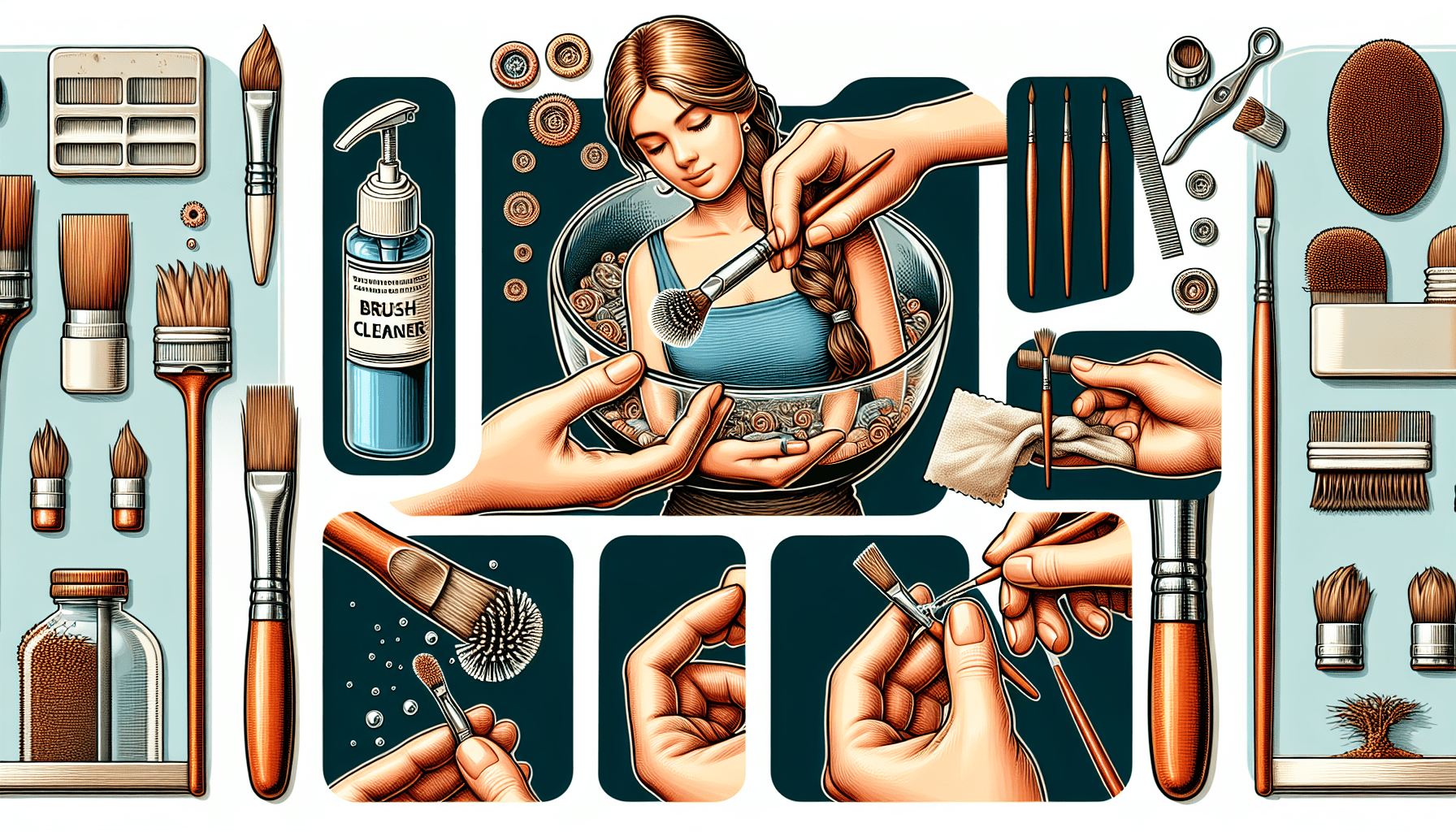
Rinse thoroughly after each session and use a mild soap or brush cleaner to remove acrylic residues before they harden. You will reshape the tip with your fingers and store brushes horizontally or tip-up to prevent deformation.
Daily cleaning for oil brushes
Remove excess oil with a rag, then clean with solvent or an eco-friendly substitute followed by soap and water. You will avoid soaking brushes in solvent for long periods and will periodically condition natural-hair brushes with a gentle oil or conditioner.
Deep cleaning and reshape technique
Occasionally use a dedicated brush cleaner or restorative soap to remove embedded pigment and to realign the ferrule area. You will rinse until water runs clear, reshape the point, and allow brushes to dry horizontally to maintain their profile.
Storage and Handling Best Practices
How you store and handle your brushes matters for tip maintenance and hygiene. You will adopt storage solutions that protect points and allow airflow to prevent mildew.
Short-term and long-term storage
Short-term: keep brushes tip-up in a jar to prevent contact with other tools; long-term: use protective sleeves or roll in acid-free paper. You will never store brushes tip-down while wet, as that can trap moisture in the ferrule and loosen glues.
Transport and fieldwork considerations
For fieldwork, carry brushes in a rigid case with individual slots or sleeves that protect the tips. You will ensure brushes remain dry or wrapped in a cloth moistened with a little solvent or water-retardant for acrylics to avoid accidental tip damage.
Practical Techniques for Precise Stroke-Making
Control comes from a combination of brush choice, technique, and posture. You will practice methods that increase repeatability and accuracy.
Grip, posture, and hand positioning
Hold for precision closer to the ferrule to gain control; hold further back for looser, gestural lines. You will experiment with finger anchor points and small rotational movements to produce consistent fine strokes.
Loading and reloading for consistent marks
Load the belly, not just the tip; for liners and riggers, keep a small reservoir of paint near the tip to maintain unbroken lines. You will practice single-stroke loading to reduce the need to reload during continuous linework.
Using pressure and angle to alter line width
Light pressure gives hairline marks; heavier pressure widens the stroke; angle changes alter the stroke’s edge sharpness. You will rehearse stroke pressure and angle on scrap surfaces to calibrate the response of each brush.
Troubleshooting Common Issues
Even experienced painters encounter issues that impede fine detail. You will find straightforward solutions for common problems such as splaying, inconsistent lines, and dried paint near the ferrule.
Splayed tips and how to fix them
Splayed tips result from excessive pressure, improper cleaning, or storage. You will gently reshape with warm water and soap for natural hair, or use a brush restorer and careful fingertip shaping for stubborn cases.
Inconsistent paint flow and bleeding
Inconsistent flow typically originates from incorrect thinning or a damaged tip. You will check paint viscosity, the tip integrity, and the surface absorbency; adjust medium or choose a different brush if necessary.
Ferrule looseness and shedding
Loose ferrules or shedding indicate construction or wear issues and can be dangerous for detailed work. You will retire or repair seriously damaged brushes and maintain a rotation of backup brushes for precision work.
Building a Fine Detail Brush Kit
Assembling a kit tailored to your style and subject matter saves time and increases effectiveness. You will choose a curated set of shapes and sizes rather than a large, unfocused collection.
Starter kit for fine detail (recommended contents)
Include: 1–2 Kolinsky rounds (sizes 000–1), 1 rigger (size 1–3), 1 spotter (000–0), 1 synthetic round (0–2), and 1 small filbert (2–4). You will add reserve synthetics for acrylics and an additional Kolinsky for oil highlights.
Expanding the kit for portraiture, florals, and architecture
Portraiture: more spotters and rounds for eyelashes and teeth; florals: short filberts and dagger brushes for petal edges; architecture: longer rounds and rigger brushes for clean lines. You will test before adding expensive items to ensure they match your working technique.
Cost vs. Value: How Much Should You Spend?
Price correlates with hair origin, construction quality, and brand reputation, but not always with your personal needs. You will balance cost against frequency of use and the consequences of a brush failing mid-detail session.
When to invest in premium Kolinsky
If you regularly produce small-scale work, fine portraiture, or sell detail-intensive pieces, investing in Kolinsky makes sense. You will experience improved efficiency and fewer brush changes compared to synthetics at this level of work.
When synthetics are the smart choice
If you primarily work in acrylics, need many brushes for experimentation, or prioritize ethical materials, synthetics offer better value. You will save on maintenance and replacement costs while still achieving very fine lines with modern synthetics.
Final Tips for Mastering Fine Detail Work
Successful fine detail painting combines the right tools, consistent routines, and deliberate practice. You will refine your technique, protect your tools, and curate a kit that supports the specific mark-making you need.
Practice drills to improve control
Practice single-stroke lines, consistent dots, and short hatch marks at varying pressures and speeds to develop muscle memory. You will schedule short daily exercises with a range of brushes to keep your hand steady and responsive.
Keep a small maintenance ritual
End each session with a brief cleaning, tip reshaping, and safe storage to prevent problems. You will find that small rituals save time and money in the long term while keeping performance consistent.
Test new brushes before committing to a project
When you buy a new brush, test it on scrap paper or canvas with the same paint and medium you will use in your project. You will adjust your technique and confirm suitability before relying on the new brush for critical details.
Summary and Next Steps
Selecting the best brushes for fine detail requires attention to hair type, shape, size, and media compatibility, combined with good cleaning and technique. You will develop a personal shortlist from the recommended models, practice specific drills, and maintain an appropriate cleaning and storage routine to get the most from every precision brush in your kit.
If you would like, you can tell me which subjects you paint most often (portraits, miniatures, still lifes, architecture), and I will suggest an optimized starter kit and a short practice routine tailored to your needs.