Have you ever tested marbling on fabric and wondered why some paints behave like they belong while others refuse to cooperate?
Marbling Paint On Fabric: What Works And What Doesn’t
This article gives you a detailed, practical guide to what works and what doesn’t when marbling paint on fabric. You will find method-specific instructions, material choices, troubleshooting advice, and testing protocols so you can achieve durable, attractive results.
Overview of Fabric Marbling
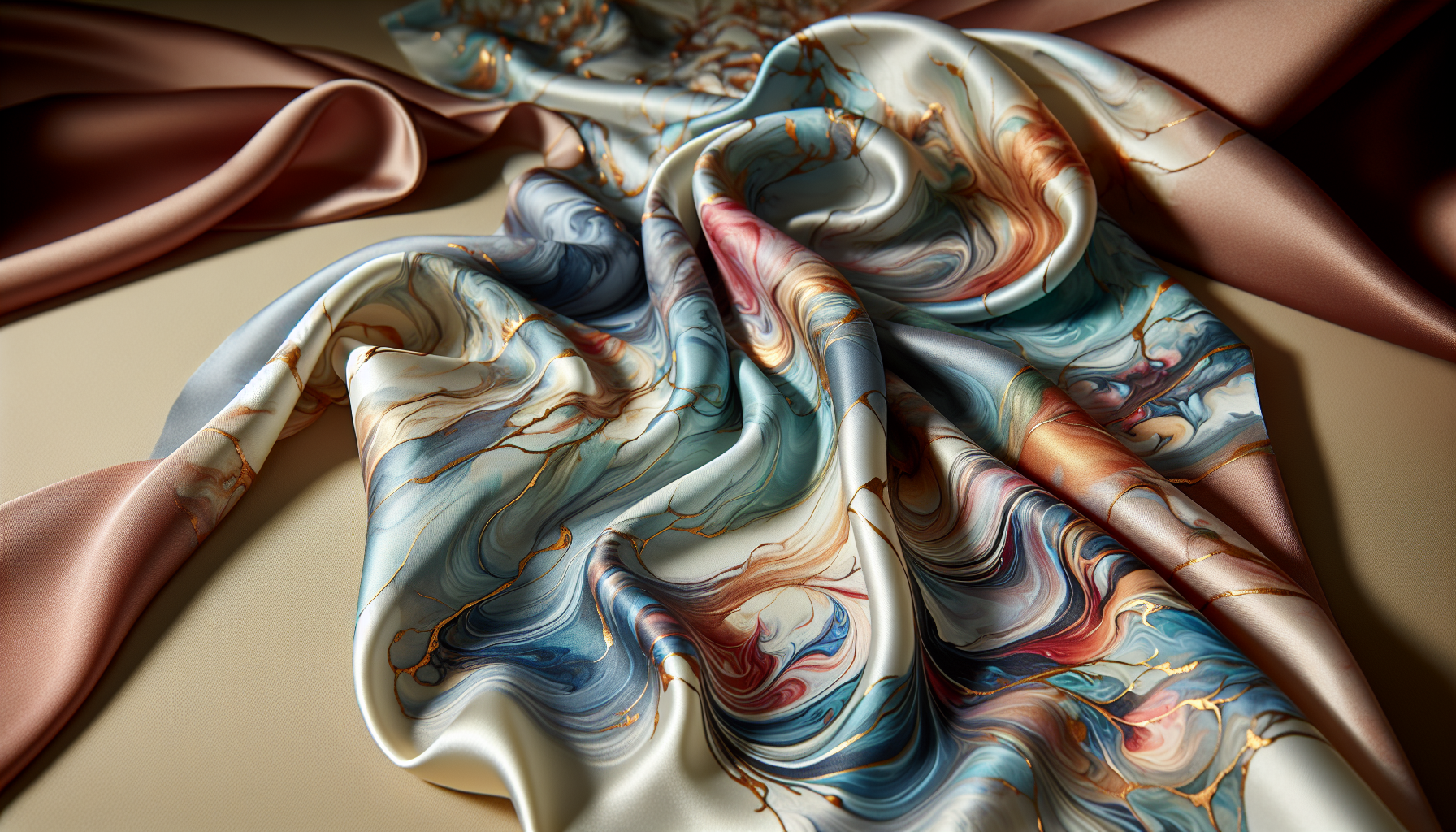
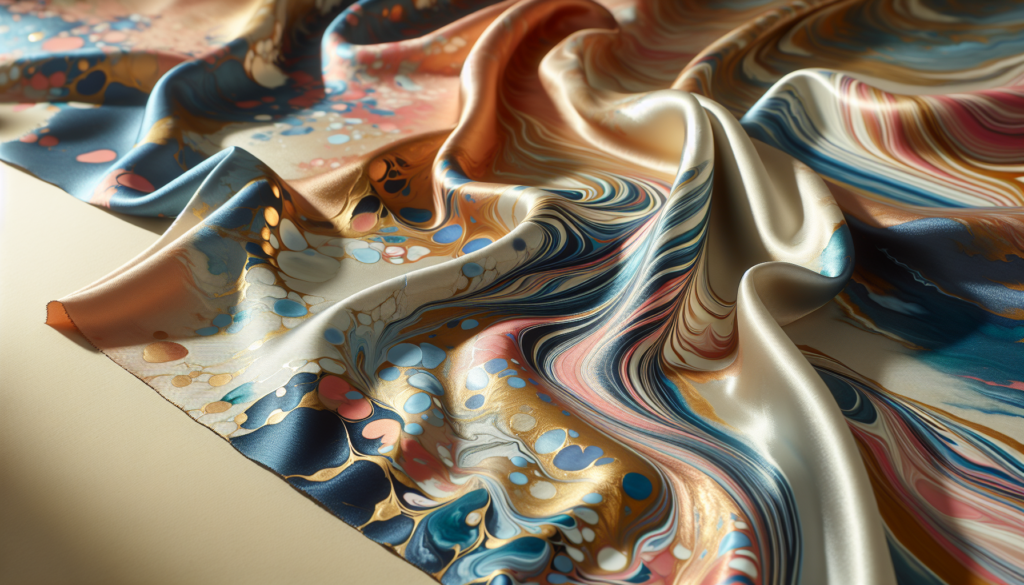
Fabric marbling is a surface decoration technique where pigments or paints are floated and manipulated on a liquid medium, then transferred to fabric. The process combines chemistry, surface tension control, and textile preparation; success depends on choosing compatible paints, fabrics, and fixatives.
Why material compatibility matters
You need the right combination of paint chemistry and fabric fiber to obtain good adhesion, colorfastness, and hand (the feel of the fabric). Incompatible choices lead to weak adhesion, dye migration, poor washfastness, or stiffened fabric.
The difference between marbling and printing
Marbling relies on floating colors on a liquid “size” or carrier and then laying fabric onto the surface to pick up the pattern, while printing typically uses direct contact or screens to apply paint. Because marbling transfers a thin layer of pigment and binder, your choice of binder and fixation method is critical.
Major Marbling Methods and How They Differ
There are several primary marbling approaches you will encounter: aqueous (size) marbling, oil-based marbling, and direct acrylic/flow marbling. Each has distinct materials, advantages, and limitations.
Aqueous (size) marbling
Aqueous marbling uses a thickened water bath (a “size”) made with agents such as carrageenan or methylcellulose to suspend paint on the surface. You will manipulate paints that are surface-active and formulated to float and spread rather than sink.
Oil-based marbling
Oil marbling uses a floating oil film or oil-based colors on water; paints are usually oil-soluble pigments or specially prepared inks. You will find this method resilient for paper and some fibers, but it requires solvents and a different fixation strategy.
Acrylic and direct application marbling
Acrylic marbling uses acrylic paints modified with flow improvers, retarders, or solvents to float on water or a slightly thickened bath. You will typically add textile medium and plan to heat-set or binder-fix the acrylics for washfastness.
Common Fabric Types and How They Respond
Different textiles interact with marbling paints in distinct ways. Knowing fiber behavior will help you select paints and pre-treatments that improve durability.
Natural fibers: cotton, linen, silk, and wool
Natural fibers readily absorb dyes and water-based paints after appropriate mordanting or pre-treatment. You should expect excellent color uptake on silk and cotton, but finishing methods differ: silk requires gentle handling and steaming or chemical fixatives, while cotton often benefits from soda ash or textile mediums.
Synthetic fibers: polyester, nylon, acrylic
Synthetics have low absorbency and poor affinity for many pigments and binders unless you use disperse dyes, solvent-borne systems, or specialty textile paints. You will usually need heat-transfer methods or paints engineered for synthetics.
Blended fabrics and finishes
Blends and factory-finished fabrics (such as mercerized cotton or pre-coated synthetics) behave unpredictably and often require testing. You must perform sample tests on any unfamiliar fabric before committing to a large project.
Paint Types: What Works Best for Fabric Marbling
Your choice of paint affects floatability, color intensity, binder content, and washfastness. The table below summarizes common paint types and their typical performance on fabric marbling.
| Paint Type | Floatability on Size | Typical Binder | Affinity for Natural Fibers | Washfastness Potential | Notes |
|---|---|---|---|---|---|
| Traditional Marbling Pigment Inks | Excellent | Water-based surfactant binders | Good on natural fibers after fixation | Fair to good if fixed properly | Designed for paper; use on fabric with mordanting |
| Textile Dyes (Reactive, Acid, Disperse) | Poor on unmodified size | Reactive chemistry or acid | Excellent (fiber-specific) | Excellent when properly fixed | React well with fiber but not designed to float; use as post-treatment or with specialized carriers |
| Acrylic Paints (artist-grade) | Poor unless thinned or modified | Acrylic polymer | Moderate with textile medium | Good with heat/chemical fixation | Requires additives to float and stiffens fabric without proper medium |
| Acrylic Textile Paints | Variable | Acrylic polymer + binders | Designed for textiles | Good when heat/oven-fixed | Some formulations accept floating agents; better than standard acrylics |
| Oil-based Paints | Variable on oil baths | Oil or alkyd | Low affinity for hydrophilic fibers | Poor; requires special fixatives/solvents | Use oil marbling technique and post-cleaning |
| Suminagashi Inks (ink sumi) | Excellent on water | Pigment/ink carriers | Moderate | Limited unless fixed | Traditional Japanese method; can work on silk with careful fixation |
How to read the table and select paints
You will use the table to match paint behaviors with your fabric and desired outcome. For most fabric marbling you should prefer paints designed for marbling or textile acrylics that can be modified for floatation.
Preparations Before Marbling
A consistent pre-treatment routine improves adhesion, pattern clarity, and washfastness. Preparation reduces surprises when you transfer the marbled design.
Surface cleaning and scouring
You should wash new fabric to remove factory sizing, oils, or finishes that impede paint absorption. Use a mild detergent and a rinse cycle and avoid fabric softeners.
Mordanting and chemical pre-treatments
Mordants (alum, soda ash) improve dye and pigment binding on many fibers. You will typically apply an alum solution to natural fibers when using pigment-based marbling inks; soda ash is useful when working with reactive dyes or textile paints that require an alkaline environment.
Stretching and support during transfer
You should secure fabric on a frame or stretcher to prevent distortion during transfer. Stable support results in clearer patterns and avoids smearing when lifting the fabric from the size.
Preparing the Marbling Size and Bath
The size provides a medium for paints to float and be manipulated. Proper preparation and viscosity control are essential to predictable results.
Choosing a thickening agent: carrageenan vs methylcellulose
You will commonly use carrageenan (from seaweed) or methylcellulose to thicken water. Carrageenan offers a traditional gel-like body with excellent surface tension; methylcellulose is more stable across temperatures and easier to dissolve. Both require precise hydration times and controlled temperatures.
Making a consistent size
You should measure powder-to-water ratios carefully, hydrate fully, and allow the mixture to rest to eliminate bubbles. Consistency testing (dropping a test pigment to observe spread) helps calibrate the viscosity.
pH and water quality considerations
You will find that pH and water hardness affect paint spread and chemical fixation. Use filtered or distilled water for predictable results; avoid chlorine and high mineral content when possible.
How to Prepare Different Paints for Marbling
Paints often need modification to float correctly on the size and to adhere to fabric upon transfer. You should adjust viscosity and surface behavior without compromising fixation.
Preparing traditional marbling inks and pigments
Marbling inks are formulated to float, so minimal modification is needed. You should thin very thick inks with distilled water and add a few drops of ox gall (or a synthetic surfactant) sparingly to improve spread and color control.
Modifying acrylics for floatation
Acrylics require thinning and surfactants to float; use flow improvers, extenders, or low concentrations of a surfactant. You should avoid over-thinning, which reduces binder content and washfastness; always include textile medium if the acrylic isn’t labeled for fabric.
Working with oil-based paints and solvents
If you select oil marbling, you will prepare oils and pigments for floatation on water. You must handle solvents safely, control ventilation, and accept that fixation often requires solvent evaporation and complete removal of oil residues before further finishing.
Marbling Techniques and Step-by-Step Processes
Different techniques require different manipulations of paint on the size. You should choose a method that matches your paint, fabric, and desired aesthetic.
Dropping and combing (traditional marbling)
You will drop colors onto the size and move them with combs, rakes, or styluses to create patterns like stone, peacock, or nonpareil. Timing is important: the longer paint sits, the more it spreads.
Step-by-step:
- Check size viscosity with a test drop.
- Use droppers to place colors gently on the size surface.
- Allow colors to stabilize, then manipulate with tools.
- Immerse pre-stretched fabric horizontally, then lift cleanly.
Suminagashi (Japanese ink marbling)
You will float ink on plain water and use breath or soft brushes to nudge rings and furrows. Suminagashi typically produces delicate, concentric rings and works well on absorbent fibers like silk.
Step-by-step:
- Use a shallow bath of still water.
- Float sumi inks; use a fine brush to add control.
- Manipulate with breath or feathered tools for concentric patterns.
- Lay fabric gently and allow the pattern to transfer.
Direct acrylic marbling on water
You will create patterns with modified acrylics on a water bath or slightly thickened size and transfer them to fabric prepared with textile medium. This method is more contemporary and often requires heat-setting.
Step-by-step:
- Thin acrylics appropriately and add textile medium.
- Float drops on the bath, controlling spread with surfactant.
- Use tools or air to shape patterns.
- Transfer to fabric and heat-set according to manufacturer instructions.
Fixation and Heat-Setting: What Works
After transfer, you must fix pigments to achieve washfastness and durability. You will choose fixation techniques based on paint chemistry and fiber type.
Heat-setting acrylics and textile paints
Acrylic-based textile paints generally require heat-setting to cure the polymer binder. You should follow manufacturer temperature and time specs and use a barrier (press cloth) to avoid steaming or scorching.
Chemical fixatives for pigments and inks
For pigment-based marbling inks on cellulose fibers, a mordant like alum or a binder such as acrylic medium assists fixation. You will sometimes need to apply a post-treatment bath (mordant or mild fixative) to lock pigments into the fabric matrix.
Steam-fixing for natural fiber dyes
For silk and some protein fibers, steaming after marbling can improve penetration and bonding. You should use gentle steaming protocols and adequate ventilation; too much steam can blur patterns if pigments remain unstable.
Washing, Rinsing, and Post-Treatment Care
Proper post-treatment preserves pattern integrity and softens the hand of fabric that may have stiffened during marbling.
Initial rinsing and drying
You will usually rinse immediately in cool water to remove excess size and loose pigment, then lay fabric flat or hang to dry away from direct sunlight. Excessive agitation during rinsing can smear or blur delicate patterns.
Final laundering and softening
After fixation, launder according to paint and fabric instructions. You should use mild detergent and avoid bleaching agents. If the fabric feels stiff due to binder buildup, a post-wash soak with mild fabric softener helps restore hand.
Testing for Durability: What You Must Do
Before finishing a large project, you should conduct tests for rubfastness, washfastness, and lightfastness to ensure the chosen method performs as required.
Rub (crocking) tests
You will perform a crocking test with a white cloth and pressure to assess dry and wet rubfastness. Excessive transfer during rubbing indicates insufficient binder or poor fixation.
Wash tests
Conduct repeated wash cycles to evaluate colorfastness and binder performance. Wash tests should mimic the expected care of the finished item—gentle wash for delicate garments, machine wash for utilitarian textiles.
Lightfastness and abrasion
You should test exposure to sunlight and abrasion if the fabric will be used outdoors or in high-wear areas. Photographic documentation over time helps you evaluate fading patterns.
Troubleshooting Common Problems
Problems are common in marbling. You will minimize them by diagnosing causes and applying corrective measures.
Paint sinks or disperses too much
This usually indicates size too thin, incompatible paint surface tension, or contaminated water. You should increase viscosity, add a small amount of surfactant to the paint, or use distilled water.
Colors blur or run after soaking
Blur often results from insufficient fixation, excessive agitation during rinsing, or too much water uptake at transfer. You must improve the fixation method (heat/chemical) and reduce mechanical stress during post-treatment.
Fabric stiffens or loses hand
Stiffness indicates excess binder on the surface. You should rinse more thoroughly before fixation, use less binder in your paint formulation, or add textile softener post-cure.
Safety and Environmental Considerations
You must prioritize safety when working with solvents, pigments, and fixation chemicals. Appropriate precautions protect you and the environment.
Ventilation and personal protective equipment
You will work with volatile solvents and powders; ensure adequate ventilation, use gloves, and wear a respirator when handling powdered thickeners or solvents. Eye protection reduces risk during splashing.
Waste disposal and minimizing environmental impact
Dispose of contaminated water, solvents, and used size responsibly, according to local regulations. You should minimize solvent use and choose water-based or low-toxicity alternatives when possible.
Comparative Summary Table: What Works and What Doesn’t
This table summarizes common pairings and realistic outcomes to help you decide quickly.
| Fabric Type | Paint Type | Typical Success | Fixation Required | Notes |
|---|---|---|---|---|
| Silk | Marbling inks / sumi / diluted reactive dyes | High | Steam or chemical fixative | Gentle handling; excellent results when steamed |
| Cotton | Marbling inks / textile acrylics + soda ash | High | Soda ash or textile medium + heat-set | Good washfastness when properly fixed |
| Linen | Marbling inks / acrylics + textile medium | Moderate-High | Heat-set / mordant | Absorbent but may need more binder |
| Polyester | Acrylic textile paints (disperse dyes) | Low-Moderate | High-temperature heat-transfer or disperse dye fixation | Synthetic selection critical; use specialty products |
| Blends | Depends on dominant fiber | Variable | Choose method for dominant fiber | Test first; results often mixed |
| Wool | Acid dyes or marbling inks designed for protein fibers | Moderate | Acid fixation or steaming | Avoid high pH; protein fibers require different chemistry |
Recommended Materials and Additives
This list gives you practical materials to source for reliable marbling on fabrics. You should select based on method and desired softness.
- Carrageenan or methylcellulose for the size.
- Marbling inks formulated for floatation.
- Ox gall or synthetic wetting agents for controlled spread.
- Textile medium for acrylics to improve flexibility and adhesion.
- Alum or soda ash mordant solutions for natural fibers.
- Heat press or iron for curing acrylics when appropriate.
- Respirator, gloves, and eye protection for safety.
Frequently Asked Questions (FAQs)
These concise answers address recurring concerns you will face when marbling fabric.
Can I use any acrylic paint for marbling?
You can, but standard artist acrylics often lack flow and flexibility needed for fabric. You should modify them with flow agents and textile medium and test for washfastness.
Will marbling inks wash out of fabric?
If you use inks intended for marbling and fix them correctly (mordanting, heat-setting, or steaming), they can achieve good washfastness. Unfixed pigments will likely wash out or rub off.
How do I prevent color bleeding during rinsing?
Minimize agitation, rinse in cool water, and neutralize pH when required. Processing small test swatches helps you find the right balance between rinsing and preserving the design.
Final Recommendations and Workflow Checklist
Follow this concise workflow to reduce trial-and-error and improve first-pass outcomes when marbling fabric.
- Select fabric and wash to remove finishes.
- Mordant or pre-treat based on fiber type.
- Prepare size with controlled viscosity and rest time.
- Adjust paints for floatation and mix small test cups.
- Create patterns and transfer using stable, stretched fabric.
- Rinse gently and fix using recommended method (heat, steam, or chemistry).
- Test wash and rubfastness; document results and adjust formulas.
Conclusion
You will achieve reliable, repeatable fabric marbling by matching paint chemistry, fabric type, size preparation, and fixation method. What works typically combines a paint formulated or modified to float, a fabric prepared to accept pigments, and a fixation strategy tailored to the binder and fiber. What doesn’t work is attempting to marbling with unmodified paints on untreated fabrics and skipping fixation or testing. Apply the testing protocols and troubleshooting steps in this article, and you will reduce surprises and produce durable, attractive marbled textiles.