?What brushes should you choose to get the most out of your mixed media art?
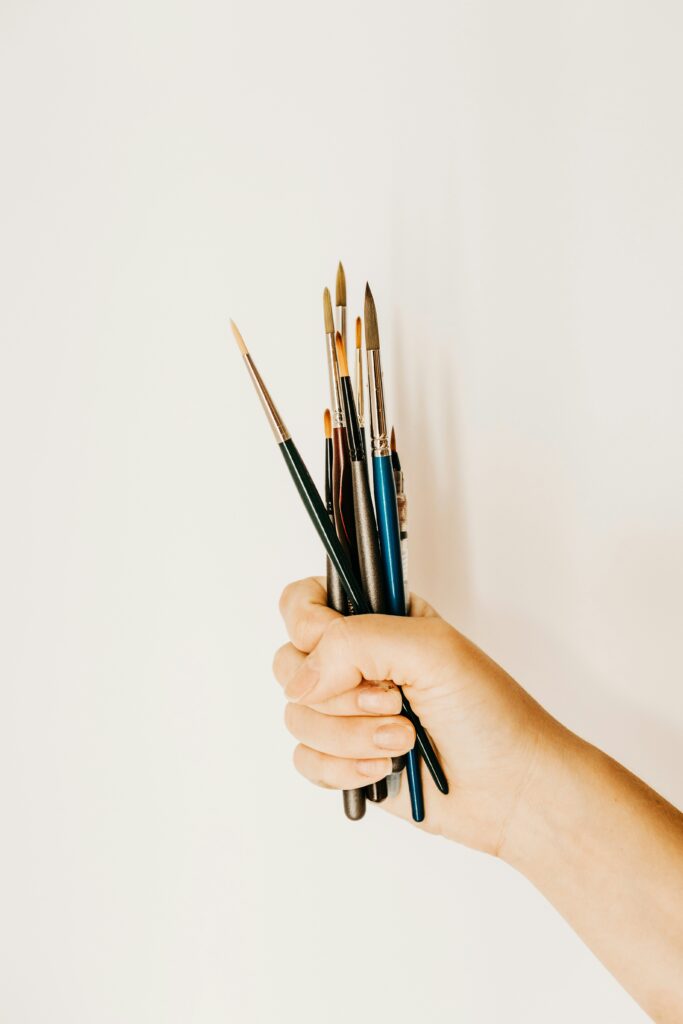
How To Choose Brushes For Mixed Media Art
Choosing brushes for mixed media art means balancing versatility, durability, and the needs of multiple materials. You’ll want brushes that can handle everything from thin washes to thick texture pastes without falling apart or changing shape too quickly.
Understand What Mixed Media Means for Brushes
Mixed media describes art that combines two or more media, and that variety directly changes which brushes work best. When you use ink, acrylic, watercolor, collage adhesives, and pastes in one piece, your brushes need to be able to tolerate both thin solvents and heavy-bodied media.
Common Mixed Media Materials
You’ll often combine paints (acrylics, watercolors, inks), powders, pastes, collage elements, and drawing media like charcoal or pastel. Each of these materials interacts differently with brush fibers and construction, so the brushes you choose should reflect the range you use most often.
How Different Media Affect Brushes
Thin, water-based media can be gentle on bristles but demand fine tips for detail, while heavy gels and texture pastes strain bristles and can cause splaying. If you’re switching frequently between media without thorough cleaning, synthetic brushes are often the safer choice because they resist water absorption and gumming.
Brush Anatomy and What Matters
Knowing brush anatomy helps you evaluate whether a brush will suit your mixed media needs. Key parts—bristles, ferrule, handle—each influence performance, comfort, and longevity.
Bristle Type
Bristles determine how paint is loaded, released, and how the brush holds its shape. Natural hairs often offer spring and a fine point, while synthetic fibers can be stiffer and more resilient to heavy mediums.
Handle Length and Shape
Handle length affects control and comfort. Short handles give you precision at the easel or tabletop, while long handles are better for working at a distance or on larger supports.
Ferrule and Construction
A sturdy ferrule secures bristles and prevents shedding; look for nickel-plated or brass ferrules that are crimped cleanly. Construction quality matters more for mixed media because heavier materials stress the connection between bristles and ferrule.
Brush Size and Tip Shape
Size affects coverage and detail; tip shape dictates stroke character. Mixing large flats for backgrounds with fine rounds for detail gives you flexibility to layer media without switching tools constantly.
Bristle Materials: Pros and Cons
The material of the bristles influences feel, durability, and suitability for specific media. You’ll want to match bristle material to the kinds of media you use most and how rough you are with cleaning.
| Bristle Type | Characteristics | Best for | Cleaning Difficulty |
|---|---|---|---|
| Natural Hair (Kolinsky/Sable) | Soft, excellent spring, holds fine point, expensive | Watercolor, detailed ink work, glazing | Moderate — sensitive to harsh soaps and solvents |
| Hog Bristle | Stiff, durable, holds heavy paint well, can be scratchy | Oil, heavy acrylic impasto, texture work | Easy — withstands scrubbing and solvents |
| Synthetic (Nylon/Taklon) | Versatile, springy, resists water absorption, affordable | Acrylics, mixed media general use, heavy mediums | Easy — tolerates frequent washing |
| Blended (Natural + Synthetic) | Combines softness and durability | Artists who use both watercolor & acrylic | Moderate — depends on blend |
| Polyester Microfibers | Soft, smooth glide, increasingly popular | Acrylics, washes, multi-purpose | Easy — machine-made consistency |
Synthetic vs Natural — Which to pick?
If your mixed media practice is rough on brushes or includes heavy gels and adhesives, synthetic fibers are often more practical because they don’t absorb water and return to shape quickly. If you primarily work with watercolor, ink, or very fine detail and you want that specific feel and point, select high-quality natural hair brushes, but plan on careful cleaning and occasional replacement.
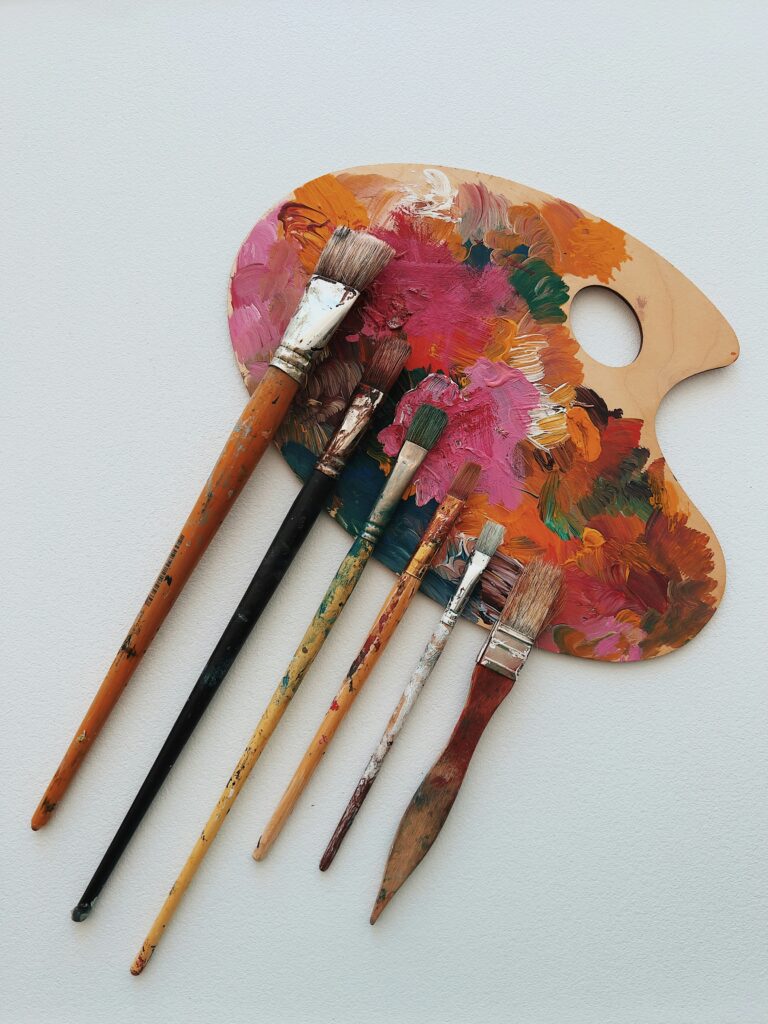
Brush Shapes and How You’ll Use Them
Brush shape determines the kind of strokes you can make and how brushes interact with textured supports. You should assemble a set of shapes that covers washes, edges, details, and texture application.
Round Brushes
Round brushes come to a sharp point and are excellent for detail, lines, and controlled washes. You’ll use them for everything from fine line work with inks to blocking in shapes with thinned acrylics.
Flat Brushes
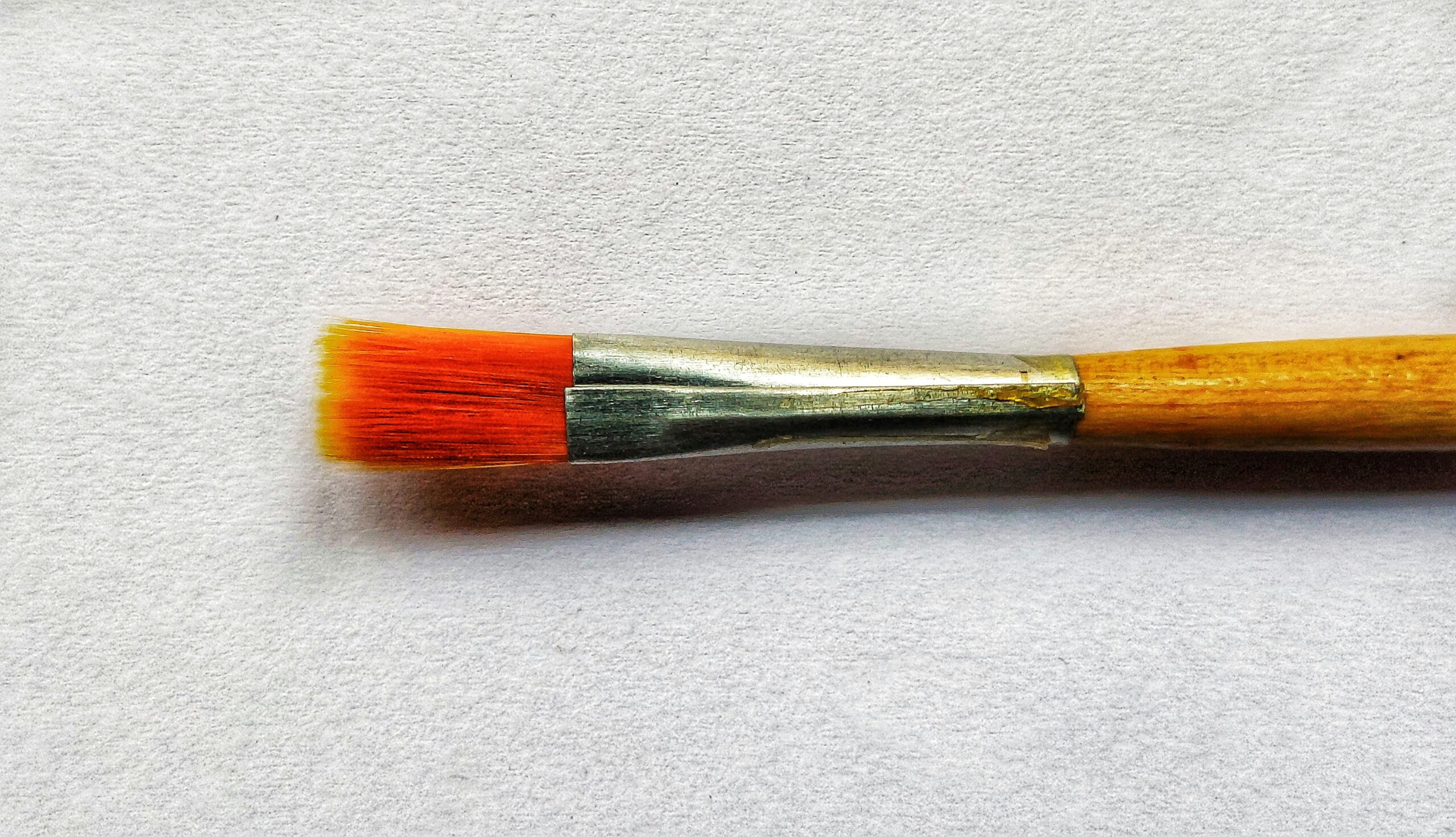
Flats have a rectangular edge that’s great for bold strokes, washes, and creating sharp edges. They’re useful for laying down backgrounds and for applying gesso or medium evenly.
Filbert Brushes
filberts have an oval tip that blends the qualities of rounds and flats, offering smooth strokes and soft edges. You’ll appreciate filberts when you need control for organic shapes and blending color transitions.
Bright Brushes
Brights are similar to flats but with shorter bristles, giving you more control and a shorter, punchier stroke. They’re ideal when you want texture without too much flex—good for impasto pulls and controlled scraping.
Angular Brushes
Angular or angled brushes allow you to create precise strokes and clean corners with ease. They can also be used on their edge for thin lines or on the broad side for sweeping shapes, which makes them handy in mixed applications.
Mop Brushes
Mops hold a lot of water and pigment, making them suitable for large washes and soft blending. You’ll use mops when you want to saturate an area quickly with watery media or soften transitions.
Fan Brushes
Fan brushes blend and create natural textures like foliage, hair, or grain. They can also be useful for lifting off wet pigment or lightly applying powders, which makes them a versatile addition to your mixed media kit.
Choosing Brushes by Medium
Different media demand different brush qualities, and mixed media artists often need to find compromise pieces that perform well across multiple types.
Acrylics and Heavy Body Mediums
Acrylics—especially heavy body—benefit from stiffer synthetic or hog bristle brushes that can move thick paint and handle gels. Look for brushes that keep their edge and can be cleaned quickly; dried acrylic is tough to remove.
Water-based Media (Watercolor, Ink, Watered-down Acrylic)
For washes and delicate marks, softer natural hair or high-quality synthetic rounds that hold water are your best friends. You’ll want brushes that form a fine point for line work and that release paint smoothly for glazing.
Gesso, Texture Pastes, and Heavy Mediums
Texture pastes and gesso require durable, open-fiber brushes or inexpensive pushers you don’t mind wearing out. Consider dedicated palette knives and stiffer bristles for these media so your softer detail brushes remain intact.
Oil and Oil-like Media
Oil painting favors hog bristle for its strength and spring, and you’ll often use different cleaning agents (solvents) than for water-based media. If you combine oil with other media, you’ll need strict cleaning protocols or keep separate brush sets for oil work.
Pastels, Charcoal and Dry Media
For dry media, brushes are more for blending or lifting rather than laying down pigment; soft, clean brushes can blend pastel edges or remove loose charcoal. You don’t need expensive brushes for this work, and you’ll often use stiffer tools or tortillons alongside brushes.
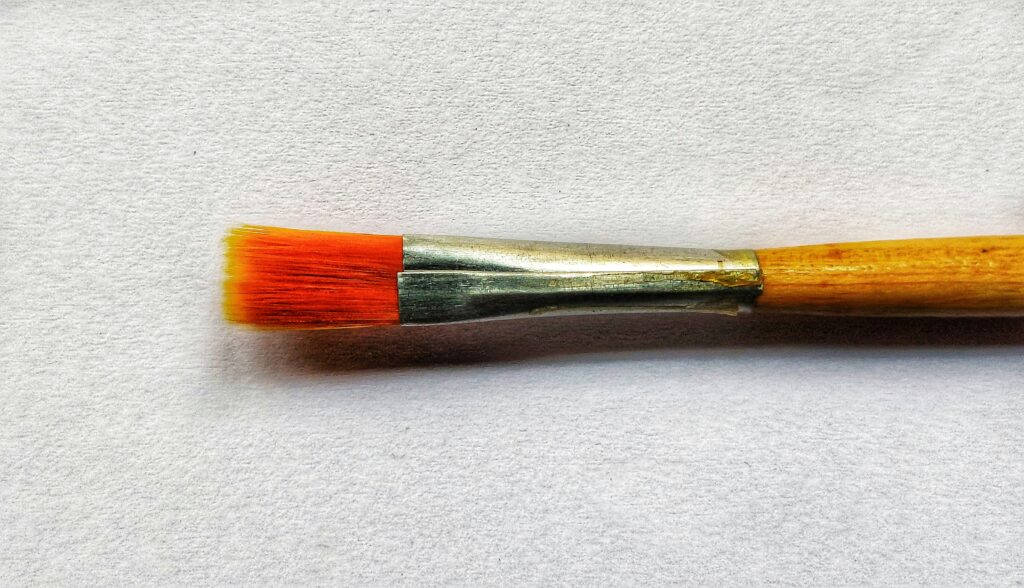
Versatility: Brushes That Pull Double Duty
You’ll save space and money by choosing brushes that work well across multiple media while keeping a few media-specific tools on hand. Certain synthetics and blenders are designed to behave similarly to natural hair but with more robustness for mixed applications.
Good All-purpose Brushes
A medium round (size 6-10) in a high-quality synthetic and a medium flat or filbert (1/2″ to 1″) will cover a huge range of tasks. You’ll be able to detail, wash, block in, and apply glazes with these core pieces.
When to Choose Specialty Brushes
If your work frequently requires ultra-fine lines, minute glazing, or contains heavy impasto, invest in specialized brushes for those tasks. Keeping specialty pieces separate maintains the longevity of your everyday brushes and improves workflow quality.
How to Test Brushes Before Buying
Testing brushes in store or on samples at home helps you avoid surprises when you return to the studio. Pay attention to flow, spring, and how the brush holds its shape after a few strokes.
In-store Testing Tips
Load the brush with the medium you use most and make a few strokes on sample paper or canvas if available. Watch for even paint release, whether the brush forms a point when needed, and if bristles shed onto the support.
What to Watch For
Look for loose bristles, an uneven ferrule, or a handle that feels unbalanced in your hand. If the brush doesn’t snap back into shape after several strokes, it will probably splay faster than you want when working with thick media.
Building a Brush Kit for Mixed Media
Assemble a kit that covers the needs of your most frequent projects and complements your working style. Include at least one good round, one flat, and one texture-capable brush, and expand according to your techniques and preferred media.
| Kit Level | Suggested Brushes (Shapes & Sizes) | Bristle Type |
|---|---|---|
| Basic Kit | Round (6), Flat (1/2″), Filbert (8) | Synthetic |
| Intermediate Kit | Round (4,8), Flats (1/4″,1″), Filbert (6), Bright (3/4″), Mop (large) | Synthetic + 1 natural |
| Professional Kit | Rounds (0,2,6,10), Flats (1/4″,1/2″,1″), Filbert (6,10), Hog bristle bright, Mop, Fan | Mix of synthetic, hog, and natural for detailed glazing |
How many do you need?
For many mixed media artists, a compact kit of 6–12 thoughtfully chosen brushes will be enough to cover most needs. If you switch media mid-piece, you’ll also want a few inexpensive “disposable” brushes for heavy pastes or adhesives.
Care and Maintenance for Mixed Media Brushes
Good care extends the life of your brushes and saves you money in the long run. Consistent, proper cleaning after each session is essential—especially when switching between water-based and solvent-based media.
Cleaning by Medium
Rinse acrylics out with water immediately; use mild soap and warm water to get residual paint out. For oils, use an appropriate solvent to remove the majority, then follow with soap and warm water to condition and remove remaining residue.
Deep Cleaning and Reshaping
For brushes that become stiff with dried paint, consider a professional brush cleaner or a gentle scrub with a conditioning soap formulated for artists. After cleaning, reshape the tip with your fingers and store the brushes horizontally or bristle-up to maintain the point.
Drying and Storage
Dry brushes horizontally or bristles-up to avoid moisture warping the handle or ferrule. Keep brushes in a dust-free container and protect fine points with separate caps or a dedicated brush roll when transporting.
Saving Money Without Sacrificing Quality
You can acquire reliable brushes without breaking the bank by buying strategically and maintaining what you own. Prioritize quality where it matters most and be pragmatic about which brushes can be budget buys.
When to Buy Sets vs Individual Brushes
Starter sets can give you a sense of shapes and sizes quickly and economically, but pick individual high-quality pieces for your most-used sizes. You’ll want premium versions of the brushes you grab first and often, and cheaper brushes for tasks that wear them down.
How to Spot Quality on a Budget
Check for a smooth ferrule joint with no gaps, even bristle tips, and consistent spring when you test a brush. A well-made synthetic brush can outperform a cheap natural brush, so don’t assume price alone indicates suitability.
Common Mistakes and How to Avoid Them
Certain habits cause brushes to fail faster than others, but you can avoid most common pitfalls with a few mindful practices. Recognize the mistakes and introduce small routine changes to keep your tools working.
- Letting acrylics dry in the brush: You’ll ruin the shape and flexibility; rinse immediately after use.
- Using the wrong brush for paste: Reserve your soft, fine brushes for delicate work and use stiff or inexpensive brushes for heavy textures.
- Overworking brushes with solvents: Repeated solvent exposure without conditioning can make natural hair brittle; rotate brushes and use appropriate cleaners.
Tips for Choosing Brushes for Specific Projects
Match brushes to the effect you want to achieve, and remember that mixing media often requires planning for cleaning and tool protection. When you prepare for a particular technique, you’ll choose brushes that not only perform but also survive the process.
Collage and Adhesives
For glue-heavy collage work, use inexpensive synthetic or discarded brushes that won’t be damaged by adhesives. Keep quality rounds separate so their fine points remain intact for paintwork.
Layered Painting and Glazing
Select soft, fine-point synthetic or natural brushes that form a smooth tip for glazing and transparent layers. Gentle application preserves earlier layers and prevents lifting or scumming.
Texture and Impasto Techniques
Use hog bristle or short bright synthetic brushes for pushing paste and creating peaks. You’ll also want palette knives and scrapers—brushes alone aren’t always the best tool for deep texture.
Frequently Asked Questions
These are practical answers to common concerns you’ll encounter while choosing brushes for mixed media art.
How many brushes should you own for mixed media?
Aim for a flexible core set of 6–12 brushes, plus a few inexpensive or dedicated brushes for heavy pastes and adhesives. You’ll expand based on technique and the frequency with which you commit to specific media.
Can you use the same brushes for acrylic and watercolor?
You can use some brushes for both, especially synthetics that hold a point and clean easily, but avoid mixing oil and water media on the same brushes. Keep separate brushes for oil-based media to avoid contamination and cleaning difficulties.
How do you tell when a brush needs to be replaced?
Replace brushes when they consistently lose shape, shed excessively, or no longer form the stroke you need. If deep cleaning doesn’t restore spring and point, it’s time to replace the brush.
Are cheaper brushes okay for mixed media?
Cheaper brushes can be fine for heavy, abrasive tasks like pasting or applying gesso, but invest in better brushes for frequent use and detail work. A strategic mix lets you protect your investment while still handling rough jobs.
Should you use a different brush for collage adhesives?
Yes—use inexpensive brushes for adhesives because glues can be hard on bristles and may not wash out completely. Keeping a few “adhesive-only” brushes prolongs the life of your better brushes.
Final Thoughts
Choosing brushes for mixed media art is a balance between function, budget, and the specific techniques you use most often. If you prioritize a few high-quality, versatile shapes and supplement with inexpensive tools for messy tasks, you’ll gain both creative freedom and long-lasting brushes that support your practice.
If you’d like, tell me what media you use most often and what kinds of marks you like to make, and I’ll recommend a targeted kit for your workflow.