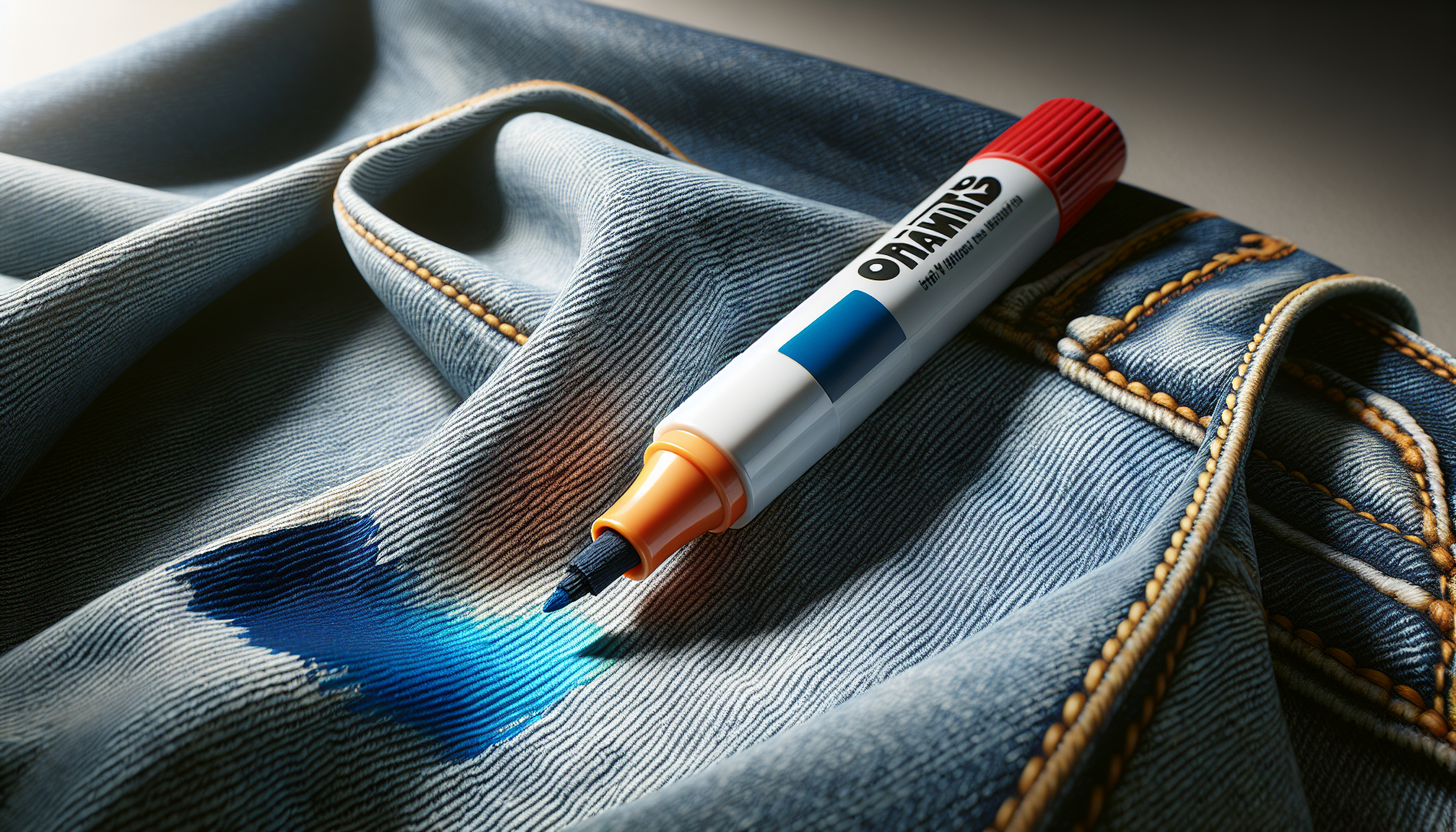
? Have you ever wondered whether paint markers are a practical choice for decorating fabric and what you need to know to get long-lasting results?
Can You Use Paint Markers On Fabric? Pros, Cons & Best Brands
You can use many types of paint markers on fabric, but the results depend on the marker chemistry, the fabric content, preparation, and how you cure the design. This article explains which markers work best, how to prepare and apply them, how to fix and care for your work, the pros and cons to expect, and brand recommendations so you can choose the right tool for your project.
What are paint markers?
Paint markers are pens filled with pigment-based or dye-based paint rather than traditional ink. They come in different chemistries (acrylic, oil-based, alcohol-based, and fabric-specific formulations) and in a variety of tip sizes for fine lines or broad fills. You should think of them as a controlled way to apply paint—less messy than brush painting, with greater precision for lettering, details, and small illustrations.
Why marker chemistry matters for fabric
The chemistry determines adhesion, flexibility, opacity, and how well the pigment stands up to washing and abrasion. Water-based acrylic markers generally bond well to natural fibers when heat-set, alcohol-based pens sink into the fibers but can fade, and fabric-formulated markers are engineered to be softer and more wash-resistant. Choosing the right chemistry for your fabric and use case is a critical first step.
Types of paint markers and how they behave on fabric
You should match marker type to fabric and project goals. The table below summarizes common marker types and their general behavior on textiles.
| Marker Type | Typical Base | How it behaves on fabric | Pros | Cons |
|---|---|---|---|---|
| Water-based acrylic | Acrylic polymer | Sits on fibers, often opaque; needs heat-setting | Good opacity; wide color range; relatively non-toxic | Can stiffen fabric; may need heat-setting for washfastness |
| Fabric-formulated (water-based) | Modified water-based pigments | Designed to penetrate fibers and remain flexible | Soft hand; formulated for laundering | Sometimes less opaque; limited tip variety |
| Oil-based | Oil or alkyd | Adheres well, durable | Durable finish, strong adhesion | Strong odor, slow drying, can stiffen fabric |
| Alcohol-based permanent | Alcohol solvent with pigments/dyes | Penetrates quickly; fast-drying | Fast results; good for porous fabrics | Can bleed, fade with washing; solvent odor |
| Solvent/acrylic hybrid (e.g., professional markers) | Acrylic with solvents | Very permanent on many surfaces; often highly pigmented | Excellent opacity; durable | Potential fumes; may require heat-set for textiles |
How fabric type affects marker performance
Natural fibers (cotton, linen, silk) absorb water-based and acrylic pigments more readily, which helps with adhesion and washfastness. Synthetic fibers (polyester, nylon, blends) can be less absorbent; some markers won’t bond as well and colors may bleed or wash out unless you use a marker formulated for synthetics or pre-treat the fabric. You should always test on scrap fabric first.
Preparing fabric before using paint markers
Proper preparation improves the look, adhesion, and longevity of your marker designs. You should take these steps before you begin marking.
Prewash the fabric
You should prewash garments and yardage to remove sizing, finishes, and shrinkage potential. Prewashing gives a truer representation of how the pigment will look and helps the paint bond directly to the fibers rather than a temporary finish.
Iron and stabilize
Iron the fabric to remove wrinkles that can interfere with precise work. Use a stabilizer (cardboard, plastic insert, or tear-away stabilizer) inside garments like T-shirts to prevent bleed-through and to provide a firm surface for drawing.
Tape and stencil setup
If you need crisp edges or repeatable shapes, secure stencils or masking tape before you start. Use low-tack painter’s tape to avoid pulling fibers when you remove it.
Test first
You should always test markers on a fabric scrap cut from the same garment or panel. Test for color, bleeding, absorption, and how the paint looks after heat-setting. Testing avoids surprises and saves time.
Application techniques: tips for crisp, consistent results
Your technique affects line quality, opacity, and longevity. These practical tips will help you get professional-looking results.
Choose the right tip
Select a fine tip for lettering and detail and a broad chisel or bullet tip for filling areas. Markers often come in a range of tip sizes; plan which parts of the design will use each size.
Work in layers
Apply thin, even layers rather than one thick coat. You should allow layers to dry between passes to reduce cracking and drying skin effects. For opaque coverage, multiple thin layers are usually better than one heavy coat.
Control bleed and feathering
To reduce bleed, avoid oversaturation, keep the marker tip moving, and allow the pigment to penetrate rather than pool. Use a stabilizer or board behind the fabric and work on a flat surface.
Blending techniques
Blending on fabric is possible but time-sensitive. Water-based and acrylic markers can be blended while wet using a damp brush or by feathering two colors together quickly. Alcohol-based markers blend differently; you may use an alcohol blender to soften edges but expect a different look than on paper.
How to cure and heat-set marker designs
Curing is often essential for washfastness. Specific heat-set times and methods vary by manufacturer, but these general guidelines will help you achieve reliable results.
Heat-setting by ironing
Place a clean cloth or parchment paper over the design and iron on the reverse side or the front as instructed by the marker manufacturer. Typical settings for cotton are a medium to high temperature (cotton/linen setting) with firm pressure for 3–5 minutes, moving the iron steadily. You should always follow the marker maker’s instructions to avoid discoloration or melting.
Heat press or oven curing
If you have access to a heat press, follow the manufacturer’s temperature and time settings for fabric paints (commonly around 300–320°F for a short duration). Some professional paint markers require oven curing for a brief period; consult product guidance. You should never place garments directly on glowing heating elements.
Air cure and waiting period
Even after heat-setting, allow the painted area to cure for 24–72 hours before washing. Air curing helps the paint fully cross-link and improves flexibility and durability.
Washing and caring for marker-decorated fabric
You should follow careful laundering steps to maintain color and adhesion over time.
First wash
Wait at least 24–72 hours after heat-setting before washing. Machine wash on a gentle cycle in cold water or hand wash to minimize abrasion. You should turn garments inside out to protect the design.
Detergents and additives
Use mild detergent and avoid bleach, strong stain removers, or fabric softeners that can degrade pigments. Fabric softener can make the painted area feel stiffer or reduce adhesion over repeated cycles.
Drying
Air dry or use a low-heat tumble cycle. High heat can accelerate fading and may cause cracking in some paints. You should avoid direct sunlight for long periods when drying decorated pieces, as UV exposure can fade colors.
Long-term care
Expect some changes over time—minor fading or softening is normal. You should refresh or touch up designs with compatible markers if necessary and re-heat-set touch-ups as instructed.
Pros of using paint markers on fabric
Using paint markers offers several practical benefits that can make fabric decoration faster and more precise.
- Precision and control: You get drawing-like control for lettering, fine details, and small motifs.
- Low setup and mess: Markers are less messy than jars of paint and brushes.
- Portability: Markers are easy to transport and use on the go.
- Tip variety: Different tip sizes suit different techniques, from micro-lines to bold fills.
- Speed: Markers dry faster than some brush-applied paints, letting you layer quicker.
You should weigh these advantages against limitations in the next section.
Cons and limitations to consider
You should be aware of several disadvantages and trade-offs when using markers on fabric.
- Potential stiffness: Some markers, especially heavily pigmented acrylic and oil-based types, can stiffen fabric.
- Durability variability: Not all markers are equally washfast; some require heat-setting for longevity.
- Bleeding and feathering: Poorly matched fabric or over-saturation can cause bleeding.
- Color shift after curing: Some pigments shift color after drying or heat-setting.
- Cost: High-quality paint markers can be expensive compared to basic fabric paints.
Best paint marker brands for fabric — comparison table
You should select a brand based on the surface, desired finish, and budget. The table below provides a concise comparison of popular brands and their strengths for fabric work.
| Brand | Typical Ink Type | Strengths on Fabric | Typical Tip Options | Notes |
|---|---|---|---|---|
| Posca (Uni) | Water-based acrylic | Opaque, great color, good for detail | Bullet, fine, chisel, broad | Often used on fabric; heat-set recommended for durability |
| Tulip | Fabric-formulated water-based | Designed for textiles; soft hand | Fine, bullet, brush | Good for apparel and crafts; follow heat-setting directions |
| Molotow ONE4ALL | Acrylic (solvent-modified) | High opacity, professional colors | Multiple tips (replaceable) | Durable on many surfaces; heat-set for textiles |
| Sharpie (permanent markers & fabric line) | Alcohol-based / fabric markers | Fast drying; widely available | Fine, ultra-fine | Regular Sharpies can fade with wash; fabric line better for textiles |
| Arteza | Acrylic-based paint markers | Good pigments, varied tips | Fine, medium, broad | Cost-effective option for hobbyists |
| Pebeo Setacolor | Fabric paint (markers and paints) | Specifically for textiles; flexible finish | Marker and brush options | Good washfastness when heat-set per instructions |
| Sakura Pen-Touch | Oil-based/enamel pens | Smooth opaque lines, great for detail | Fine, medium | Dries glossy; can be stiff on fabric |
| Crayola Fabric Markers | Water-based fabric | Kid-safe, washable options | Fine, medium | Best for kids’ projects or temporary designs |
How to choose the right brand for your project
You should pick a brand based on washable performance, hand-feel, opacity, and tip selection. If you need professional, long-lasting results on clothing that will be washed frequently, choose fabric-specific markers or professional acrylic brands and follow heat-setting protocols. For casual crafts or kids’ items, less permanent, washable markers may be appropriate.
Recommended markers for specific use-cases
You should match the product to the intended outcome. Below are targeted recommendations.
- For professional art on textile (durable, vibrant): Posca, Molotow ONE4ALL, Arteza acrylics.
- For apparel and soft hand (T-shirts, baby clothes): Tulip fabric markers, Pebeo Setacolor.
- For kid-friendly and temporary projects: Crayola Fabric Markers.
- For very fine work and permanent coverage: Sakura Pen-Touch or fine Posca tips.
- For large areas and blended fills: Use broad-tip acrylic markers or switch to jar-based fabric paint with brushes.
Troubleshooting common problems
If you run into issues, here are targeted solutions for the most common problems.
Problem: Marker bleeding or feathering
- Use a stabilizer or insert cardboard to create a firm backing.
- Use less pressure and avoid lingering in one spot.
- Choose a marker with a finer tip for lines; use a stencil if needed.
- Test different fabrics—tighter weaves control bleed better.
Problem: Color fades after washing
- Check whether the marker requires heat-setting and follow the recommended method.
- Verify fabric content; synthetic fibers may not bond well without markers formulated for synthetics.
- Avoid hot-water washes and harsh detergents.
Problem: Paint cracks with fabric stretch
- Use fabric-formulated markers or thin layers of acrylic rather than heavy builds.
- Apply multiple thin layers and allow full curing.
- For stretch areas, use markers designed for flexible finishes.
Problem: Uneven coverage or patchiness
- Use multiple thin layers and allow drying between passes.
- Prime synthetic fabrics with a fabric medium if recommended.
- Shake or mix markers well according to manufacturer instructions.
Safety considerations and ventilation
You should pay attention to ventilation, especially with solvent-based or oil-based markers. Those may emit fumes that can irritate lungs or skin. Use them in a well-ventilated area, and consider gloves if you have skin sensitivity. For children’s projects, prefer non-toxic, water-based fabric markers labeled safe for kids. Always read and follow safety information on the product label and MSDS if applicable.
Cost considerations and budgeting
Marker pricing varies widely. High-quality, professional markers cost more but provide better pigment load, tip longevity, and washfastness. If you plan many projects or professional sales, invest in a mid- to high-tier brand. For occasional hobby use, budget-friendly sets can suffice. Consider also the cost of heat-setting equipment, stencils, stabilizers, and protective materials.
Advanced techniques and creative ideas
Once you master basics, you can use paint markers for more advanced textile art.
Layered textures and mixed media
Layer markers with fabric paints, embroidery, appliqué, or screen printing to create rich textures. You should plan layering order: typically apply marker details last to preserve fine lines.
Washout and resist techniques
Some artists use washable markers as a resist or underpainting that will soften or fade after laundering, leaving subtle background tones beneath more durable top layers.
Metallic and special effects
Use metallic or pearlescent markers for accents. Test on fabric, as some metallic pigments can be less flexible and more prone to cracking; thin application and careful curing help.
Step-by-step project example: Custom T-shirt with paint markers
You should follow these steps to create a custom T‑shirt design that lasts.
- Gather materials: prewashed cotton T‑shirt, Posca or Tulip fabric markers, cardboard insert, iron, stencil (optional), painter’s tape.
- Prepare the garment: prewash and iron. Insert cardboard and secure stencil with tape.
- Test: Try marker on scrap fabric.
- Apply: Use fine tip for details and broad tip for fills. Work in thin layers and wait between passes.
- Cure: Air dry 24 hours, then heat-set according to marker instructions (iron through a cloth at cotton setting for 3–5 minutes).
- Care: After 72 hours, machine wash inside out on gentle cycle with cold water.
Frequently asked questions (FAQ)
Are paint markers permanent on fabric?
Permanence depends on marker chemistry and whether you heat-set the design. Fabric-specific markers and properly heat-set acrylics typically offer lasting results; standard alcohol-based permanent markers may be less washfast.
Can you use paint markers on polyester or blends?
You can, but performance varies. Polyester is less absorbent than cotton and may require a marker formulated for synthetics or a primer. Heat-setting is especially important.
Will paint markers make fabric stiff?
Some markers can stiffen fabric, especially thick layers of acrylic or oil-based paints. Using fabric-formulated markers and thin layers reduces stiffness.
How long does paint need to dry before heat-setting?
Follow the manufacturer’s guidance. Generally, allow at least 24 hours of air drying, though some markers recommend immediate heat-set after drying. Waiting 24–72 hours is a safe practice for better adhesion.
Can I wash decorated fabric right after painting?
You should wait at least 24–72 hours and heat-set if required. Washing too soon can wash out pigment and compromise adhesion.
Final recommendations and best practices checklist
You should follow this checklist for consistent, professional results:
- Prewash and iron the fabric.
- Test marker and heat-setting on a fabric scrap.
- Use a stabilizer or cardboard insert to prevent bleed-through.
- Work in thin layers and allow drying between passes.
- Heat-set according to manufacturer instructions.
- Wait 24–72 hours before the first wash.
- Wash inside out on a gentle cold cycle and avoid bleach.
Conclusion
You can use paint markers on fabric successfully when you match marker chemistry to the fabric, prepare the surface correctly, apply recommended techniques, and cure the paint properly. The benefits include precision, portability, and a wide range of tip and color options; the limitations include potential stiffness, variability in washfastness, and cost. By testing, following manufacturer instructions, and using the brands and methods that fit your goals, you will create durable, attractive designs that meet your needs.
If you have a specific fabric and a project in mind, tell me the fabric type and the look you want, and I can recommend the best markers, tips for application, and the exact heat-setting routine.