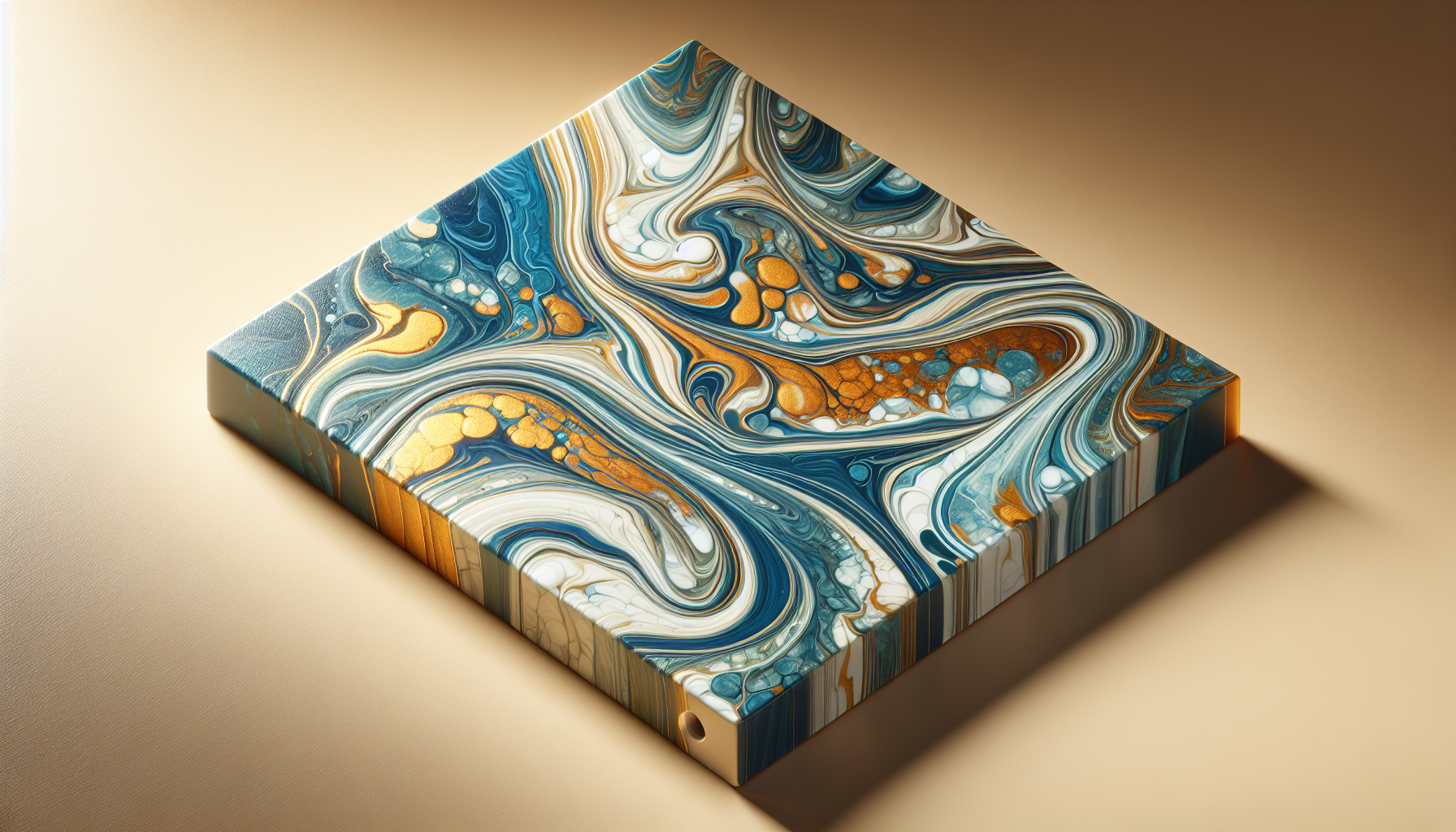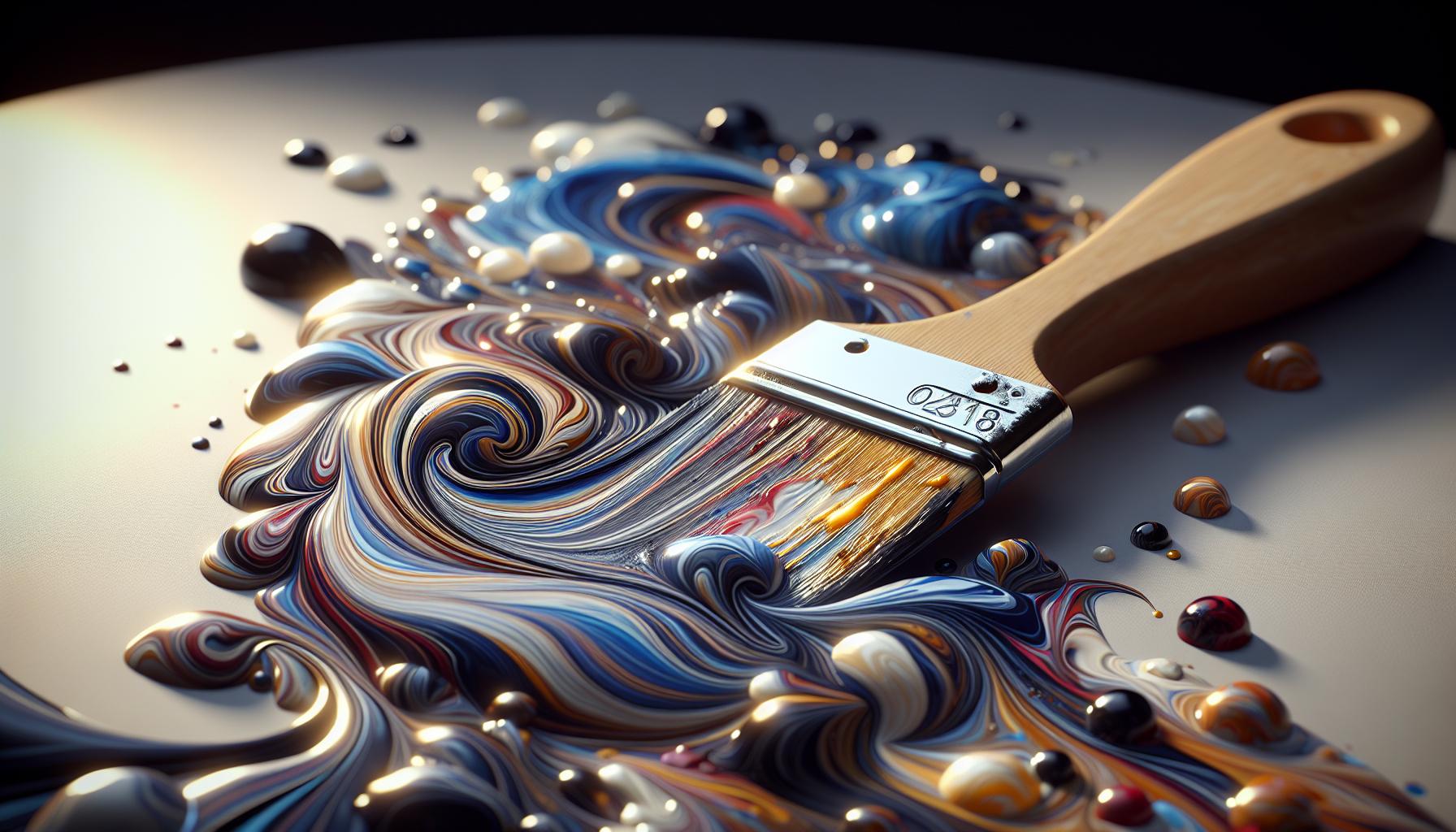
?Which paint will give you the look, durability, and workability you need for your marbling project — acrylic, oil, or a specialized marbling paint?
Best Paints For Marbling: Acrylic Vs Oil Vs Special Marbling Paint
You will make better choices and save time when you understand how each paint system behaves on marbling size, which surfaces they adhere to, and what finishing steps they require. This article compares acrylics, oils, and specialized marbling paints in depth, provides recipes and workflows, troubleshooting tips, safety notes, and recommendations so you can pick the best option for the effect and substrate you want.
What is Marbling?
Marbling is a surface-decoration process where pigments are floated, manipulated, and transferred to a substrate to produce flowing, organic patterns. You will usually work on a viscous aqueous “size” rather than plain water to control pigment movement and suspension.
Marbling can produce highly repeatable patterns for bookbinding and stationery, or unpredictable painterly textures for textiles and art. The paint you choose changes how easily pigments float, how crisp the transferred pattern is, how long you have to manipulate the design, and how durable the final piece will be.
How Marbling Paint Must Behave
You will look for paints that float reliably, spread predictably, and maintain color saturation when transferred. That means properties such as surface tension, viscosity, and pigment concentration are as important as pigment quality.
If paint sinks, you will lose control of the design and suffer poor transfers. If paint dries too fast on the surface, you will limit your working time. Understanding these behaviors helps you select or modify paints for optimal marbling results.
Paint Types Compared
You will encounter three broad categories when choosing marbling paints: acrylic-based products, oil-based paints, and specialized marbling paints or inks formulated to float on size. Each type has unique advantages and limitations for specific patterns, surfaces, and workflows.
Below are focused descriptions of each category with typical use cases and considerations.
Acrylic Paints
acrylic paints are water-based, fast-drying, and versatile. You will often use acrylics thinned into a liquid paint or as acrylic inks; they are easy to clean up, less toxic than solvents, and compatible with a wide range of surfaces after proper adhesion treatments.
For marbling, acrylics usually require additives (flow improvers, surfactant like ox gall, or acrylic flow medium) to float evenly on mucilage-based sizes. You will also control viscosity with a bit of water or acrylic medium, but too much thinning can cause sinking.
Oil Paints
oil paints are pigment-rich and have excellent color depth and blending properties. You will use oils when you want long working times, buttery manipulation, and luminous results that carry through transfer well. Oil marbling historically uses oil pigments floated on a water surface or on a size with solvent-thinned paints.
Oil paints require solvents (turpentine or mineral spirits) to thin, stronger ventilation, and careful handling. They tend to remain workable longer on the surface and can yield very fine line work; however, they need appropriate substrates and sealing to avoid adhesion problems.
Special Marbling Paints
Specialized marbling paints or inks are formulated specifically to float, spread, and transfer on marbling size. You will benefit from consistent floatability, predictable behavior, and often pre-mixed viscosity. These products often include pigments dispersed in a carrier and may come in ready-to-use kits for paper marbling and fabric marbling.
Because they are designed for marbling, you will generally spend less time modifying them and more time on pattern creation. The downside is that they can be more expensive and less versatile for non-marbling uses.
Key Properties to Evaluate
You will want to evaluate paints by several technical properties that directly affect marbling performance. Consider assessing viscosity, surface tension (floatability), pigment load (opacity and chroma), drying time, archival quality, clean-up, and toxicity.
The table below summarizes how acrylic, oil, and special marbling paints typically perform on those properties.
| Property | Acrylic Paints | Oil Paints | Special Marbling Paints |
|---|---|---|---|
| Floatability on size | Good with additives; variable if over-thinned | Naturally floats when thinned properly | Optimized for float; consistent |
| Viscosity control | Easy via acrylic mediums | Controlled with solvents; slower changes | Pre-formulated for marbling |
| Pigment saturation | High, can be transparent or opaque | Very high; excellent depth | Tuned for bright, crisp patterns |
| Working time on surface | Short to moderate | Long | Moderate to long depending on formulation |
| Cleanup | Soap and water | Solvents required | Typically water- or solvent-based per product |
| Health/safety | Low VOCs | Solvent exposure | Variable; check MSDS |
| Surface adhesion | Excellent with proper ground | Excellent on primed surfaces | Engineered for transfers |
You will use the table as a quick decision aid but test each paint-size combination before committing to a major project. Small differences in your size recipe or ambient temperature can shift outcomes.
Surface Compatibility
You will select your paint partly based on the surface you plan to marble. Paper, fabric, leather, wood, and canvas each accept marbled designs differently and require specific preparations to ensure adhesion and long-term durability.
Paper
Paper is the most traditional and forgiving substrate for marbling. You will generally get crisp transfers with water-based acrylic inks or specialized marbling colors, provided the paper is sized or treated to accept the paint.
High-quality rag papers and marbling papers treated with alum often yield the best archival results. For lighter papers, pre-testing avoids bleed, feathering, or loss of contrast.
Fabric and Textiles
You will need paints that bond to fibers and withstand washing if you marble textiles. Specialized textile marbling paints or diluted acrylics formulated for fabric work well when followed by heat setting or a chemical fixative.
Avoid oil paints for most textile applications because adhesion and washfastness become problematic. Use colors designed for textiles for best durability.
Wood and Hard Surfaces
You will prepare wood with a seal coat, primer, or gesso before marbling. Acrylics and specialty marbling paints transfer reliably to prepared wood. Oils can be used but will need longer cure times and compatible primers to avoid adhesion failures.
Consider the final use: furniture and functional objects require robust topcoats and abrasion-resistant seals to protect marbled finishes.
Leather and Synthetic Materials
You will test small areas because leather and synthetics vary widely. Special marbling inks designed for leather or flexible acrylics work best; oils may crack on flexible surfaces.
Surface primers, flexible sealers, and appropriate fixatives preserve the finish and maintain flexibility without flaking.
Canvas
You will prime canvas in the usual way for painting if you plan to marble it for subsequent painting, printmaking, or display. Acrylics and special marbling paints adhere well to primed canvas. Oils also work but require proper priming or an isolation layer to prevent migration into the ground.
Marbled canvas can be varnished or framed under glass depending on the final aesthetic and protection needs.
Techniques and Paint Matching
You will select paint types based on the marbling technique you want to use: stone (spot) marbling, combing, Turkish ebru (brush/horsehair), Suminagashi (floating ink), or paper transfers. Each method has different demands.
Stone (Spot) Marbling
Stone marbling uses droplets that form rounded islands. You will prefer paints that hold discrete spots on the size and do not collapse into a film. Special marbling paints and well-prepared acrylic inks are often easiest for consistent stone patterns.
Control of surface tension and the use of ox gall or surfactant can help drops spread evenly without running together.
Combed Patterns
Combing requires paints that remain suspended and maintain discrete bands when dragged with combs or rakes. You will find oils excel if you want long manipulation time, while acrylic inks and special marbling paints allow faster, cleaner pulling for delicate combed lines.
Too-fluid paints will blend and lose pattern definition; too-thick paints will resist combing tools and tear patterns.
Ebru (Turkish) Marbling
Ebru uses brushes, toss-and-blow techniques, and fine manipulation to create floral and cloud-like motifs. You will lean toward pigments and sizes that allow gentle interaction for subtle feathering. Traditional ebru pigments on carrageenan or gum tragacanth are ideal.
Oils can be used for ebru effects but require an experienced hand because of different surface interaction.
Suminagashi (Japanese Floating Ink)
Suminagashi relies on simple floating inks and very fine ripples to produce concentric rings and waves. You will want extremely low-viscosity inks that float readily on plain water or very light size. Acrylic inks and specialized sumi inks are appropriate.
Suminagashi benefits from minimal additives; the subtlety of surface tension differences is what creates the classic concentric forms.
Additives and Size
You will manage paint behavior largely through the marbling size (the viscous bath) and additives. Size recipes commonly use carrageenan, methylcellulose, or gum tragacanth. Ox gall, wetting agents, and surfactants modify how pigments spread.
Common Size Ingredients
- Carrageenan: a seaweed-derived polysaccharide used to thicken water into a stable mucilage. You will find it common in paper marbling because it provides predictable suspension.
- Gum tragacanth: a traditional plant gum with a slightly different texture and handling; you will notice subtle differences in patterning.
- Methylcellulose (Methocel): provides a clear, stable size that many contemporary marblers prefer for ease of use.
You will choose a size based on the look you want and the type of paint you plan to use; some marblers prefer one size for paper and another for fabric.
Surface-Active Additives
- Ox gall: a natural wetting agent that helps water-based paints spread on the size. You will add tiny amounts to improve float and reduce beading.
- Surfactants and flow improvers: synthetic additives can help acrylics float evenly without breaking the size.
Use additives sparingly and test their effect because overdosing can break up the size and ruin transfers.
Recipes and Mixing Guide
You will save time by using tested recipes for each paint type. Below are practical starting points and mixing strategies you can adapt.
Acrylic Marbling Paint (Basic Recipe)
- Materials: heavy-body acrylic or acrylic ink, water, acrylic flow medium or flow improver, ox gall (optional).
- Ratio guideline:
- For heavy-body acrylics: 1 part acrylic : 1–2 parts acrylic flow medium : small amounts of water to reach an ink-like consistency.
- For acrylic ink: use as-is or dilute lightly with distilled water and a few drops of flow medium.
- Mixing tips: stir gently to avoid air bubbles. Test float by dropping onto your prepared size and adjust with more flow medium to improve spread or more pigment to increase opacity.
You will find that acrylic inks often perform better than thinned heavy body paints because they are formulated for ink-like behavior.
Oil Marbling Paint (Basic Recipe)
- Materials: artist oil paint, odorless mineral spirits or turpentine, small amount of alkyd medium (optional), ox gall or small surfactant for some formulations.
- Ratio guideline:
- Thin oil paint with solvent until it reaches a syrupy consistency that spreads into distinct spots but does not disperse into micelles. Typically 2 parts paint : 1–3 parts solvent depending on pigment and brand.
- Mixing tips: work in a ventilated area and use glass or metal containers. Test float behavior on water or size. If too thin, paint will disperse and sink; if too thick, it will not spread.
You will need to practice to find the balance between fluidity and surface tension.
Special Marbling Paints
- Materials and usage vary by product. Follow manufacturer guidance for dilution and additives.
- Many specialized paints are ready to use or require only minimal thinning with distilled water or a proprietary reducer.
You will appreciate the predictability of these formulations, especially when producing consistent batches for multiple prints.
Step-by-step Basic Acrylic Marbling Process
You will follow these steps for a reliable acrylic marbling workflow:
- Prepare size: mix carrageenan or methylcellulose per recipe, chill and rest to remove bubbles.
- Prepare paints: thin acrylics or inks to floatable consistency and keep in dropper bottles.
- Prepare paper: size or alum-treat the paper if needed, and have sheets cut to size and dampened slightly.
- Float colors: drop pigments onto the surface to build your pattern.
- Create pattern: manipulate with combs, styluses, or brushes.
- Transfer: lay paper gently on the surface, smooth to remove air, then lift.
- Rinse and dry: rinse in clean water to remove excess size, then hang or lay flat to dry.
- Seal: once dry, apply an appropriate varnish or fixative.
You will avoid smudging by handling the paper minimally while wet and allowing adequate drying time before sealing.
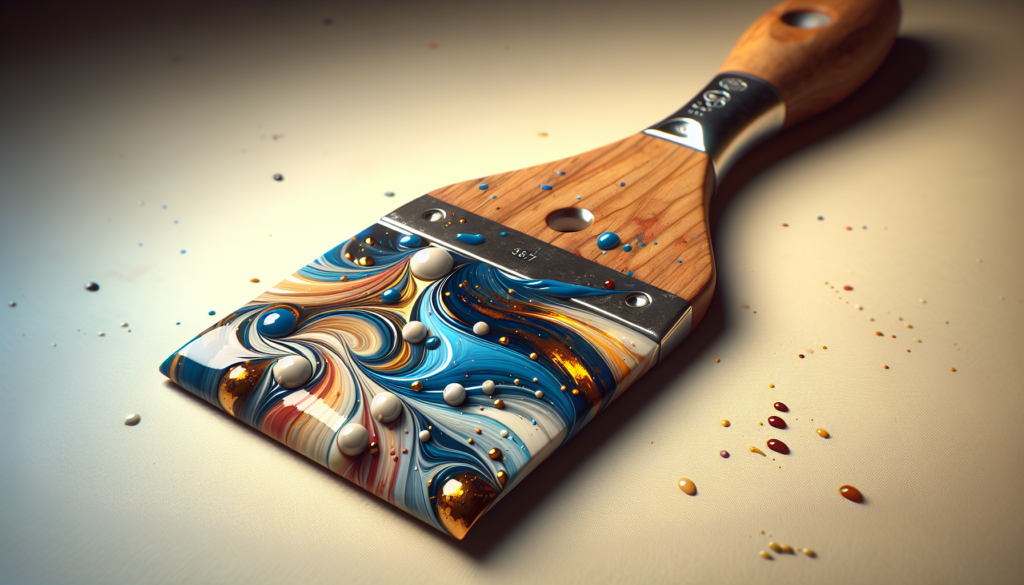
Step-by-step Oil Marbling Process
You will need to modify steps when using oils:
- Prepare water or light size: oils can float on plain water but a light size can improve control for some techniques.
- Thin oils: mix oil paint with solvent to the working consistency and decant into droppers.
- Float colors: apply small drops; maintain ventilation.
- Manipulate: use combs and brushes to form patterns; oils give a longer working window.
- Transfer: paper must be prepared (size, alum) to accept oil transfers. Oil transfers may require blotting after lifting.
- Clean and cure: oil residues may remain; allow extended cure time and use appropriate topcoats for protection.
You will need patience for curing times and ensure solvents are handled safely.
Step-by-step Using Special Marbling Paint
Special marbling paints simplify many decisions:
- Follow manufacturer instructions for the size and paint usage.
- Use pre-mixed colors or dilute as recommended.
- Float and pattern as you would with acrylic inks.
- Transfer, rinse, and dry per the product guide.
You will find that specialized paints reduce setup variables but may limit custom color mixing flexibility.
Common Problems and Solutions
You will encounter issues when working on a new paint-size system. The table below lists frequent problems and practical fixes.
| Problem | Likely Cause | Solution |
|---|---|---|
| Paint sinks | Too-thin paint or broken size | Increase pigment concentration or add flow medium; adjust size recipe |
| Paint beads and will not spread | High surface tension; paint too thick | Add a drop of ox gall or flow improver; slightly thin paint |
| Colors run together, no definition | Too-fluid paint or overly thin size | Thicken paint slightly or increase mucilage concentration |
| Pattern tears during transfer | Paper not smoothing or too wet | Smooth paper carefully, blot excess water, use proper paper tension |
| Patchy color after drying | Paint absorbed into paper or incompletely mixed | Treat paper with alum or primer; remix paints for uniform pigment load |
| Cracking in finished layer | Incompatible paint/ground or thick application | Use thinner layers, flexible sealers, or compatible primers |
You will solve most issues by testing and adjusting one variable at a time rather than changing multiple elements simultaneously.
Finishing and Sealing
You will need to protect many marbled surfaces, especially those for handling or functional use. The right sealer depends on paint type and substrate.
- For acrylic marbling: use water-based varnishes or UV-protective clear coats. These dry fast and are compatible with acrylic pigments.
- For oil marbling: allow full cure (weeks to months), then varnish with oil-based or synthetic varnishes recommended by the paint manufacturer.
- For textiles: use heat setting or textile fixatives appropriate to the colorant to ensure washfastness.
- For paper objects used in bookbinding: use archival spray varnish or interleaving and protect under a cover.
You will test sealers on samples to confirm finish, gloss level, and flexibility before applying to final work.
Health, Safety, and Environmental Considerations
You will protect your health by using good ventilation, gloves, and appropriate disposal methods. Solvents used for oil marbling are flammable and produce VOCs; follow local regulations for disposal and avoid open flames.
For water-based systems, avoid pouring large quantities of size or paint into drains. Use absorbent pads and dry waste disposal if local rules restrict wastewater discharge. Read Material Safety Data Sheets (MSDS) for each product you use.
Recommended Paint Brands and Products
You will benefit from working with reputable brands that offer consistent pigment quality and predictable behavior. Below are suggested brands grouped by category, with general notes.
- Acrylic inks and paints: Golden (Fluid Acrylics), Liquitex (Professional), Daler-Rowney FW, Amsterdam Acrylics. These offer reliable pigments and a range of viscosities.
- Oil paints: Winsor & Newton, Gamblin, Rembrandt. These brands provide consistent pigment loads and known drying behaviors. Use artist-grade colors for best chroma.
- Marbling-specific products: look for marbling kits or color lines from specialist suppliers and craft companies; product names vary by region. Many marbling suppliers also offer pre-measured size mixes and ready-to-use paints.
You will evaluate costs, local availability, and your tolerance for solvents when choosing brands. If you select a brand not commonly used for marbling, plan to test and adapt.
Cost and Availability Comparison
You will balance upfront cost versus long-term performance. Specialty marbling paints and artist-grade pigments cost more but can save time. Acrylics are often the most economical and widely available, with a good performance-to-cost ratio. Oils are mid-to-high cost and add solvent expenses.
The short table below summarizes typical differences.
| Type | Typical Cost | Availability | Recommended For |
|---|---|---|---|
| Acrylics/Inks | Low–Medium | High | Beginners, paper, mixed use |
| Oils | Medium–High | High at art suppliers | Painterly effects, long working time |
| Special Marbling Paints | Medium–High | Variable | Consistency, traditional marbling |
You will get the best value by matching paint cost to the project’s durability and aesthetic requirements.
How to Choose the Best Paint for Your Project
You will match paint to intent. If you need washfast textiles, choose textile-friendly acrylics or specialized fabric marbling colors. For archival book papers, select high-quality pigments and treat papers properly. For exploratory art pieces where color blending and long manipulation matter, oils might be the ideal medium.
Consider environmental and safety constraints. If you cannot use solvents or need quick cleanup, acrylics and specialized water-based marbling paints are preferable. If budget limits you, acrylic inks offer strong performance at lower cost.
Final Recommendations
You will select acrylics when you need easy cleanup, fast drying, and broad substrate compatibility. You will choose oil paints when working time, subtle blending, and luminous depth are primary goals and you can manage solvents and longer cure times. You will pick specialized marbling paints when consistency, minimal setup adjustment, and reliable float behavior are essential.
Always test your paint-size-substrate combinations on small samples before committing to the final piece. That testing step prevents wasted materials and frustrating surprises.
Frequently Asked Questions
Q: Can you use regular student acrylics for marbling? A: Yes, you can use student-grade acrylics, but you will often need to adjust with flow mediums and ox gall. Pigment strength may be lower, so colors can look less vibrant compared with artist-grade products.
Q: Do oils require a mucilage (size) to float? A: Not always. Oils can float on plain water because they are immiscible, but using a light size can improve control and consistency depending on technique and pattern complexity.
Q: How long should you let marbled pieces dry before sealing? A: For acrylic marbling, allow at least 24 hours or until fully dry depending on humidity and layer thickness. For oil marbling, wait weeks to months until fully cured, then apply varnish as recommended.
Q: Can you mix oil and acrylic in marbling? A: Directly mixing oil and acrylic is not recommended because they are chemically incompatible and adhesion failures can occur. You can use them on separate layers with proper isolation but avoid intermixing.
Q: What is the easiest route for a beginner wanting strong color and predictable behavior? A: Start with acrylic inks or a specialized marbling paint kit and a stable carrageenan or methylcellulose size. Test patterns and practice transfers on inexpensive paper before moving to final materials.
Closing Notes
You will perform best when you understand how paint chemistry interacts with size, substrate, and technique. The right choice depends on your final use, working preferences, and safety considerations. Test methodically, keep records of recipes and ratios, and adjust based on your samples to build a reliable marbling workflow.