Are paint markers truly permanent on every surface you might use them on?
Are Paint Markers Permanent? A Guide For Artists And DIYers
This guide explains what “permanent” means for paint markers and how permanence varies by marker chemistry, surface, and usage. You will learn how to choose markers, prepare surfaces, and protect your work so permanence is maximized for the application.
What are paint markers?
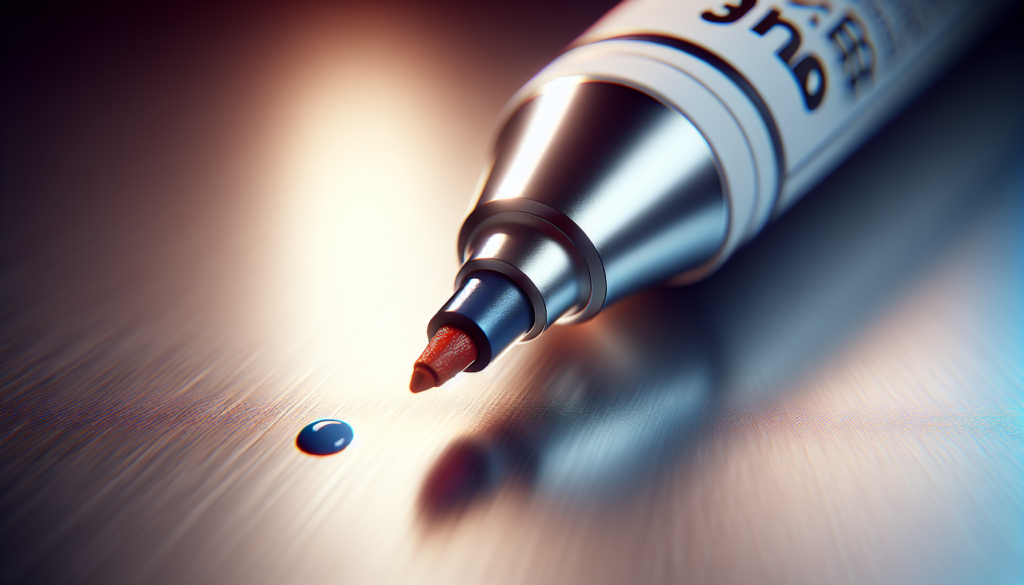
Paint markers are hand-held pens that dispense pigmented paint from a reservoir through a tip or nib, allowing precise application on a wide range of surfaces. You will find them favored by artists, crafters, sign-makers, and DIYers for their opacity, color intensity, and ease of use compared with brushes and jars.
How paint markers work
Paint markers contain a pigment or dye combined with a carrier or binder that keeps the ink flowable until applied to a surface, where solvents evaporate and the binder forms a film. You will notice that drying time, tack, and final hardness depend on the carrier and binder chemistry as well as environmental conditions.
Common marker components and terms you should know
Markers include tip types (bullet, chisel, brush), pigments, binders (acrylic, alkyd, epoxy), solvents (water, alcohol, or hydrocarbon), and additives (flow agents, UV stabilizers). You should be aware that “permanent” on a marker label generally refers to resistance to water and minor abrasion rather than absolute, irreversible permanence under all conditions.
Factors that determine permanence
Permanence is not a single property; it is the combination of adhesion, chemical resistance, lightfastness, and mechanical durability. You will need to consider multiple factors to assess whether a paint marker will remain unchanged over time on your chosen material.
Ink chemistry and binder type
The binder is the element that forms the final film; alkyds, acrylics, epoxies, and urethanes each produce films with different durability and adhesion. You should choose a chemistry recommended for your substrate because compatibility affects long-term adhesion and resistance to solvents.
Pigment quality and lightfastness
Lightfast pigments resist fading from UV and visible light exposure, while dyes can fade quickly. You must select markers with rated lightfast pigments if your work will be exposed to sunlight or bright artificial lighting to maintain color permanence.
Surface material and preparation
Porous surfaces absorb pigments and binders differently from nonporous ones, and contaminant-free substrates improve adhesion. You should always clean, degrease, and, when appropriate, sand or prime the surface before marking to maximize permanence.
Application, drying, and curing
Some markers form a surface-dry film quickly but require extended curing times to reach full hardness and chemical resistance. You will need to follow manufacturer instructions for drying time and allow additional curing time when the final application demands durability.
Environmental exposure: moisture, UV, chemicals, and wear
Permanence is reduced when your work is exposed to moisture, strong sunlight, or chemical exposure. You must consider whether the marked item will face outdoors, frequent handling, or contact with solvents and choose materials and protection accordingly.
Types of paint markers and how permanent they are
Different marker chemistries offer distinct trade-offs between opacity, drying speed, permanence, and surface compatibility. You should match marker type to your use case considering those trade-offs.
Acrylic paint markers
Acrylic markers use acrylic binders and water or alcohol carriers. You will gain good adhesion, excellent colorfastness with quality pigments, and relatively low VOCs, but acrylic films can be vulnerable to heavy abrasion unless sealed.
Oil-based enamel markers
Oil-based enamel markers create hard, glossy films that are chemically resistant and durable after curing. You should use these on metals, glass, and ceramics for high durability, but be mindful of stronger solvents and longer cure times.
Solvent-based (alcohol/ketone) paint markers
Solvent-based markers often offer rapid drying and strong adhesion to plastics and nonporous surfaces. You will see good initial permanence, though solvent-borne films can carry higher VOCs and require ventilation.
Epoxy and enamel hybrid markers
Markers that use epoxy or hybrid chemistries yield very tough films with superior chemical and abrasion resistance. You should reserve these for industrial or outdoor work where maximum durability is required and be prepared for higher cost and possibly longer cure requirements.
Water-based paint markers
Water-based markers are lower in VOCs and easier to clean while wet, making them attractive for indoor and educational use. You will get good ease of use, but without a proper seal, water exposure and abrasion can reduce permanence.
How different surfaces affect marker permanence
Surfaces play a major role in whether a marking will remain permanent. You should assess surface porosity, smoothness, contamination, and flexibility before selecting a marker.
| Surface | Typical adhesion | Expected permanence without seal | Recommended marker type | Notes |
|---|---|---|---|---|
| Metal (bare, painted) | Excellent with solvent/alkyd markers after prep | High on prepped/primed metal; moderate otherwise | Oil-based enamel, epoxy | Remove rust, clean with solvent, use primer for longevity |
| Glass | Moderate to good with solvent/alkyd or epoxy markers | Moderate; vulnerable to abrasion without seal | Oil-based enamel, epoxy | Surface is nonporous; roughening or using specialty glass primers improves adhesion |
| Plastics (PVC, polyethylene, polypropylene) | Variable; many plastics are challenging | Low-to-moderate unless plastic-specific markers or primers used | Solvent-based, alcohol-based, specialty plastic markers | Test adhesion; plasticizers can cause failure |
| Wood (raw) | Good; porous surface absorbs binder | High on sealed wood; moderate on raw wood (may penetrate rather than sit on surface) | Acrylic, water-based, oil-based | Sand and prime/seal for best results |
| Fabric | Good, but flexibility and wash resistance vary | Moderate without fabric-specific markers; improved with heat-set or textile medium | Fabric paint markers, pigment-based acrylic | Follow heat-set recommendations for washfastness |
| Paper and cardboard | Excellent with most markers | High for indoor display; can bleed through or feather on thin stock | Water-based, acrylic | Use appropriate paper weight and allow drying time |
| Ceramic and glazed pottery | Moderate on glazed surfaces | Moderate; can be durable after firing or sealing | Oil-based enamel, ceramic-specific markers, epoxy | For permanency in dishware, use kiln-firing or food-safe sealants |
| Concrete and masonry | Good to excellent when porous | High when sealed; otherwise subject to weathering | Acrylic, masonry-specific paint markers | Use masonry primer and sealer for permanent exterior work |
Metal
Metal often yields excellent permanence when properly cleaned and primed, particularly with alkyd or epoxy markers. You should remove rust, oil, and old coatings before applying markers to maximize adhesion.
Glass
Glass is nonporous, which can make wet adhesion difficult and film prone to chipping without proper preparation. You will get better results if you use markers formulated for glass or apply a primer and cure the ink where recommended.
Plastics
You will encounter variable results on plastics because some plastics resist adhesion due to low surface energy or migrating plasticizers. You should test markers on a discrete area or use adhesion promoters or specialty markers labeled for the specific plastic type.
Wood
Wood generally accepts paint markers well because of its porosity, but the results depend on the grain, prior finishes, and whether the surface is sealed. You must sand and optionally prime wood to reduce absorption and achieve consistent color and permanence.
Fabric
Fabric permanence requires flexibility and washfastness; many fabric markers are pigment-based and require heat-setting. You should follow manufacturer instructions for setting to ensure colorfastness during laundering.
Paper and cardboard
Paper accepts markers easily, but ink bleed and feathering depend on paper weight and sizing. You should use archival-quality paper for fine art to avoid long-term degradation or bleeding.
Ceramic and porcelain
Ceramics can hold marker ink, but repeated washing or contact may abrade the marks unless they are kiln-fired or sealed. You will require kiln-firing for dishware permanence or a food-safe epoxy for decorative pieces not intended for eating surfaces.
Concrete and masonry
Porous masonry will absorb binders and pigments, often resulting in durable marks after drying. You should seal exterior masonry to prevent weather-driven loss and efflorescence-related degradation.
How to maximize marker permanence
There are repeatable steps you can take to get the most durable results from paint markers. You should follow a combination of proper material selection, surface prep, and protective finishing.
Surface preparation essentials
Cleaning, degreasing, and smoothing are foundational steps that improve adhesion and appearance. You should remove oils, dust, oxidation, and loose particles using solvents, abrasive pads, or sanding as appropriate for the material.
Priming and adhesion promoters
Primers can bridge the chemistry gap between a challenging substrate and the marker film, providing mechanical and chemical bonds. You should choose primers compatible with both your substrate and the marker chemistry to ensure maximum adhesion.
Layering and multiple coats
Applying several thin layers instead of one thick coat helps reduce cracking, running, and uneven curing. You should allow each layer to dry or flash off per manufacturer guidance before applying subsequent layers to achieve a uniform, durable film.
Proper drying and curing
Follow specified drying and curing times and environmental conditions; some markers harden fully only after several days or with elevated temperatures. You must allow adequate time and conditions for the binder to crosslink or fully evaporate solvents to reach peak durability.
Using the correct marker for the task
Select markers whose chemistry and pigment characteristics match the environment and substrate of the finished work. You should choose heat-set fabric markers for textiles, enamel markers for metal and glass, and epoxy markers for industrial endurance.
Sealing and protective topcoats
When surface abrasion, moisture, or UV exposure is a concern, a compatible clear coat significantly extends the life of the marking. You should ensure the sealer is compatible chemically and flexible enough for the substrate and application.
Sealants and protective coatings: when and how to use them
Selecting the right protective coating is frequently the most important step in achieving permanence for marked surfaces. You should identify environmental stressors and choose a sealer designed to resist them.
Spray clear coats (acrylic, polyurethane)
Spray acrylic and polyurethane clear coats are easy to apply and provide abrasion and chemical resistance. You should test for compatibility—some solvent-based clears can soften or bleed certain marker films.
Brush-on varnishes and polyurethanes
Brush-on finishes allow thicker and more controlled protection than sprays but require attention to brush marks and leveling. You should apply thin, multiple coats and sand between coats if a smooth finish is required.
Epoxy and resin coatings
Epoxy coatings form thick, highly durable films that resist chemicals and abrasion, making them excellent for tabletops and industrial pieces. You should consider viscosity, cure time, and UV resistance; many epoxies amber over time unless formulated for UV stability.
Heat curing and bake-on finishes
Some markers and enamels achieve full hardness only after heat curing, which may involve oven baking or using a heat gun. You must follow manufacturer temperature limits closely to avoid substrate damage.
Food-contact and safety considerations for sealing
If the object will contact food, you must use food-safe, non-toxic sealants and processes. You should consult product data sheets and regulatory standards when creating items intended for food use.
Removing paint marker from surfaces
You will sometimes need to remove unwanted marks, and the success of removal depends on chemistry, surface, and how long the mark has cured. Prompt action generally makes removal easier.
Solvent-based removal options
Acetone, isopropyl alcohol, mineral spirits, and commercial paint strippers can dissolve many marker films. You should test solvents on an inconspicuous area first because they can damage paints, plastics, and finishes.
Mechanical removal
Sanding, scraping, or abrasion pads can remove marker films from robust surfaces like metal and wood. You must exercise caution to avoid damaging the substrate, especially with delicate finishes or thin materials.
Specialized removers
Graffiti removers and adhesive removers are formulated to break down complex binders and pigments. You should use them according to instructions and wear appropriate protective equipment when necessary.
Surface-specific removal advice
For glass, a razor blade and solvent often work; for fabric, pre-treatment with stain removers followed by laundering is common; for plastics, gentle solvents or sanding are safer. You should avoid harsh chemicals on flexible or painted plastics without prior testing.
Safety, health, and environmental considerations
Marker formulations vary widely in VOC content and toxicity, so you should always consult safety data sheets (SDS) and use appropriate precautions. Responsible handling will protect your health and the environment.
Ventilation and respiratory protection
Use good ventilation or respiratory protection when working with solvent- or epoxy-based markers, especially indoors. You should work outdoors or in a controlled ventilated area for prolonged projects using high-VOC markers.
Skin and eye protection
Wear nitrile gloves and eye protection when handling markers with strong solvents or reactive chemistries. You should avoid skin contact with uncured films and clean spills promptly.
Disposal and environmental considerations
Dispose of solvent-soaked rags and empty marker bodies according to local hazardous waste regulations. You should minimize waste by selecting low-VOC or water-based products for indoor and frequent use.
Practical tips for artists and DIYers
These practical tips will improve your chances of achieving durable, professional results with paint markers. You should adopt a testing mindset and document what works for repeatable outcomes.
- Test first: Always test markers on a scrap piece of the same material to verify adhesion, color, drying, and compatibility with sealers.
- Work in controlled conditions: Maintain moderate temperature and humidity to ensure predictable drying and curing.
- Use light layers: Build color with multiple thin layers rather than a single thick application to avoid cracking and long cure times.
- Match flexibility: For flexible materials like fabric or leather, use markers and sealers that remain flexible after curing.
- Label your work and materials: Keep notes about the exact marker model, color, and any primers or sealers used for later reproduction.
- Clean tips and caps: Prevent clogging by replacing caps promptly and storing markers tip-down when recommended.
Frequently asked questions (FAQ)
This section answers common practical questions you are likely to have when assessing marker permanence. You should find clear, actionable guidance for typical scenarios.
Are paint markers waterproof?
Many paint markers are water-resistant when fully cured, but few are completely waterproof without a compatible sealer. You should check product labels and perform a cure test before exposing marked items to sustained moisture.
Will paint markers wash out of clothes?
Standard paint markers can often be removed from fabrics if treated quickly, but pigments may set permanently after laundering or heat-setting. You should follow fabric marker instructions for heat-setting and laundering to achieve washfastness.
Can you use paint markers outdoors?
You can use some paint markers outdoors, particularly those with solvent or epoxy chemistries and UV-stable pigments. You should apply a UV-resistant clear coat for extended outdoor exposure to prevent fading and weathering.
How long does it take for a paint marker to become permanent?
Surface-dry times are typically minutes to an hour, but full curing can take 24 hours to several days depending on chemistry and film thickness. You must allow full cure for optimal chemical and abrasion resistance before exposing the piece to stress.
Are alcohol-based markers permanent?
Alcohol-based markers penetrate porous surfaces and dry quickly, offering good initial adhesion; however, they are not universally permanent and may be susceptible to solvents and abrasion. You should choose alcohol markers when quick drying and blending are priorities, and consider sealing for durability.
Can you seal over paint marker?
You can usually seal over paint marker, but the sealer must be chemically compatible and applied per manufacturer recommendations to avoid bleeding or softening. You should test sealing on a small area to ensure the marker film does not react adversely.
Choosing brands and products: what to look for
Selecting the right marker comes down to chemistry, pigment quality, tip type, and intended application. You should look for technical data sheets, user reviews, and sample tests rather than relying solely on marketing claims.
When to choose specialty markers
Choose specialty markers (glass, fabric, metal, or plastic-specific) for substrates known to challenge adhesion. You should expect specialty markers to include primer formulations or recommended pre-treatment steps.
Budget considerations
Higher-quality pigment and binder systems generally cost more but provide better lightfastness and durability. You should weigh the cost of a premium marker against the potential need to rework or reseal lower-cost results.
Eco-conscious options
Water-based and low-VOC marker lines are increasingly available for indoor or frequent use projects. You should prioritize these options for studio work or projects where ventilation is limited.
Troubleshooting common problems
Issues like smudging, cracking, flaking, or poor adhesion are common but solvable with methodical troubleshooting. You should identify root causes—substrate, marker chemistry, environmental conditions, or application technique—before making corrective choices.
Smudging and tacky films
If marks remain tacky, you may not have allowed sufficient drying or curing time and may need to ventilate or use heat gently to assist curing. You should avoid sealing or stacking pieces until the film is fully cured.
Cracking and flaking
Thick layers or incompatible substrate flexibility can lead to cracking; sanding and reapplication with thinner coats often resolves the issue. You should select flexible binders for elastic substrates to avoid film failure.
Fading and color loss
Fading typically results from poor pigment lightfastness or UV exposure; choose lightfast pigments and UV-resistant topcoats for longevity. You should also consider placing sensitive works out of direct sunlight whenever possible.
Summary and final recommendations
Paint markers can be effectively permanent when you match marker chemistry to substrate, prepare surfaces properly, allow full curing, and use compatible protective coatings where necessary. You should always test on the intended material, follow manufacturer instructions, and apply protective finishes for applications exposed to wear, moisture, or sunlight.
If permanence is critical for an outdoor, high-touch, or food-contact application, prioritize epoxy or enamel chemistries, appropriate primers, and durable sealants, and verify compliance with safety standards. You should document your successful combinations so you can replicate durable results with confidence.