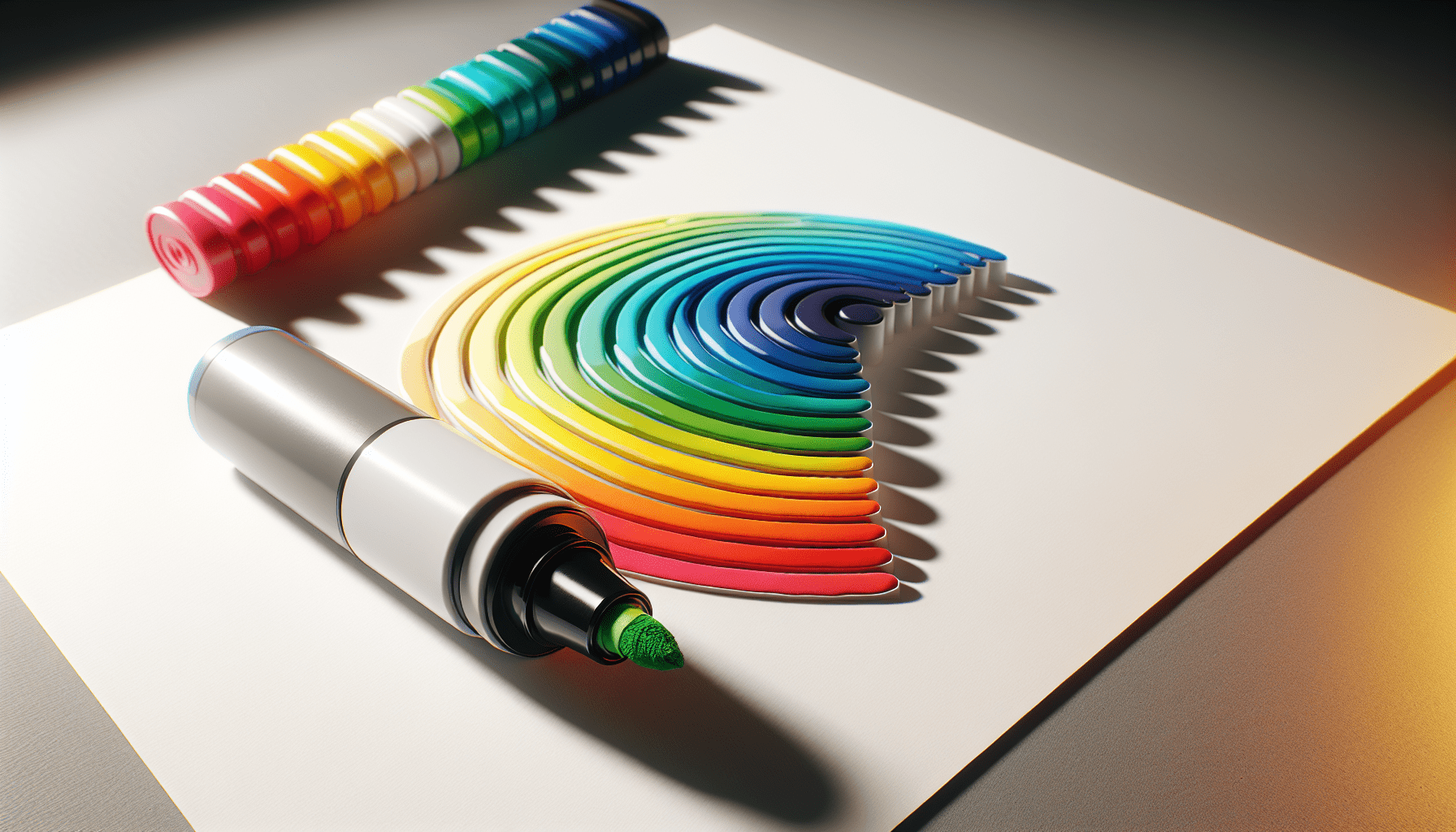
Have you noticed colors feathering or bleeding when you try to layer paint markers and wondered how to stop it?
How To Layer Colors With Paint Markers Without Bleeding
You will learn reliable methods to layer colors with paint markers so colors stay crisp and predictable. This guide gives practical steps, troubleshooting methods, and project examples so you can create clean, layered artwork on many surfaces.
Why bleeding happens with paint markers
Understanding why bleeding occurs will help you prevent it proactively rather than correcting mistakes afterward. Bleeding is usually the result of incompatible materials, excess solvent transfer, or improper surface preparation.
Ink composition and solvent compatibility
Paint markers use different carrier liquids and binders that interact differently with substrates and previously applied layers. When solvents from a fresh layer re-wet a previous layer, pigments can migrate and feather, producing bleed.
Surface absorbency and texture
Porous or highly textured surfaces will draw solvent away from the marker tip and into the material, causing color spread. Smooth, sealed surfaces tend to keep lines sharp because the ink sits on top rather than soaking in.
Marker tip and pressure
Marker tip type and the pressure you apply influence how much ink is deposited. Broad or soft tips and heavy pressure lay down larger volumes of solvent-rich ink that are more likely to re-activate underlying layers.
Environmental factors
Temperature, humidity, and airflow all affect drying and solvent evaporation rates. High humidity slows drying and increases the chance that subsequent layers will reactivate underlayers, causing bleeding.
Types of paint markers and how they behave
Not all paint markers are created equal, and the type you choose dictates how you should layer. Knowing marker chemistry helps you pick compatible products and predict drying and adhesion behavior.
| Marker Type | Carrier / Base | Bleed Tendency | Best Surfaces | Layering Notes |
|---|---|---|---|---|
| Water-based acrylic | Water | Low to medium, depending on absorbency | Canvas, paper (sealed), primed wood | Dries relatively fast; layers can re-wet if overapplied |
| Acrylic pigment (solvent-resistant) | Acrylic with additives | Low | Glass (primed), metal (primed), plastic (primed) | Good for layered work when surface is sealed |
| Oil-based / enamel | Oil or solvent | Low to medium | Metal, ceramics, wood | Longer open time; allow full cure before sealing |
| Solvent-based (industrial) | Strong solvents like xylene | Medium to high | Metal, glass, treated wood | Can re-wet underlayers; use sparingly and allow extended drying |
| Alcohol-based | Alcohol | High on porous surfaces | Plastics, coated metals | Fast dry but reactivation can occur on some pigments |
Choosing the right markers and colors
Selecting markers that are compatible with your surface and with each other will reduce bleeding risk significantly. You should always check manufacturer guidance for substrate compatibility and layering recommendations.
Opaque vs translucent colors
Opaque pigments provide better coverage over previous layers and reduce show-through, while translucent pigments are better for glazing effects but require careful control. If you intend to layer many colors, prioritize opaque markers for base layers and translucent ones for highlights or glazes.
Light over dark vs dark over light
Applying light colors over dark generally gives poor coverage unless you use an opaque white or high-opacity base. Plan your color order to minimize repeat passes and avoid heavy layering that increases solvent exposure.
Preparing surfaces for layering
Surface preparation is often the deciding factor between a crisp finish and bleeding. You must clean, prime, or seal surfaces according to material to create an optimal receiving layer for marker ink.
| Surface | Prep Steps | Recommended Primer / Sealer | Best Marker Type |
|---|---|---|---|
| Canvas (unprimed) | Sand lightly, apply gesso | Acrylic gesso | Acrylic paint markers |
| Canvas (primed) | Clean dust, optional light sanding | Existing primer | Acrylic or acrylic pigment markers |
| Wood (raw) | Sand smooth, remove dust, apply primer | Acrylic primer or shellac | Acrylic or oil-based markers |
| Metal | Clean oils/oxidation, sand, prime | Metal primer | Oil-based or industrial solvent markers |
| Plastic | Clean with isopropyl alcohol, scuff with fine sandpaper | Plastic primer or adhesion promoter | Alcohol or solvent-based markers labeled for plastic |
| Glass/Ceramic | Clean with solvent, apply bake-on primer if needed | Glass/ceramic primer | Enamel or paint markers designed for glass |
Testing and planning your layers
Testing is a non-negotiable step that saves time and materials. You should create a swatch board or test piece that replicates the intended surface and layering order before working on your final piece.
- Create a swatch sheet with the exact substrate and all markers intended for use.
- Test single strokes, cross-hatched layers, and full coverage passes to observe drying, opacity, and bleed.
Drying times and cure times
Dry time refers to surface dryness; cure time is when the film attains full hardness and solvent release ceases. You need to respect both; layering too early risks reactivation and bleeding, while sealing too soon can trap solvents and cause issues later.
| Marker Type | Typical Surface Dry Time | Handle / Layer Time | Full Cure Time |
|---|---|---|---|
| Water-based acrylic | 10–30 min depending on layer thickness | 15–60 min | 24–72 hours |
| Enamel / oil-based | 30 min to several hours | 1–24 hours | 3–7 days |
| Solvent-based industrial | 5–30 min | 10–60 min (varies) | 24–72 hours |
| Alcohol-based | <1–10 min< />d> | 5–30 min | 24–48 hours |
Note: Dry and cure times vary by temperature, humidity, and layer thickness. When in doubt, allow more time.
Layering techniques that prevent bleeding
You will prevent most bleeding by combining appropriate drying times, thin applications, and surface preparation. Use layering strategies that minimize solvent contact with previously applied paint.
Wet-on-dry layering
Wet-on-dry means applying a fresh layer only after the previous layer is fully dry to the touch and, ideally, mostly cured. This is the most reliable method for crisp, non-bleeding edges.
Thin glazing layers
Apply many thin, translucent layers instead of heavy coats to control solvent load and avoid re-wetting underlying paint. Thin glazing gives subtle color shifts while lowering bleed risk because each layer uses less solvent.
Masking and stencils
Using masking tape, frisket, or adhesive stencils gives you mechanical barriers that prevent feathering along edges. You should remove masks carefully after underlayers are dry to avoid pulling up paint or creating jagged edges.
Resist techniques and barriers
Applying a thin resist layer like a clear acrylic medium or a spray fixative between layers can create a barrier that prevents solvent migration. These barriers need to be compatible with both the marker inks and the final sealer.
Using sealers between layers
Applying a thin, compatible sealer (such as an acrylic medium or clear coat) between major color shifts will lock previous layers and reduce reactivation. You must ensure the sealer dries fully and is compatible with the markers you plan to use on top.
Application tips: stroke, pressure, and tip control
You should use deliberate strokes and consistent pressure to control ink volume and prevent oversaturation. Lighter pressure and multiple passes often produce cleaner, more controlled results than heavy single strokes.
- Use the smallest tip that achieves the desired coverage for better control.
- Maintain a consistent angle and speed to prevent blobs and uneven solvent application.
- Keep multiple marker tips for color mixing and reserve fresh tips for edges where precision is needed.
Working with metallics, fluorescents, and glitters
Specialty pigments behave differently and often have unique binders that influence layering. You should test layering behavior with metallics and fluorescents because they may be less opaque or more binder-sensitive.
- Metallic pigments often sit on the surface and may require a different sealer to prevent smearing.
- Fluorescent inks can be translucent and require careful base layers for vibrancy.
- Glitter markers may contain particles that interfere with adhesion; apply sparingly and seal when dry.
Advanced techniques: gradients, blends, and smooth transitions
Advanced layering allows you to create gradients and blends without bleeding by controlling solvent exposure and using intermediary layers. You will need both patience and practice to achieve smooth transitions.
Controlled blending with solvents
When blending, you may use a compatible solvent or blending medium applied sparingly to soften edges and create gradients. Use a brush or blending pen to move pigment rather than over-applying the marker itself.
Feathering and hatch layering
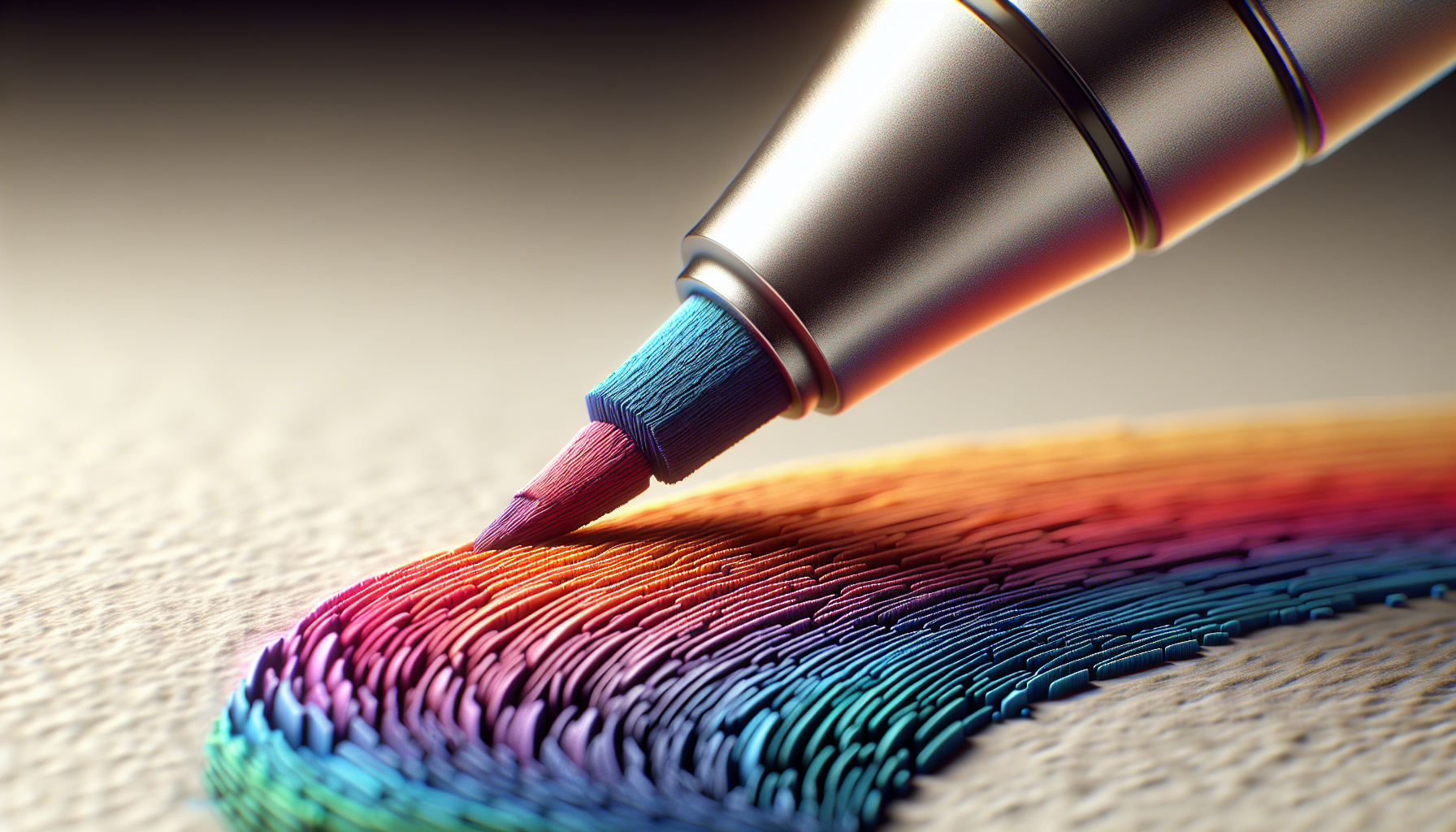
Feathering with short, overlapping strokes reduces solvent concentration in any single area and helps you achieve smooth transitions without re-wetting underlying layers. Hatch layering builds value and color gradually, which lowers bleed risk.
Scumbling and stippling for texture
Scumbling and stippling create texture with minimal solvent pooling, making them safe choices on surfaces prone to bleeding. These techniques also let you build depth while maintaining crisp edge control.
Troubleshooting common bleeding problems
When bleeding happens, diagnosing the cause quickly will let you salvage work and prevent repeat occurrences. You should look for common patterns such as feathering along edges, haloing, or lifting of underlying layers.
| Problem | Likely Cause | Recommended Fix |
|---|---|---|
| Feathered edges | Surface absorbing too much solvent | Seal or prime surface; use thin layers and allow longer drying |
| Color migration under edges | Re-wetting by fresh solvent | Use barrier coat or wait longer; use less solvent-rich passes |
| Blotchy spots | Uneven application / tip overload | Blot excess ink with clean tissue; thin subsequent layers and test |
| Lifted underlayer | Mask removal or aggressive solvent | Allow full cure before removing masks; use gentler solvent or seal before masking |
| Dull color after sealing | Incompatible sealer | Test sealer first; choose sealer recommended for marker chemistry |
Sealing and finishing layered paint marker work
Sealing is the final defense against smudging, environmental damage, and unintended mix of layers. You should select a sealer compatible with your marker chemistry and intended use (indoor vs outdoor).
- Clear acrylic sprays are commonly used for acrylic markers but test for yellowing and compatibility.
- Polyurethane or two-part epoxies work well for durable surfaces like wood and metal but require full cure before application.
- Apply sealers in thin, even coats and avoid heavy coatings that might reactivate or dissolve underlying paint.
| Sealer Type | Best For | Notes |
|---|---|---|
| Acrylic spray (matte/satin/gloss) | Acrylic markers on canvas, wood | Quick and user-friendly; test for compatibility |
| Polyurethane (water & oil-based) | Wood, outdoor items | Durable, but some solvents can cloud or react with pigments |
| Epoxy resin | High-traffic items, bar tops | Provides thick, glossy finish; requires long cure time |
| PVA/Varnish | General art protection | Versatile; choose non-yellowing formula for longevity |
Caring for markers to maintain consistent layers
Proper marker maintenance influences marker output and consistency, which in turn affects layering quality. You should store markers horizontally when recommended, cap them tightly, and clean tips as needed.
- Shake or pump markers according to manufacturer instructions to keep pigments suspended.
- Replace tips that are frayed or clogged to maintain precision.
- Store markers away from extreme heat or freezing cold, which can change viscosity and flow.
Project examples with step-by-step layering process
Working through concrete projects will help you apply the techniques described and build confidence. Each example below gives you a clear plan for surface prep, layering order, drying times, and finishing.
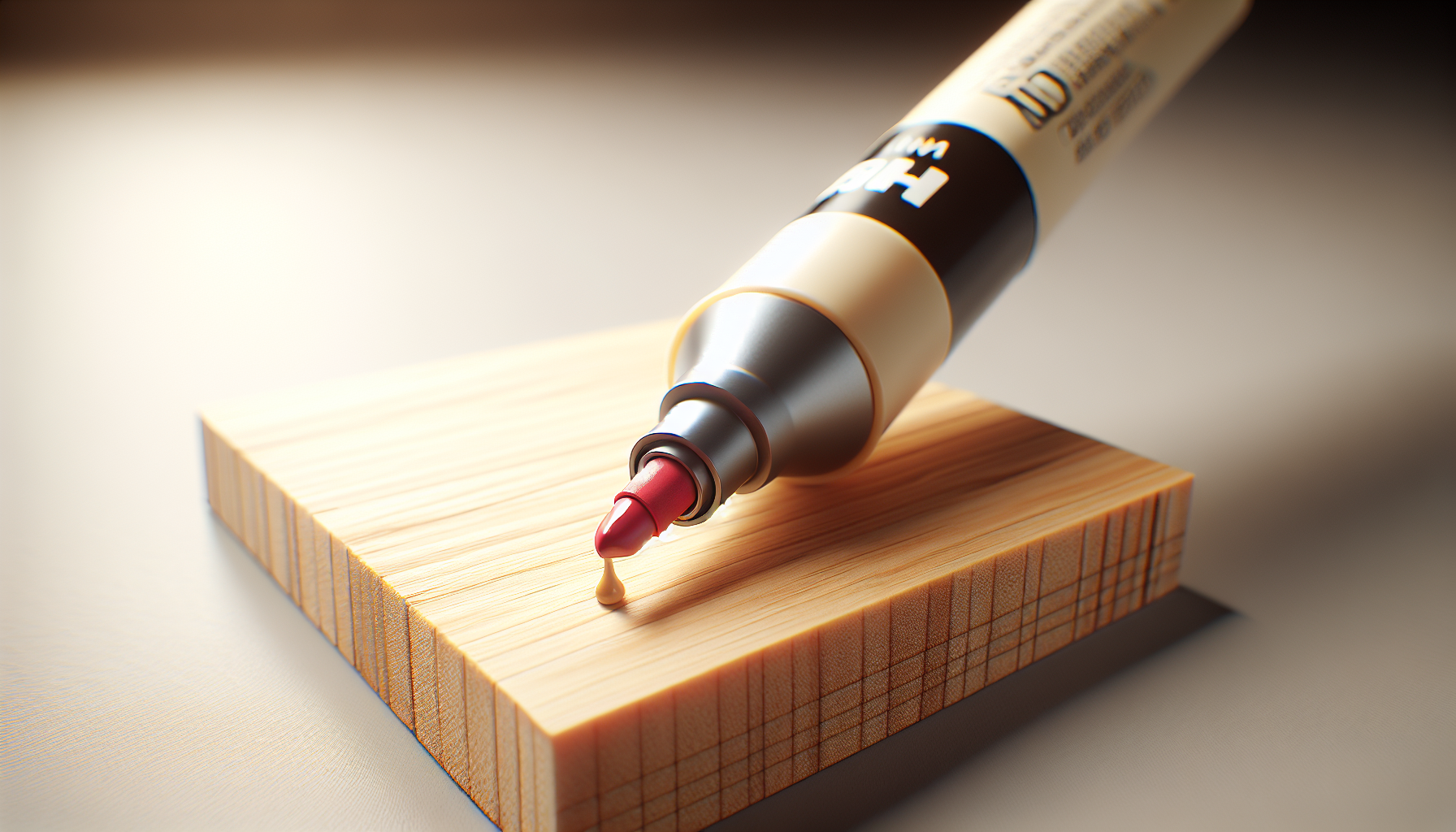
Project 1 — Custom wooden sign with layered graphics
You will create a crisp multi-color sign on a sealed wood board with minimal bleeding.
- Sand wood smooth, remove dust, apply two coats of acrylic primer and sand lightly between coats.
- Apply a base coat of opaque acrylic marker or paint and allow 24 hours to cure fully.
- Use masking tape and stencils to define graphics, ensuring edges are firmly sealed to the wood.
- Apply your mid-tones first using thin layers, allow 30–60 minutes between passes, and let each color dry to the touch.
- Remove mask after base colors are dry, then apply highlights and linework with a fine-tip marker.
- When all layers are dry and cured, spray with a thin coat of non-yellowing acrylic sealer, wait, then apply a second coat as needed.
Project 2 — Personalized metal water bottle design
You will apply layered metallic and opaque details to a pre-treated metal water bottle.
- Clean bottle thoroughly with isopropyl alcohol and sand very lightly.
- Apply a high-quality metal primer; allow full cure as per product instructions.
- Sketch design with a pencil or removable marker and plan color order, placing non-solvent-sensitive colors first.
- Use solvent- or enamel-based markers designed for metal, applying thin coats and allowing at least 1–2 hours between layers.
- When final layer is fully cured, bake or air-cure if recommended by marker manufacturer, then apply a compatible clear coat for protection.
Project 3 — Layered effects on primed canvas
You will create a multi-layered painting with glazes and opaque highlights on primed canvas.
- Prime canvas with acrylic gesso and sand lightly when dry.
- Lay down a tonal underpainting with diluted acrylic marker or paint to establish values; allow it to dry for several hours.
- Build translucent glazes using thinned marker ink or glazing medium, applying thin washes and letting each dry.
- Add solid opaque forms and linework with pigment-rich markers, waiting until glazes are completely dry.
- Finish with a matte or satin varnish after full cure to protect the layered structure.
Safety and ventilation recommendations
You should always use adequate ventilation, especially with solvent-based and industrial markers, to avoid inhalation of volatile organic compounds. Wear nitrile gloves and eye protection when handling strong solvents, and follow local disposal regulations for solvent waste.
Frequently asked questions
You will find answers to common questions that often come up when working with paint markers and layered techniques. Each answer includes practical steps you can apply immediately.
How long should I wait between layers to avoid bleeding?
Wait until the layer is dry to the touch and, ideally, partially cured. For water-based acrylics this can be 15–60 minutes for light layers and up to 24 hours for thicker layers, while solvent and oil-based markers may require 1–24 hours depending on formulation.
Can I layer different marker brands together?
You can, but you must test compatibility first because different brands may use different solvents and binders. Perform a swatch test to check adhesion and whether solvents from the new brand will re-wet previous layers.
What is the best method to correct bleeding after it happens?
If bleeding is fresh, blot excess carefully with a clean, lint-free tissue and allow to dry, then seal the area and rework edges. For dried bleed, you may sand the area lightly (on rigid surfaces), re-prime, and repaint, or use precise masking and overlay the area.
Is spraying a sealer over fresh layers risky?
Yes, if layers haven’t cured the sealer can trap solvents or cause reactivation, changing texture or causing bloom. Always check manufacturer recommendations and perform a test spray on a swatch before applying to your final piece.
How can I maintain bright whites over dark backgrounds?
Use a high-opacity white paint marker or build up multiple thin opaque white layers, allowing sufficient drying time between passes. Alternatively, use a white primer or base layer where the white will be most concentrated.
Final tips and best practices
You should always plan your color order and test on identical materials before committing to a final piece. Patience, thin applications, and appropriate sealing are the most consistent ways to prevent bleeding and produce professional results.
- Keep a small test board for every project and label the marker brands and drying times used.
- Build layers slowly and allow each layer to dry fully; fast results often produce bleeding.
- Maintain good ventilation and follow safety instructions for solvents and sealers.
You now have a comprehensive set of strategies, practical steps, and troubleshooting tools to layer colors with paint markers confidently and without bleeding. Apply these methods consistently and refine your workflow through systematic testing to achieve reliable, clean, and professional layered work.