?Want to make rock art with paint markers that stays crisp and smear-free every time?
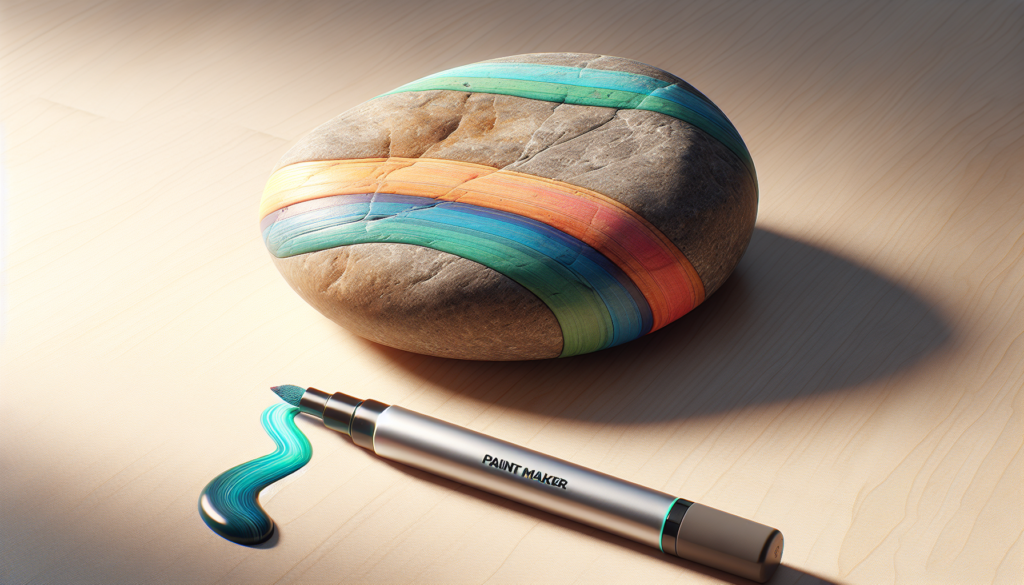
How To Use Paint Markers On Rocks Without Smearing
This guide gives you a step-by-step, professional approach to using paint markers on rocks so your designs remain clean, vibrant, and durable. You will learn material selection, surface preparation, application techniques, sealing methods, troubleshooting, and maintenance tips that prevent smearing at every stage.
Why smearing happens and how to avoid it
Understanding the causes of smearing helps you prevent it proactively. Smearing typically occurs because of improper surface preparation, wrong marker type, insufficient drying time, or incompatible sealants. By addressing each variable, you can create stable, long-lasting designs.
The basics: what you need and why
Before you begin, gather the right tools and materials. Choosing appropriate markers, cleaning agents, abrasives, and sealants reduces the risk of smearing and improves adhesion. The sections that follow explain why each item matters and how to select the best option for your project.
Essential supplies list
You should have the following items on hand to achieve the best results:
- Paint markers (several nib sizes and brands)
- Rubbing alcohol or mild detergent
- Soft brushes and microfiber cloths
- Sandpaper (various grits) or scouring pads
- Primer (optional, depending on stone)
- Masking tape or stencils
- Sealant (spray and/or brush-on)
- Gloves and protective mask for sealant spraying
Having these materials ensures you can prepare the surface, apply your design, protect the finished piece, and handle mistakes without causing smears.
Choosing the right paint markers
Selecting markers designed for use on nonporous and porous surfaces prevents ink migration and ensures color opacity. Markers vary in chemistry, permanence, and tip type.
Marker types and characteristics
You should choose markers based on the medium and finish you want. Below is a table comparing common marker types and how they perform on rocks.
| Marker Type | Base/Ink Chemistry | Best For | Durability | Smear Risk |
|---|---|---|---|---|
| Acrylic paint markers | Water-based acrylic paint | Most rock surfaces, opaque coverage | High when sealed | Low to moderate until sealed (needs drying) |
| Oil-based paint markers | Solvent-based paint | Very durable, glossy finish | Very high | Low when fully cured; can be tacky initially |
| Water-based pigment markers | Water-soluble pigments | Fine lines, temporary projects | Moderate | Higher; absorb into porous stone unevenly |
| Alcohol-based markers | Alcohol solvent dyes | Quick technique sketches, blending | Low to moderate | High—prone to bleeding on porous rock |
| Permanent ink markers (e.g., Sharpie) | Alcohol or oil-based inks | Quick markings, outlines | Moderate | Moderate; may fade outdoors |
Choose acrylic or oil-based paint markers for best long-term results on rocks. Water-based and alcohol markers are useful for practice or ephemeral uses but carry higher smear risk.
Nib sizes and tips
You will choose from fine, medium, broad, bullet, chisel, and brush tips. Fine and bullet tips give control for details, while chisel and broad tips cover large areas faster. Brush tips mimic paintbrush strokes and are excellent for calligraphy and blending. Use tougher nibs on coarse stone surfaces to avoid fraying.
Selecting and preparing rocks
The rock you choose has a large influence on adhesion and drying. Smooth, dense stones often yield the best results. Preparation improves marker performance and minimizes smearing.
Which rocks work best
You should prefer rocks that are:
- Smooth or slightly textured (river rocks, slate, or polished stones)
- Dense and non-porous to limit ink absorption
- Free of loose particles, debris, or algae
Porous rocks like sandstone or pumice absorb marker paint unevenly and require more preparation and sealing.
Cleaning the surface
Cleaning removes dust, oils, and organic residues that prevent the paint from bonding. Use the following steps:
- Rinse the rock under clean water to remove loose dirt.
- Use a soft brush and mild detergent, or 70% isopropyl alcohol, to remove oils and residues.
- Rinse thoroughly and dry completely with a microfiber cloth.
Always ensure the rock is totally dry before proceeding; moisture traps paint solvents and increases smear potential.
Smoothing and sanding
Sanding creates a uniform surface and helps paint adhere, particularly on very rough or porous stones.
- Start with a coarser grit (120–220) to remove large irregularities.
- Finish with a finer grit (320–600) to smooth the surface for detailed work.
- Wipe down with a damp cloth and allow to dry before applying any primer or paint.
Sanding can also expose fresh stone, improving primer adhesion. Wear a dust mask while sanding.
Priming (when and why)
Priming is optional but recommended for porous stones or when using translucent markers. A thin coat of acrylic gesso or multi-surface primer:
- Seals pores to prevent paint bleed
- Provides a uniform base color
- Reduces ink absorption and feathering
Apply primer in thin, even layers and allow the manufacturer’s recommended drying time. Sand lightly between coats for an ultra-smooth base.
Application techniques to prevent smearing
Application technique determines how well the paint adheres while drying. Proper strokes, layering, and drying strategies reduce smear risk.
Planning your design
You should plan your composition and color order before touching the rock. Consider painting light colors first and darker accents later, but test on a scrap rock as some markers layer differently. Use pencil or chalk to lightly sketch outlines or use removable masking methods.
Working from background to details
Start by filling large background shapes then progress to midtones and fine details. This approach minimizes accidental smudging of fresh detail work when you need to rest your hand or reposition the rock.
Applying thin layers
Apply paint in thin, controlled layers. Thick applications take much longer to dry and are more prone to smearing. Thin layers help you build opacity and reduce tackiness. Allow each thin layer to dry to the touch before adding another.
Stroke technique
Use consistent pressure and direction when drawing lines. For fine work:
- Use the marker’s tip angle to control line width.
- Keep your hand steady and support it on a clean, dry surface rather than the rock itself to avoid touching wet paint.
- When moving across painted areas, lift the marker slightly and move without dragging across the surface.
For large fills, use broad, even strokes, letting each pass dry slightly before overlapping.
Using stencils and masking
Stencils and masking tape help you create crisp edges without freehand smudging. Apply stencil adhesive lightly so it doesn’t leave residue. When removing masking tape, pull slowly at a low angle away from painted areas to prevent lifting.
Managing drying, curing, and tackiness
Drying and curing times determine when paint is safe from smearing. You should understand the difference between dry-to-touch and fully cured.
Dry-to-touch vs. fully cured
- Dry-to-touch: Surface feels dry but underlying layers are still soft. Usually occurs within minutes to hours.
- Fully cured: Paint has reached maximum hardness and solvent content has evaporated; this can take hours to days depending on paint type.
Never seal or handle pieces aggressively until paint has cured sufficiently for your chosen sealant.
Factors influencing drying time
Drying time varies with:
- Marker chemistry (acrylic vs. oil)
- Layer thickness
- Ambient temperature and humidity
- Rock temperature and porosity
Use the table below to estimate drying and curing times.
| Marker Type | Dry-to-Touch | Fully Cured (typical) | Notes |
|---|---|---|---|
| Acrylic paint marker | 10–60 minutes | 24–72 hours | Faster in warm, low-humidity conditions |
| Oil-based paint marker | 1–8 hours (tacky) | 7–14 days | Longer curing; avoid sealing until tack-free |
| Water-based pigment | 5–30 minutes | 24–48 hours | Absorbs into porous stone; may require primer |
| Alcohol-based markers | 1–10 minutes | 24–48 hours | Fast evaporation but can feather on porous surfaces |
Plan your workflow to allow sufficient cure time between layers and before sealing.
Speeding up drying safely
You can accelerate drying without causing smears by:
- Working in a warm, dry environment (avoid direct sunlight that can cause cracking)
- Using a fan to provide gentle air movement
- Applying thinner layers to reduce solvent content
Avoid heat guns or direct high heat that can blister or crack paint.
Choosing and applying sealants
Sealing locks the design in place and protects it from moisture and abrasion. Selecting the correct sealant and applying it properly is one of the most important steps to prevent smearing post-application.
Sealant types and properties
Sealants vary in finish, durability, and compatibility with marker paints. The table below compares common options.
| Sealant Type | Solvent Base | Finish Options | Best Use | Smear Risk |
|---|---|---|---|---|
| Acrylic spray sealer | Water-based | Matte, satin, gloss | Most acrylic markers | Low if fully dry |
| Solvent-based clear coat (spray) | Solvent (e.g., lacquer) | Gloss, satin | Durable outdoor protection | Moderate; may react with some markers if applied too soon |
| Brush-on acrylic varnish | Water-based | Matte, gloss | Controlled application, small areas | Low if cured |
| Epoxy resin | Two-part resin | High gloss | Very durable, thick coating | Low if markers fully cured; may dissolve uncured paint |
| Polyurethane (spray/brush) | Water or oil-based | Satin, gloss | Outdoor durability | Moderate; solvent-based versions can lift some inks if not cured |
Choose a sealant compatible with your marker chemistry and allow adequate drying/cure time before application.
How to test compatibility
Before sealing your main piece, always test on a scrap rock or an inconspicuous area. Apply a small amount of sealant over the marker paint and observe for:
- Color change or lifting
- Tackiness
- Running or bleeding
If you see adverse reactions, allow more cure time or try a different sealant.
Best practices for sealing
Follow these steps to seal without smearing:
- Ensure the paint is fully cured per manufacturer recommendations.
- Work in a clean, dust-free environment.
- Apply sealant in thin, even coats; multiple thin coats are better than a single heavy coat.
- Maintain recommended spray distance for spray sealants to avoid pooling.
- Allow each coat to dry completely before applying the next.
- For brush-on products, use a high-quality brush and avoid over-brushing.
When using solvents or spray sealants, wear appropriate PPE and ventilate the workspace.
Troubleshooting common smearing problems
Even with caution, problems can occur. Troubleshooting helps you correct issues and prevent recurrence.
Problem: Smearing while painting
- Cause: Paint applied too thickly, inadequate drying time between layers, or oil on the rock.
- Solution: Sand or gently remove the smudged area with rubbing alcohol and a cloth if the marker is water or alcohol based; for acrylic, scrape lightly after it dries and repaint in thin layers. Re-clean and prime if oil contamination was the issue.
Problem: Smearing after sealing
- Cause: Sealant reacted with uncured paint or solvent-based sealer dissolved marker binder.
- Solution: Remove the sealant and re-evaluate cure time. Use an appropriate removable solvent for the sealant (test first), then allow paint to cure fully and select a compatible sealant (prefer water-based acrylic sealer for acrylic paints).
Problem: Bleeding and feathering on porous stone
- Cause: Ink wicking into the stone.
- Solution: Sand and prime the surface before repainting. Use acrylic gesso or a multipurpose primer to block pores.
Problem: Colors lifting or flaking over time
- Cause: Poor adhesion due to inadequate surface prep or incompatible materials.
- Solution: Remove affected layers, properly prepare the surface, and reapply using suitable markers and primer. Finish with a durable sealant.
Below is a troubleshooting table to help you diagnose common issues quickly.
| Symptom | Likely Cause | Immediate Fix | Long-term Prevention |
|---|---|---|---|
| Smear while painting | Wet paint, wrong technique | Blot and let dry; sand and repaint | Thin layers, allow drying, use supports to avoid touching |
| Smear after seal | Uncured paint or reactive sealer | Remove sealant; let paint cure | Test sealant; follow cure times |
| Feathered edges | Porous stone | Sand and prime | Prime porous stones; use appropriate markers |
| Paint flaking | Poor adhesion | Remove flaking paint, reprepare | Clean, sand, prime, seal |
Advanced techniques to minimize smears and create effects
Cross-apply methods to both beautify and protect your work while avoiding smearing.
Layered glazing
You can use translucent marker layers to build depth. Apply very thin, semi-transparent layers and allow full drying between each. This approach prevents tackiness and reduces smear risk while producing rich color effects.
Using solvent blending with control
Some markers can be blended using a compatible solvent or blender pen. To avoid smearing:
- Work on a sealed test rock to learn behavior.
- Apply solvent sparingly and incrementally.
- Confine blending to fully dry underlying layers.
Working with stencils and multi-surface adhesives
When using stencils, apply repositionable spray adhesive lightly to prevent paint seepage under the edges. Remove stencils while the paint is tacky but not soaking wet to achieve sharp lines without lifting.
Combining markers with acrylic paint
Markers can augment brush-applied acrylics. Allow acrylic paint to cure fully before using markers on top to prevent solvent interactions. For best adhesion, use a locked-down acrylic polymer medium as an intermediary layer.
Safety, cleanup, and proper storage
You should consider safety and storage to keep materials effective and your workspace safe.
Personal protective equipment (PPE)
- Wear nitrile gloves when working with solvent-based markers or sealants.
- Use a respirator or mask rated for organic vapors when spraying or using strong solvents.
- Ensure good ventilation.
Cleaning tools and accidental spills
- Clean nibs or tools with manufacturer-recommended solvents; water for water-based markers, isopropyl alcohol for alcohol-based markers, and mineral spirits for some oil-based products.
- Wipe spills quickly with absorbent cloth and dispose of rags safely (some solvents are flammable).
Storage of markers and sealants
- Store markers horizontally for even ink distribution.
- Cap markers immediately after use to prevent drying.
- Keep sealants in a cool, dry place; follow shelf-life recommendations.
- Label containers and keep away from direct sunlight and extreme temperatures.
Maintenance and care for finished rock art
Protect your finished pieces to keep them smear-free and vibrant over time.
Indoor vs. outdoor display
If you plan to display rocks outdoors, choose outdoor-rated markers and high-durability sealants like UV-resistant acrylic sprays or outdoor polyurethane. Indoor pieces fare well with standard acrylic sealers.
Periodic resealing
Over time, sealants can degrade. Inspect pieces annually for wear, and reapply a thin coat of sealer if you notice dulling or surface changes. Always clean the rock gently before resealing.
Cleaning finished pieces
Dust finished rocks with a soft cloth. Avoid abrasive cleaners and harsh solvents that can damage sealants. Use mild soap and water for gentle cleaning.
Frequently asked questions (FAQ)
You should read these concise answers to common concerns when working with paint markers on rocks.
How long should I wait before sealing my rock?
Wait until the paint is fully cured, not just dry-to-touch. For acrylic markers, allow at least 24–72 hours. For oil-based markers, wait 7–14 days or until tack-free. Always confirm with a small test before sealing the entire piece.
Can I use the same sealant for all marker types?
Not necessarily. Water-based acrylic sealants are generally safe for acrylic markers. Solvent-based sealants may react with some markers if applied too soon. Test compatibility on a scrap rock.
How do I fix smears without starting over?
If recently smeared, try blotting excess immediately for water or alcohol-based markers. For cured smears, lightly sand the area, clean, and repaint. For sealant-induced smears, carefully remove the sealant layer and address paint cure before resealing.
Are paint pens waterproof?
Many brands advertise waterproof performance when fully cured and sealed. Confirm product specifications and test in your intended conditions.
Quick reference tables
Use the following quick-reference tables as a practical aid during your projects.
Drying and cure quick guide
| Material | Minimum time before handling | Safe to seal (minimum) |
|---|---|---|
| Acrylic marker thin layer | 10–60 min | 24 hours |
| Acrylic marker multiple layers | 1–3 hours between layers | 48–72 hours |
| Oil-based marker | 1–8 hours (tacky) | 7–14 days |
| Water-based pigment | 5–30 minutes | 24–48 hours |
Sealant selection guide
| Scenario | Recommended Sealant | Why |
|---|---|---|
| Indoor decorative rock | Water-based acrylic spray | Fast, low odor, compatible with acrylic markers |
| Outdoor rock art | UV-resistant acrylic or outdoor polyurethane | Durability and UV protection |
| Gloss, high-luster finish | Two-part epoxy resin | Thick, glass-like finish and high durability |
| Quick small pieces | Brush-on acrylic varnish | Controlled application and quick touch-ups |
Final checklist before you start
Use this checklist to reduce smearing risks before beginning your project:
- Choose appropriate markers for your stone.
- Clean and dry the rock thoroughly.
- Sand and prime porous stones.
- Plan your design and color order.
- Work in thin layers, allowing full drying between coats.
- Test sealant compatibility on a scrap rock.
- Allow full cure before sealing.
- Seal with a compatible product in thin coats.
- Store and display with care.
Conclusion
You can achieve crisp, smear-free rock art by controlling variables: select the right markers, prepare the rock surface thoughtfully, apply paint in thin, deliberate layers, allow proper cure times, and use compatible sealants. Testing materials on a scrap rock, applying careful technique, and following the safety and cleanup guidance will help you create durable, professional-looking pieces that retain their appearance over time.
If you follow these methods, you will significantly reduce the chance of smearing and improve the longevity and appearance of your painted rock projects.