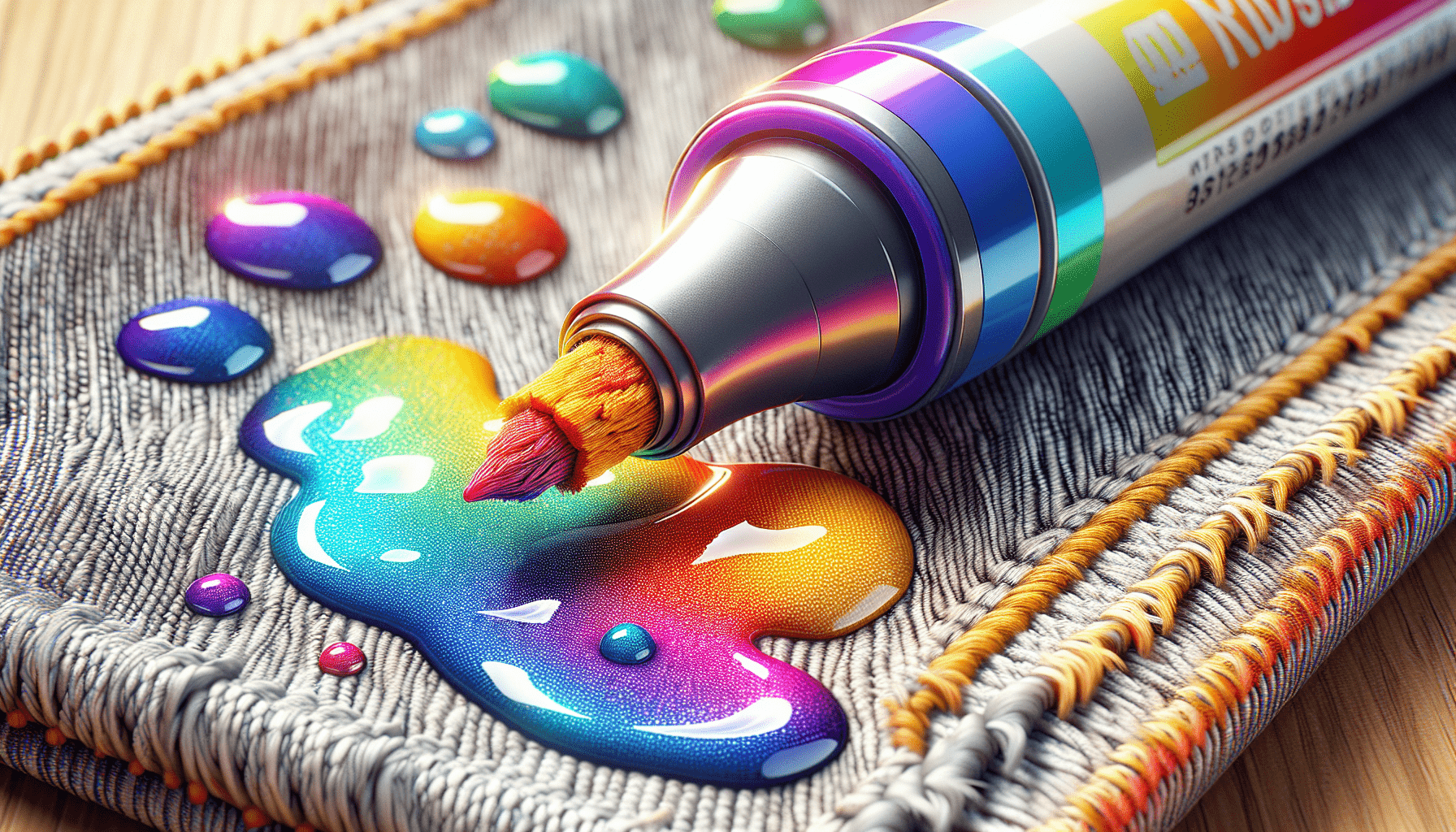
?Which surfaces will give you consistent, durable, and visually pleasing results when you use paint markers?
Best Surfaces To Use With Paint Markers
You rely on paint markers when you need crisp lines, quick coverage, or permanent markings on a variety of materials. This guide explains which surfaces work best with paint markers, how to prepare each surface, what marker types to choose, and how to seal and preserve your work for the intended application.
How paint markers work
Paint markers deposit pigmented or opaque paint through a nib driven by either a pump-action reservoir or capillary flow. They differ from standard permanent markers because the medium is typically heavier-bodied (acrylic, oil-based, or enamel), which provides better opacity and durability.
You should understand the ink chemistry and tip construction to match marker performance to the surface. That knowledge helps you avoid adhesion failures and achieve the finish you expect.
Common paint marker formulas
There are several core formulations you will encounter: acrylic-based, oil-based/enamel, and solvent-based. Each has different drying times, flexibility, and adhesion properties.
Acrylics dry fairly quickly and are water-resistant once cured. Oil-based and enamel markers often provide greater durability on nonporous surfaces but can require more ventilation. Solvent-based markers offer excellent adhesion to plastics and metals but may soften some polymers.
Tip styles and their influence on results
Tips come as fine points, bullet tips, chisel tips, and brush tips. The tip affects the line width, control, and application speed. Choose a tip that matches the level of detail or coverage you need.
Fine tips are best for detailed work and lettering, while chisel and brush tips provide broader coverage and expressive strokes.
Key factors in choosing the right surface
The best surface for your paint markers depends on several factors: porosity, smoothness, flexibility, exposure to elements, and intended longevity. Assess each of these before you start.
You will get different results on porous surfaces like raw wood versus nonporous surfaces like glass. Surface preparation is often more important than the surface itself for reliable adhesion.
Porous vs nonporous surfaces
Porous surfaces absorb paint, which can cause bleeding but improves mechanical adhesion. Nonporous surfaces offer smooth application but require primers or abrasive preparation to ensure long-term adhesion.
You should match marker type to surface porosity and use primers where necessary to enhance bond strength and durability.
Best surfaces to use with paint markers
Below are the surfaces that generally yield the best results with paint markers, along with practical tips for preparation and sealing.
Glass
Glass is nonporous and requires markers formulated for glass or permanent solvent- or oil-based markers that bond to slick surfaces. Use alcohol or acetone to clean the glass thoroughly, removing oils and residues.
For long-term use, cure painted glass according to marker instructions or apply an appropriate clear ceramic or glass sealer. For functional items like drinkware, look for markers and curing processes that are food-safe or recommend handwashing only.
Metal
Metal is another nonporous surface that takes well to enamel and solvent-based paint markers. Clean the metal with a degreaser, sand lightly with fine-grit sandpaper to create micro-etching, and use primers when possible.
You should consider topcoats for outdoor metal applications to prevent oxidation and chipping.
Wood (sealed vs raw)
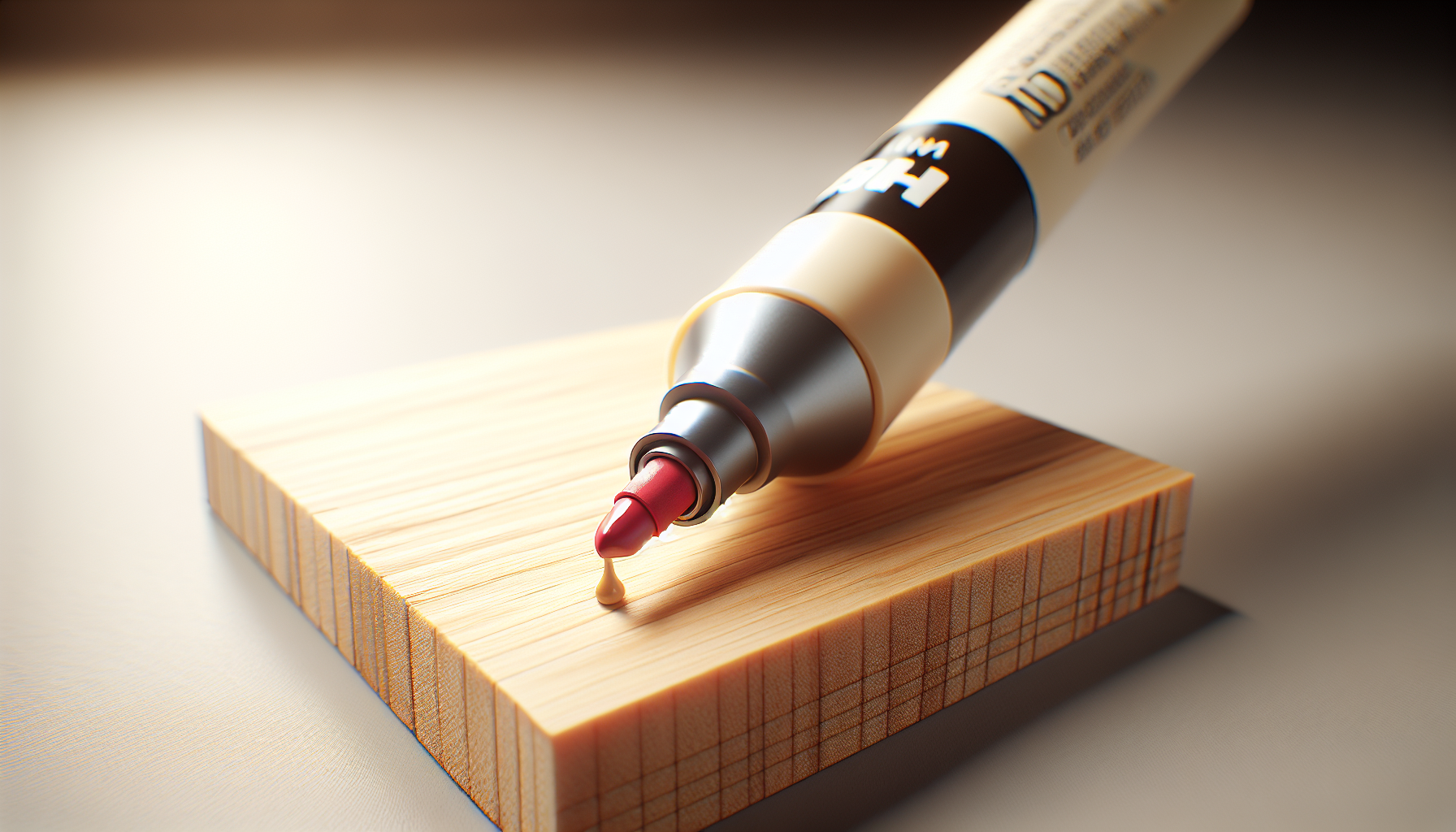
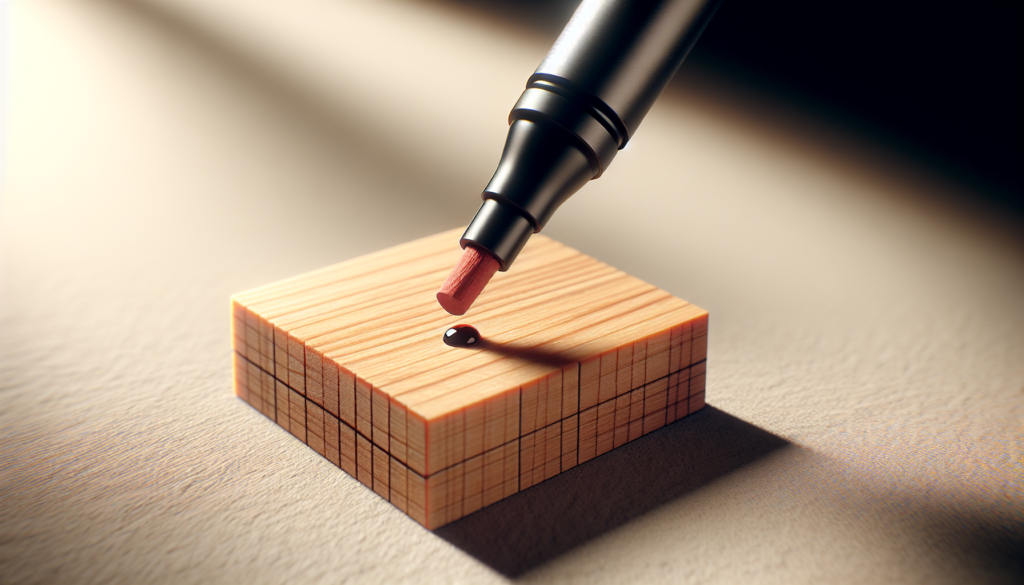
Raw wood is porous and accepts acrylic paint markers well because the paint can anchor into fibers. You will get vibrant, matte finishes on untreated wood. However, uneven absorption can cause feathering; sealing raw wood with a primer or light sanding sealer evens the surface.
Sealed or finished wood typically requires light sanding and, for high-use items, a compatible topcoat to protect marker work.
Ceramic and porcelain
Ceramic and porcelain are smooth and nonporous. Use markers labeled for ceramics or use oil/enamel markers for stronger adhesion. Clean the surface thoroughly. For items that will see frequent handling or washing, follow curing instructions: some markers require oven curing to become dish-safe.
You should test a small hidden area before committing to full decoration.
Plastic
Plastic substrates vary widely. Rigid plastics such as ABS and polycarbonate accept solvent-based and oil-based markers better than flexible plastics like polyethylene (PE) or polypropylene (PP), which resist many adhesives.
You can improve adhesion by lightly sanding with fine-grit sandpaper and cleaning with isopropyl alcohol. For challenging plastics, use a plastic-specific primer or select markers advertised as compatible with PP/PE.
Painted surfaces
Paint markers perform well on painted surfaces if the underlying paint is fully cured and stable. You must ensure there is no chalking or flaking. Lightly sanding and cleaning before marking will improve adhesion.
You should avoid applying markers over fresh paint until it has fully cured to prevent lifting and contamination.
Paper and cardboard
Paper and cardboard are ideal for quick sketches, signage, and packaging. Porous stocks accept water-based and acrylic markers readily, but heavy-bodied markers can bleed through thin papers.
You should use heavier stock or backers to prevent bleed-through, and test marker nibs on scrap before working on final pieces.
Canvas and fabric
Canvas and natural fabrics accept acrylic-based paint markers very well. For wearable or washable fabric, use fabric-specific markers and follow heat-setting instructions to lock pigment into fibers.
You should pre-wash fabrics to remove sizing and use a stabilizer or embroidery hoop to control stretching while you mark.
Leather
Leather is porous but often has finishes that resist paint. Use leather-specific or solvent-based markers and test on a non-visible area first. Clean and condition the leather, then finish with a leather sealer.
You should avoid applying excessive paint layers to maintain leather suppleness.
Stone and concrete
Rough stone and concrete accept paint markers but require heavier-bodied paints and multiple passes for opacity. Surface dust must be removed with a stiff brush and vacuum.
You should use markers that are weather-resistant and seal with a masonry or exterior-grade clear coat for longevity.
Chalkboards and whiteboards
Use markers formulated for chalkboard and glass; avoid permanent paint markers on removable boards. For custom chalkboard art, pourable or liquid chalk markers are best, then protect with a fixative if needed.
You should not use permanent paint markers on whiteboards, as they may not erase and will mark the surface irreversibly.
Mirrors
Mirrors are nonporous and need the same preparation as glass. Clean thoroughly, use a marker rated for glass, and test for adhesion. Seal on the painted side if possible to avoid chipping.
You should consider using the reverse side of mirrored glass for decorative work to protect your marks.
Compatibility chart: surfaces vs marker types and sealing
The following table summarizes recommended marker types and sealing options for common surfaces. Use this as a quick reference to choose the right marker chemistry and finish.
| Surface | Recommended Marker Type | Surface Prep | Recommended Sealer/Topcoat |
|---|---|---|---|
| Glass | Oil-based/enamel, glass paint markers | Clean with alcohol/acetone | Clear glass/ceramic sealer, oven cure if applicable |
| Metal | Oil-based/enamel, solvent-based | Degrease, sand lightly, prime | Rust-inhibiting enamel or clear lacquer |
| Raw wood | Acrylic paint markers | Sand, dust wipe, optional primer | Water-based polyurethane or clear acrylic |
| Sealed/painted wood | Acrylic or oil-based | Light sand, clean | Polyurethane or polycrylic |
| Ceramic/porcelain | Ceramic markers, enamel | Clean, degrease | Oven cure or ceramic clear coat |
| Rigid plastics | Solvent-based, oil-based | Sand, clean | Plastic-specific clear coat |
| Flexible plastics (PE/PP) | Plastic-specific markers/primers | Clean, use adhesion promoter | Flexible sealers or none (test required) |
| Paper/cardboard | Water-based, acrylic | Use backing, test for bleed | None required; fixatives for long-term |
| Canvas/fabric | Acrylic/fabric markers | Pre-wash, stretch | Heat-set and fabric sealant |
| Leather | Solvent-based, leather markers | Clean, condition, test | Leather finish or sealer |
| Stone/concrete | Solvent-based, acrylic | Brush, clean dust | Masonry sealer or exterior clear coat |
| Mirrors | Glass markers | Clean with alcohol | Reverse-side sealing or clear lacquer |
Surface preparation: why it matters
Preparation directly impacts how well your marker adheres, how smooth your lines will be, and how long the result lasts. Neglecting prep is the most common cause of adhesion failure.
You should always start with thorough cleaning, remove grease and dust, and sand glossy surfaces to create a mechanical key for the paint.
Cleaning best practices
Use isopropyl alcohol or a mild degreaser for most surfaces to remove oils and residues. For glass and metals, acetone can be effective but use sparingly and with proper ventilation.
You should avoid leaving residue from cleaning agents—wipe surfaces dry with lint-free cloths to ensure a clean substrate.
Sanding and scuffing
Sanding provides a microscopic anchor for paint on nonporous surfaces. Use fine-grit sandpaper (220–400) for light scuffing and 80–120 grit for removing heavier coatings.
You should follow sanding with thorough cleaning to remove dust before marking.
Primers and adhesion promoters
Primers fill pores and create chemically compatible layers between the substrate and the marker paint. Adhesion promoters are especially useful on difficult plastics and glossy paints.
You should select a primer suitable for both your substrate and the marker formula (e.g., an acrylic primer for acrylic markers).
Application techniques for best results
Your technique will determine line quality, opacity, and overall appearance. Practice strokes, pressure control, and layering to master marker use on different surfaces.
You should keep a scrap piece of the same material nearby to test color, opacity, and drying behavior before working on the final surface.
Layering and opacity
Many paint markers yield more opaque results with multiple thin layers rather than one heavy application. Allow each layer to dry to avoid smudging and to achieve a smoother finish.
You should avoid overloading the nib; instead, apply additional passes after drying to increase opacity.
Controlling bleed and feathering
On porous materials, bleed is a common issue. You can minimize it by using sealers, priming the substrate, or testing nib size and marker brand for less capillary spread.
You should also use a restraint technique: outline with a fine tip then fill with a broader tip to keep edges crisp.
Working in sections
For larger surfaces like murals on wood or metal signs, work in manageable sections to maintain consistent coverage and drying times. This helps you avoid noticeable overlap lines.
You should coordinate drying and layering so adjacent sections blend smoothly.
Drying, curing, and sealing
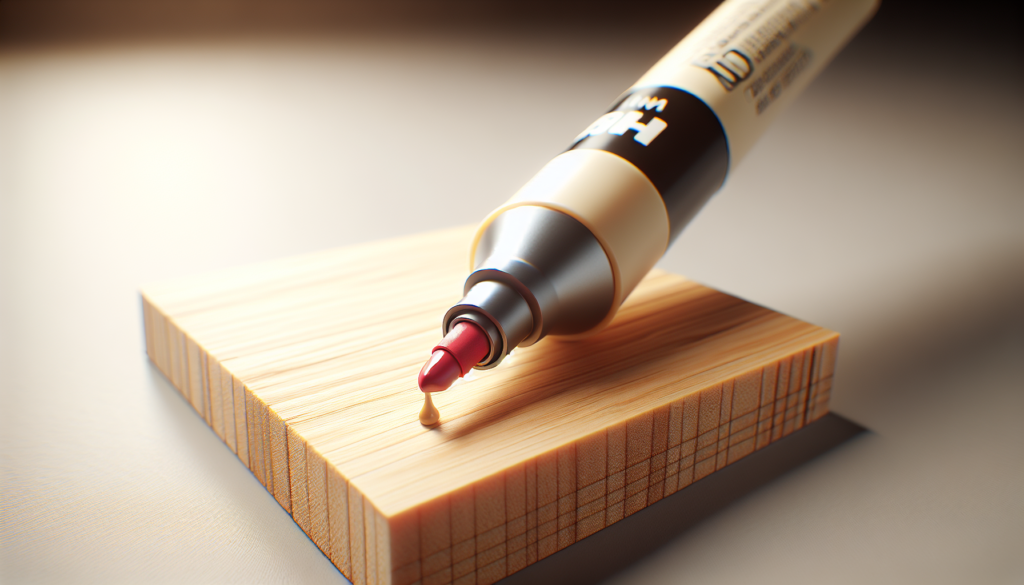
Drying time refers to when the marker feels dry to touch; curing is the chemical process that provides full durability. You must allow markers to fully cure if you expect permanent performance.
You should always follow manufacturer recommendations for curing times and temperatures, especially if oven curing is required for ceramics.
When to seal
Seal if the surface will experience wear, moisture, UV exposure, or regular handling. Most outdoor applications, drinkware, and frequently touched items require a topcoat.
You should choose a sealer compatible with the marker and substrate—e.g., use polyurethane over acrylic paints and a solvent-based clear coat over oil-based markers.
Types of sealers
- Water-based polyurethane or polycrylic: good for indoor wood, non-yellowing.
- Solvent-based polyurethane: durable, best for heavy-use or outdoor wood.
- Clear lacquer: quick-drying, durable on metal and some plastics.
- Ceramic/glass-specific sealers: essential for dishwashing durability when recommended.
- Masonry sealers: for concrete and stone.
You should test the sealer on a small area to check for color change, bubbling, or incompatibility.
Troubleshooting common problems
Even with preparation, issues can arise. The following solutions address frequent problems you will encounter.
Marker bleeding or feathering
- Cause: Highly porous surface or excess paint application.
- Fix: Use a primer or sealer, switch to a finer tip, or apply thinner layers and allow curing between passes.
You should also consider sealing the substrate with a shellac or sizing to reduce porosity.
Poor adhesion or flaking
- Cause: Surface contamination or incompatible chemistry.
- Fix: Clean thoroughly, sand to create a mechanical key, and use a primer. Choose a marker formula compatible with the substrate or apply an adhesion promoter.
You should avoid relying solely on the marker for demanding outdoor or industrial applications.
Clogging, dry tips, or inconsistent flow
- Cause: Marker left uncapped, dried solvent, or contamination.
- Fix: Store markers horizontally or nib-down as recommended, recap immediately, and occasionally shake/prime the marker following manufacturer instructions.
You should not use solvents to re-liquefy markers unless the manufacturer explicitly allows it.
Smudging after apparent drying
- Cause: Surface contamination or only surface drying (not cured).
- Fix: Allow full curing time, avoid touching in the interim, and consider heat or oven curing where applicable.
You should perform a scuff test on a hidden area to confirm cure before handling heavily.
Safety considerations
Many paint marker formulas contain volatile organic compounds (VOCs), solvents, and pigments that require precautions. You should prioritize ventilation and personal protective equipment.
Wear nitrile gloves to protect skin, use eye protection if spraying sealants, and work in well-ventilated spaces. For solvent-heavy markers or aerosol sealers, use a respirator rated for organic vapors.
Disposal and storage
Store markers at recommended temperatures and keep caps secure to avoid drying. Dispose of empty or unusable markers according to local hazardous waste regulations if solvents are present.
You should not puncture or incinerate markers.
Environmental and longevity considerations
If your project will be outdoors or exposed to UV and moisture, choose markers and sealers rated for exterior use and UV stability. Pigments and binders respond differently to sunlight; lighter colors may fade less, and some formulations include UV inhibitors.
You should also consider the substrate’s movement—flexible surfaces require flexible paints to avoid cracking.
How to test before committing
Testing is essential. Create a test piece that uses the exact combination of surface, marker, primer, and sealer you plan to use. Test for adhesion, curing, flexibility, and resistance to the elements it will encounter (water, handling, rubbing).
You should document the combinations that work for future reference.
Quick reference: choosing a marker for your project
- For glass and ceramics: look for glass/ceramic markers or oil-based enamel markers and follow curing recommendations.
- For metals: use enamel or solvent-based markers with light sanding and primer for heavy-duty use.
- For unsealed wood and canvas: acrylic markers provide good adhesion and vibrant color.
- For plastics: test first; solvent-based and plastic-specific markers work best for rigid plastics.
- For fabrics: fabric or acrylic textile markers with heat setting provide wash resistance.
- For outdoor masonry: choose weather-resistant, solvent-based markers and masonry sealers.
You should always match the marker chemistry to the substrate and end-use environment.
FAQ
Can you use paint markers on drinkware?
You can use markers designed for ceramics on drinkware, but only if the markers and curing process are explicitly rated as food-safe. Many paint markers are not food-safe; if the area will contact lips or be washed in a dishwasher, choose products with clear manufacturer guidance.
You should err on the side of caution and reserve marked drinkware for decorative uses unless labeled safe.
Do paint markers work on polypropylene and polyethylene?
Those flexible polyolefins are notoriously resistant. Some specialty markers and primers are formulated for PP/PE, but you should always test and often use an adhesion promoter.
You should expect limited success without the correct primer.
Will paint marker designs hold up outdoors?
They can, if you choose weatherproof marker formulations and apply appropriate sealants. UV-resistant pigments and a durable clear coat will extend lifespan, but exposure to sun, rain, and abrasion will eventually degrade most marker finishes.
You should plan for periodic maintenance or reapplication for long-term outdoor projects.
How long do paint markers take to cure?
Cure times vary widely: from 24 hours for many acrylics to several days or oven curing for ceramics. Environmental conditions (temperature, humidity) affect cure times, so allow extra time in cool or humid conditions.
You should consult product instructions for specific timelines.
Final checklist before you start
- Identify the substrate and its porosity.
- Select a marker chemistry compatible with the surface.
- Clean and prepare the surface (clean, sand, prime as needed).
- Test on scrap material for adhesion, opacity, and curing.
- Work in thin layers and allow proper drying/curing.
- Seal when required for durability or exposure.
- Use proper safety measures (ventilation, gloves, respirator for solvents).
You should follow this checklist to reduce failures and ensure your marker work looks professional and lasts.
Conclusion
Choosing the best surface for paint markers comes down to matching the marker chemistry with the substrate and preparing that surface properly. You will achieve the most reliable results on surfaces like glass (with glass markers), metal (with enamel markers), and porous substrates such as wood and canvas (with acrylic markers), provided you prepare, test, and seal as required.
You should approach each project with testing and preparation so your finished piece meets your expectations for appearance and durability.