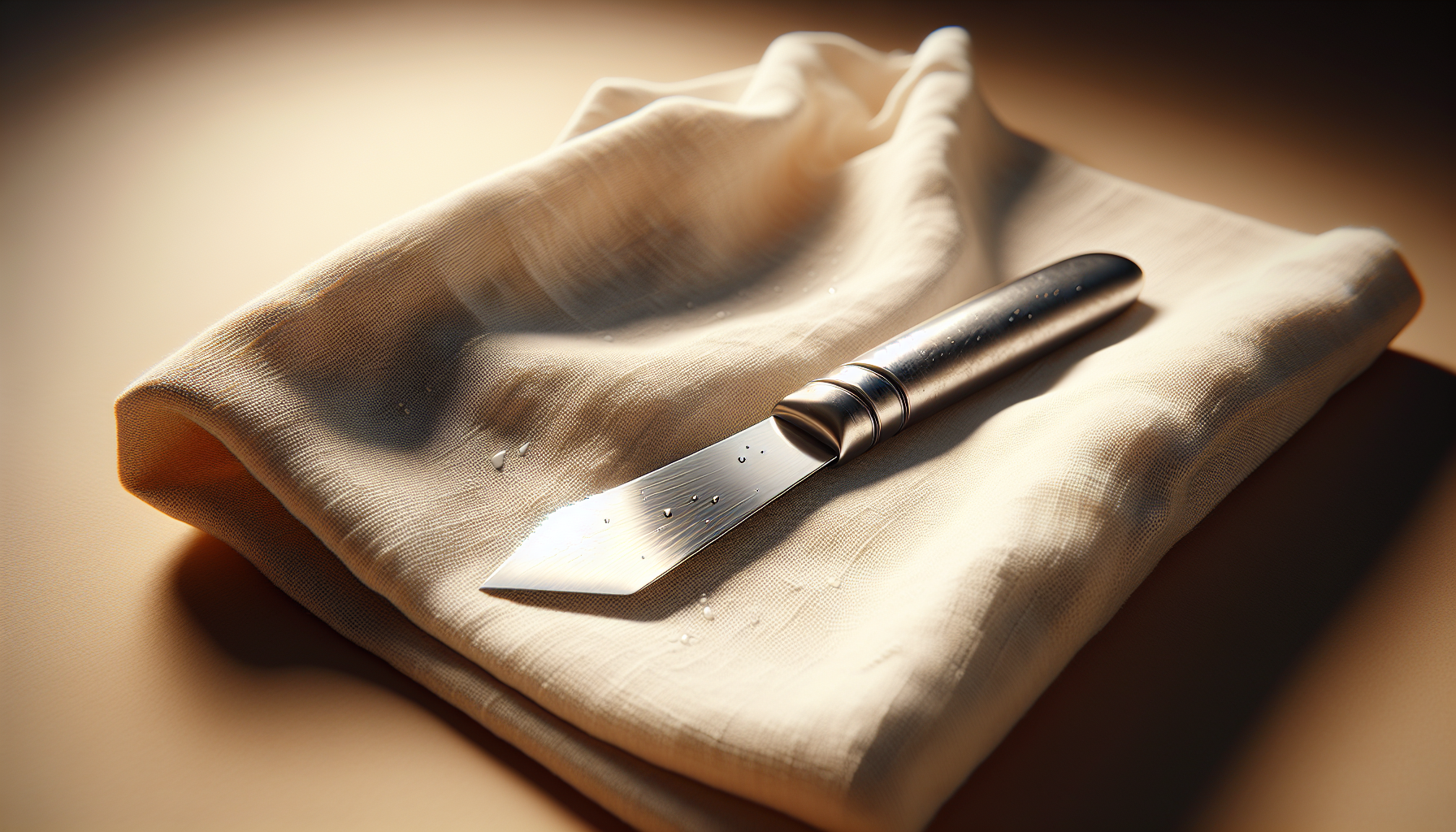
? Do you want to keep your palette knives performing like new so you can focus on creating rather than repairing?
How To Clean And Maintain Your Palette Knives Properly
You will learn practical, professional techniques for cleaning, restoring, and storing palette knives so they last longer and remain safe to use. This guide covers materials, supplies, step-by-step processes, troubleshooting, and safety practices so you can care for tools used with acrylics, oils, water-based media, wax, adhesives, and more.
Why Proper Cleaning and Maintenance Matters
When you look after your palette knives, you reduce the risk of contamination between colors and avoid damaging canvases or other surfaces. Proper maintenance also extends tool life and preserves edge geometry and finish, saving you money and time while improving the quality of your work.
Identify Your Palette Knife Materials
Different knives are made from different metals and handle materials, and each combination demands specific care. You should know what your knives are made of so you can choose solvents, mechanical cleaning methods, and storage that will not damage them.
Blade Materials and Properties
Blades are commonly stainless steel, carbon steel, or sometimes aluminum or coated steel. Stainless steel resists rust and tolerates aggressive cleaning better, while carbon steel offers flexibility and a lighter feel but needs more protection against moisture.
Handle Materials and Care
Handles are typically wood, plastic, or metal; wood requires periodic oiling or sealing, plastic is low-maintenance but can be damaged by some solvents, and metal handles may need rust prevention. You should avoid prolonged soaking of wooden handles to prevent swelling or cracking.
Tools and Supplies You Need
Having the right supplies ensures you clean effectively without harming the knife. The following table lists typical items and their purpose so you can assemble a cleaning kit tailored to your workflow.
| Item | Purpose |
|---|---|
| Mild dish soap | Remove water-soluble paint and dirt |
| Soft rags or shop towels | Wipe blades and handles without scratching |
| Old toothbrush or soft-bristle brush | Agitate paint in grooves and around handles |
| Plastic or wooden scrapers | Remove dried paint without metal-on-metal contact |
| Brass or bronze wool | Mechanical cleaning for rust and dried paint on stainless or coated blades |
| Fine-grit sandpaper (400–1200) | Polishing and removing minor nicks |
| Mineral spirits or odorless solvent (Gamsol) | Dissolve oil paints safely (ventilation required) |
| Citrus-based cleaner | Less-toxic solvent alternative for oils and adhesives |
| Turpentine or solvent blend | For heavy oil paint removal (use only with proper PPE) |
| Vinegar or citric acid | Mild acidic rust removal |
| Protective gloves and eye protection | Safety when using solvents and abrasive cleaning |
| Linseed oil, tung oil, or mineral oil | Lubricate and protect blades and wooden handles |
| Plastic storage tube or rack | Keep blades separated and prevent edge damage |
| Silica gel packets or desiccant box | Prevent rust in humid environments |
Cleaning Methods by Paint Type
Different media require different cleaning approaches. You will use water and soap for water-based paints, solvents for oils and waxes, heat for some encaustic work, and mechanical action for stubborn dried material.
Acrylic Paint
Acrylic is water-based when wet and becomes water-resistant when dry. You should remove acrylic paint immediately after use by wiping the blade with a damp cloth and mild soap. If the paint has cured, soften it with a warm water soak or use a plastic scraper and repeated wetting to lift layers; avoid aggressive solvents on some low-quality acrylics that may be water-resistant but solvable with ammonia-based cleaners.
Step-by-step:
- Wipe excess paint with a paper towel or rag.
- Rinse under warm water while gently scrubbing with a soft brush.
- Use mild dish soap to remove remaining residue.
- For dried acrylic, soak the blade in warm soapy water for 15–30 minutes and use a plastic scraper and brush to remove softened paint.
Oil Paint
Oil paint requires solvents for effective removal, especially if you want to avoid long soak times. You should always use solvents in a well-ventilated area and with gloves. Mineral spirits and odorless solvents are common choices; traditional turpentine will remove stubborn paints but is more toxic and flammable.
Step-by-step:
- Wipe off as much wet paint as possible with a cloth.
- Pour a small amount of solvent into a container and dip a rag to wipe the blade clean.
- Use a soft-bristle brush to get paint from the joint area near the handle.
- For hardened oil paint, a longer soak in solvent or application of a citrus-based cleaner may be necessary, followed by mechanical removal with brass wool or fine sandpaper.
Watercolor and Gouache
Watercolor and gouache are the simplest to clean: soap and water typically remove them easily. You should rinse promptly to avoid pigment staining. Because many watercolor pigments are staining, you may need multiple rinses.
Step-by-step:
- Rinse blade under warm water immediately after use.
- Apply mild soap and rub with a soft cloth to remove pigment.
- Dry thoroughly to prevent spotting or corrosion.
Encaustic and Wax-Based Media
Encaustic painting (pigmented wax) and similar wax media require heat or solvents that dissolve wax, such as mineral spirits or naphtha. You should avoid dipping wooden handles into hot wax or solvents and work carefully because wax residues can attract dust and create build-up.
Step-by-step:
- Wipe off excess hot wax with a paper towel while it is still warm.
- Use a heat gun or place the blade briefly near a heat source to soften hardened wax, then wipe.
- For stubborn residues, apply a solvent recommended for wax (e.g., aged mineral spirits) and wipe with a cloth.
- Clean with soap and water afterwards where possible to remove solvent traces and then dry.
Oil Pastels and Soft Media
Oil pastels are greasy and do not dissolve in water; use mineral spirits or citrus cleaners to break them down. You should take care to remove oily residues completely to avoid transferring pastels to other work.
Step-by-step:
- Wipe off bulk with a dry rag.
- Use a solvent-dampened cloth to dissolve remaining residue.
- Once clean, wash with mild soap if the handle allows, and dry thoroughly.
Mixed Media, Adhesives, and Resins
Adhesives, epoxies, and uncured resins require immediate attention and often specialized solvents. If resin cures on the blade, removal may be difficult or impossible without mechanical abrasion that will alter the blade surface.
Guidance:
- Clean uncured adhesives with the manufacturer-recommended solvent while wearing appropriate PPE and following disposal rules.
- For cured epoxies, use mechanical removal techniques only and be prepared to accept some damage to the blade.
- Avoid pouring solvents down drains; collect waste for proper disposal according to local regulations.
Step-by-Step Cleaning Workflow
This universal workflow will help you set a cleaning routine that adapts depending on paint type and how long it has been since use.
- Remove large deposits of wet paint using a paper towel or rag while wearing gloves.
- For water-based media, rinse immediately in warm water and use soap. For oil-based, use a solvent-dampened rag in a ventilated area.
- Clean around the blade-handle junction with a soft brush to prevent paint buildup in crevices.
- Dry the blade thoroughly with a lint-free cloth to prevent water spots and rust.
- Apply a thin protective coat of light oil to carbon steel blades or to tool storage areas to inhibit corrosion.
- Store blades separated from each other to avoid edges rubbing and accumulating paint from adjacent tools.
You should approach cleaning systematically to remove paint without damaging blade geometry or finishes.
Removing Dried or Hardened Paint
Hardened paint will require a combination of chemical softening and mechanical removal. Use the least aggressive method that will work to avoid damaging the blade.
Methods:
- Soaking: Warm, soapy water for acrylics; mineral spirits for oil-based paints. Soaks can last from 15 minutes to several hours depending on paint age and thickness.
- Heat: Apply a heat gun briefly to soften encaustic wax or thick oil layers, then wipe.
- Mechanical: Use plastic scrapers, brass wool, or fine steel wool cautiously on stainless steel blades. Avoid coarse steel wool on stainless as it can scratch and encourage rust.
- Chemical strippers: Use only when other methods fail, and make sure they are safe for the blade finish and handle material.
Salvaging strategy:
- Start with a short soak and gentle scraping.
- If that fails, step up to solvent or longer soak.
- Reserve abrasive or acidic treatments as a last resort.
Rust Prevention and Removal
Rust is a common problem, particularly in humid environments or when tools are stored wet. You should dry blades immediately, apply protective coatings, and use desiccants in storage to prevent oxidation.
Rust removal methods:
- Light surface rust: Rub with vinegar or lemon juice and a soft cloth, then rinse and dry. Baking soda paste can help lift surface oxidation.
- Moderate rust: Soak in white vinegar for 30–60 minutes, scrub with brass wool, then neutralize with baking soda and water.
- Heavy rust: Use a commercial rust remover or a mild acidic solution, followed by thorough rinsing, drying, and oiling.
After removing rust:
- Rinse and neutralize any acidic residues to prevent continued corrosion.
- Dry carefully and apply a light oil film to blade and ferrule.
- Consider polishing with fine sandpaper (800–1200 grit) to smooth minor pits, then buff.
Precautions:
- Avoid harsh abrasives on stainless steel that can break the passive oxide layer.
- Don’t soak wooden handles in acidic solutions.
Handle Maintenance
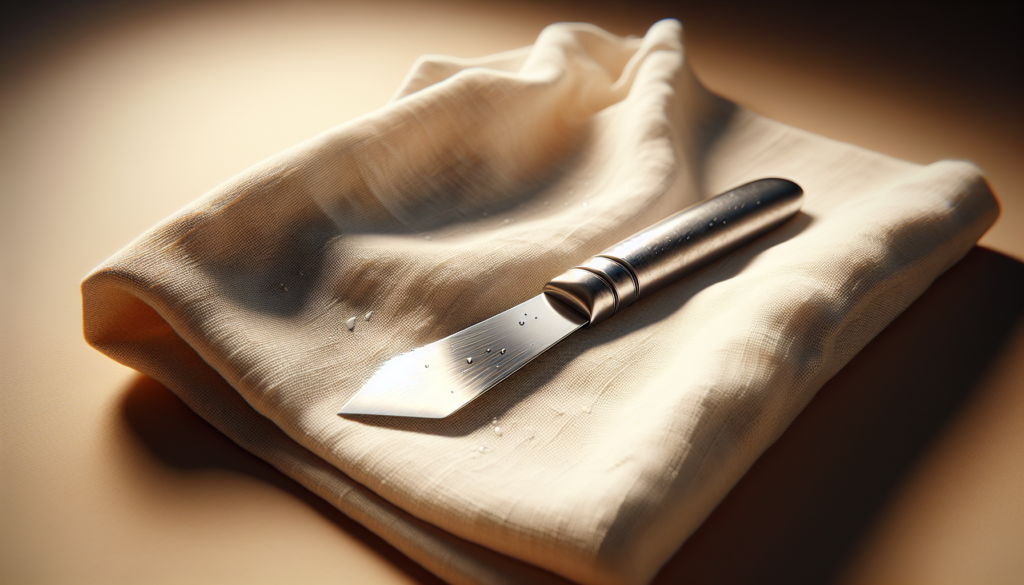
The handle is where you hold your tool; keeping it comfortable and secure improves control and safety.
Wood handles:
- Avoid prolonged immersion in water; wipe rather than soak.
- Periodically sand lightly with fine-grit paper to remove grime and then apply a thin coat of linseed or mineral oil to hydrate and seal the wood.
- If paint adheres to the handle, remove it carefully with a mild solvent applied to a cloth—do not soak.
Plastic handles:
- Wipe down with soap and water; use solvent only sparingly as some plastics can degrade.
- Inspect for cracking or brittleness and replace handles if they become unsafe.
Metal handles:
- Clean with a solvent-safe wipe; remove rust or corrosion and apply a thin oil.
- Tighten any screws or ferrules; if rivets become loose, consider professional repair or replacement.
Sharpening and Reforming Blades
While palette knives are not typically sharpened as knives are, you can correct nicks and bends that affect performance.
Straightening bent blades:
- Use padded pliers or a soft-jawed vice to gently bend the blade back into shape.
- Work slowly and apply small amounts of pressure to avoid cracking or creating stress points.
Removing nicks:
- File lightly with a fine metal file or use fine-grit sandpaper to remove burrs.
- After filing, polish with 800–1200 grit sandpaper and buff with a soft cloth to restore smoothness.
Maintain edge geometry:
- Keep the blade profile consistent; over-filing can change how the knife applies paint.
- If the blade is severely compromised, replacement may be the best option rather than repeated repairs.
Storage and Organization
Correct storage prevents damage and accelerates access during sessions. You should keep knives dry, separated, and protected from chemical exposure.
Storage recommendations table:
| Storage Option | Advantages | Notes |
|---|---|---|
| Individual sleeves or blade guards | Prevents edge marring and paint transfer | Use soft, non-abrasive material |
| Horizontal rack with separated slots | Keeps blades accessible and organized | Ensure rack is clean and dry |
| Magnetic strip (for stainless) | Easy access and space-saving | Avoid for carbon steel unless coated and dried |
| Airtight toolbox with desiccant | Prevents rust in humid environments | Place silica gel packets inside |
| Pegboard with hooks | Good for quick access | Ensure hooks are capped to protect blades |
Make it a habit to dry and oil blades before placing them into storage. Store in a stable environment away from extreme heat and humidity changes.
Maintenance Schedule and Checklist
Regular maintenance is faster and less costly than major restorations. You should incorporate quick checks into your routine after every session and deeper maintenance at scheduled intervals.
Maintenance schedule table:
| Frequency | Tasks |
|---|---|
| After every use | Wipe off paint, rinse (if water-based), dry blades, place knives in dry area |
| Weekly | Inspect for dried paint, clean handle junctions, oil carbon steel blades lightly |
| Monthly | Deep clean by soaking in appropriate solvent (if needed), remove minor rust, polish blades |
| Quarterly | Inspect handles for wear, tighten ferrules, replace worn knife if blade geometry is compromised |
| Annually | Full maintenance: rust removal, sanding/polishing, treat wooden handles with oil or finish |
Checklist:
- Remove visible paint and wipe blades.
- Check for looseness at handles and tighten if possible.
- Inspect for rust and treat immediately.
- Apply protective oil to carbon steel blades.
- Store with desiccant if you live in a humid region.
Safety and Environmental Considerations
You should prioritize safety when using solvents and handling sharp or hot tools. Environmental responsibility helps reduce hazardous waste and protects your workspace.
Safety tips:
- Always work in a well-ventilated area when using organic solvents. Use a respirator rated for organic vapors if ventilation is inadequate.
- Wear nitrile gloves and eye protection when handling solvents, rust removers, or heated blades.
- Keep flammable solvents away from open flames and store them in proper containers.
Environmental considerations:
- Collect solvent waste in sealed containers and dispose of them at hazardous waste facilities rather than pouring down drains.
- Prefer low-toxicity cleaners (citrus-based, odorless mineral spirits) when feasible.
- Reuse solvent in a closed container until it becomes saturated, then transfer to proper disposal.
Troubleshooting Common Problems
You will encounter typical issues throughout the tool’s life. Use these focused fixes to address problems quickly.
Problem: Paint keeps flaking off the blade
- Cause: Dried paint left to build up and cracked.
- Fix: Soften with solvent or warm soapy water (depending on medium) and remove layers gently with a plastic scraper.
Problem: Blade has brown rust spots
- Cause: Moisture left on a carbon steel blade or storage in a humid area.
- Fix: Remove light rust with vinegar or citric acid, scrub gently, then neutralize and apply oil.
Problem: Handle is sticky from paint or solvents
- Cause: Paint residue or plasticizer migration from solvents.
- Fix: Clean with mild soap and water or appropriate solvent on a cloth; for wooden handles sand lightly and refinish with oil.
Problem: Blade edge is bent or has nicks
- Cause: Accident, improper storage, or frequent scraping on abrasive surfaces.
- Fix: Straighten gently with pliers and remove burrs with fine sandpaper; replace knife if structural integrity is compromised.
Problem: Blade pitting after rust removal
- Cause: Severe corrosion or abrasive cleaning.
- Fix: Minor pits can be polished out; deep pitting may weaken the blade and suggest replacement.
Frequently Asked Questions
Answering practical questions will help you make informed choices for daily maintenance.
Q: Can I put palette knives in the dishwasher? A: No. Dishwashers can trap moisture, encourage rust on carbon steel, and damage wooden handles. Hand-cleaning preserves finish and control.
Q: What solvent is safest for both oil paint and handles? A: Odorless mineral spirits (OMS) or citrus-based cleaners are commonly used because they are effective on oil paint and less harsh on handle finishes. Test on an inconspicuous area first.
Q: Can you use acetone to remove paint from palette knives? A: Acetone removes many substances quickly but is harsh and can damage some handle finishes and plastics. Use sparingly and with gloves, and avoid prolonged contact.
Q: How long can you soak a palette knife in solvent? A: Avoid prolonged soaking of wooden handles; limit blade-only soaks to a few hours where possible. Long soaks can degrade adhesives and finishes.
Q: Should you oil stainless steel palette knives? A: Stainless steel resists rust, but a very light oil film can still help prevent spotting and maintain a smooth surface—especially if you live in a humid climate.
Final Tips and Best Practices
Be proactive: remove paint promptly, choose the least aggressive solvent that works, and treat blades and handles as precision tools rather than disposable implements. Professional care consists of consistent small actions: wipe after use, dry, and oil when necessary. That approach will keep your knives reliable and ready for every session.
A few practical reminders:
- Create a small cleaning station with labeled containers for solvents, a drying rack, and a dedicated set of rags to avoid cross-contamination.
- Keep one “work set” for everyday use and a spare set in pristine condition to swap in during deep-clean cycles.
- Replace heavily pitted or warped blades—continued use can affect the finish of your paintings and produce uneven application.
If you maintain a steady routine, your palette knives will remain precise, clean, and safe, enabling better control and longer service life.